

 Thai
Thai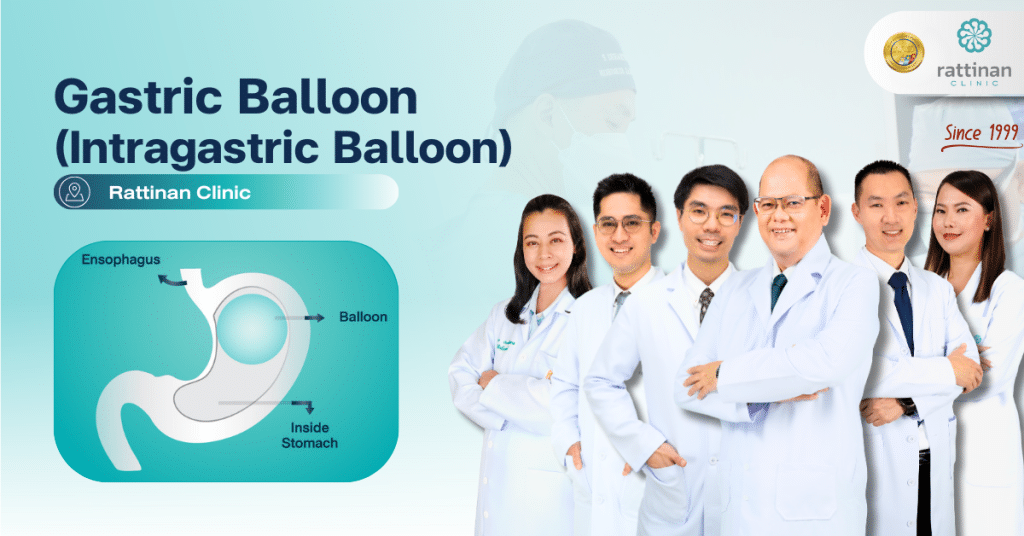
If you’re looking for a modern weight loss option that doesn’t involve surgery, the gastric balloon in Bangkok might be just what you need.
This safe and affordable procedure helps curb appetite and supports sustainable weight control, making it an excellent choice for those unable or unwilling to undergo surgery.
While it offers many benefits, one limitation is that its effects don’t last long—but don’t worry, at Rattinan Medical Center, advanced technology and a highly skilled medical team ensure safe care and satisfying results tailored to your needs.
So let’s dive deeper into this and other key aspects of the gastric balloon in this article.
What Is a Gastric Balloon?
Gastric Balloon (Intragastric Balloon) is a non-invasive method involves placing a silicone balloon into the stomach through endoscopy.
Once filled with saline or a special solution, the balloon reduces stomach capacity, helping you feel full faster and eat smaller portions.
There are different types of gastric balloons to choose from, with durations ranging from 4 to 12 months, depending on the specific type. This flexibility means you can select an option that best aligns with your weight loss goals and lifestyle needs.
Finding the right gastric balloon and ensuring it suits your unique needs is key to a successful outcome. That’s why consulting a reputable clinic with experienced surgeons is so important. Choosing a team you trust can make all the difference in both safety and results.
At Rattinan Medical Center, our expert surgeons work closely with you to assess your health and recommend the most suitable balloon type.
With a personalized treatment plan tailored to your goals, we’re here to help you take the first step toward long-term weight loss success.

Types of Gastric Balloons Available in Bangkok
In Bangkok, there are many types of balloons available, often at lower costs, but not all of them meet the same safety and efficacy standards.
Non-FDA-approved balloons may carry a higher risk of complications, which can impact your health and results.
At Rattinan Medical Center, we take your safety seriously. That’s why we only use FDA-approved gastric balloons, including Spatz, Orbera, and Allurion.
These balloons have undergone rigorous testing to ensure they meet the highest standards for safety and effectiveness. When it comes to your health, you deserve nothing less than the best.
Here’s a closer look at the types of gastric balloons we offer and their unique features to suit your individual needs:
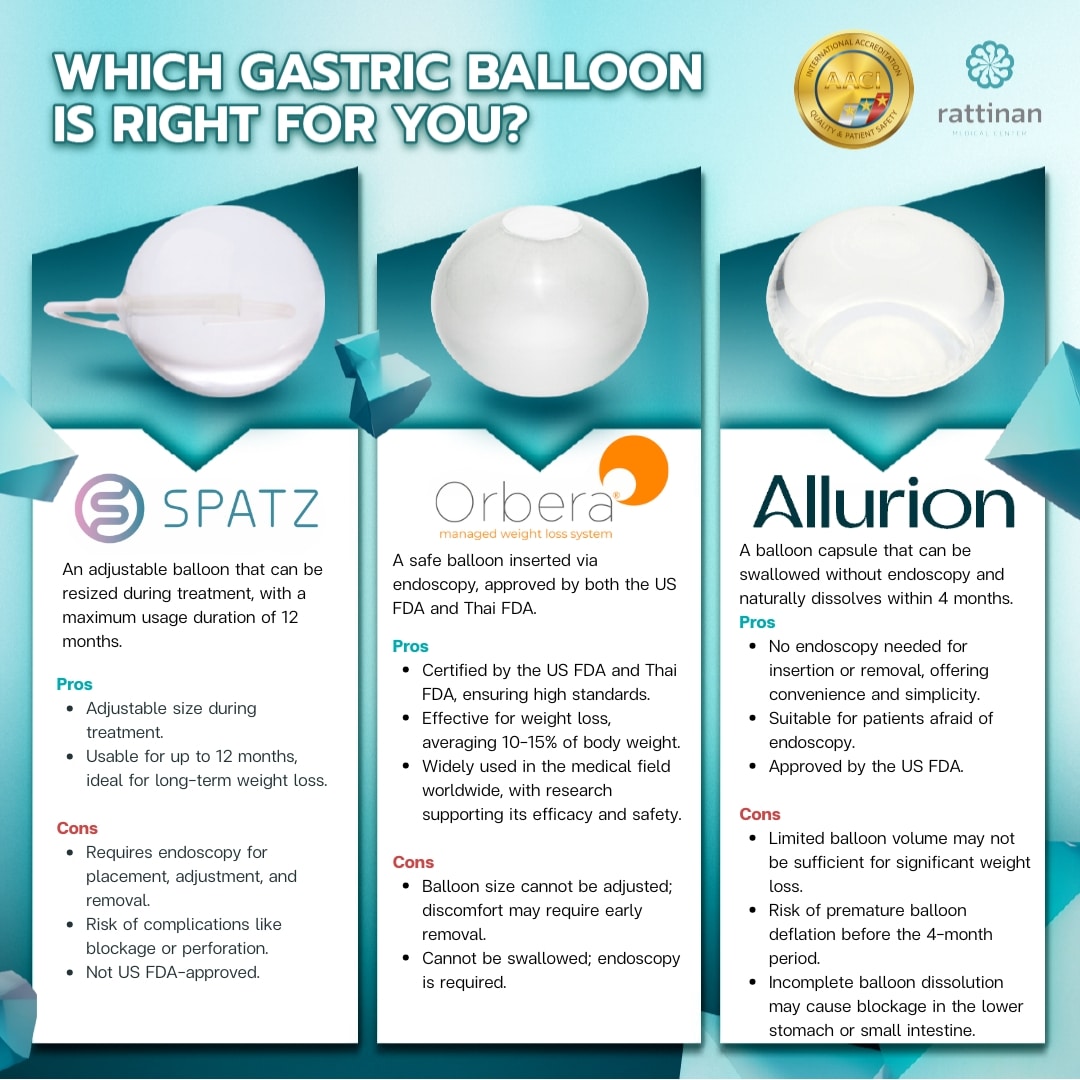
Spatz Balloon: Adjustable for Extended Weight Loss
- Features
Spatz is the only adjustable gastric balloon, allowing its size to be modified during the treatment. This flexibility helps maximize weight loss results. - Duration
Can remain in the stomach for up to 12 months, the longest among all gastric balloon types. - Who It’s For
Ideal for patients who need a long-term solution or aim to lose significant weight. - Benefits
- Adjustable volume to enhance effectiveness over time.
- Suitable for progressive weight loss goals.
- Considerations
Requires endoscopy for both placement and removal.
2. Orbera Balloon: The Global Gold Standard
- Features
Orbera is an FDA-approved gastric balloon recognized worldwide for its safety and effectiveness. - Duration
Designed to stay in the stomach for 12 months, making it a widely trusted choice for moderate weight loss. - Who It’s For
Ideal for those looking to lose 10-15% of their body weight while adopting healthier eating habits. - Benefits
- Clinically proven results with millions of successful cases globally.
- Excellent choice for patients seeking a balance of safety and effectiveness.
- Considerations
Requires endoscopy for placement and removal.
3. Allurion Balloon: Swallowable, No Endoscopy Required
- Features
Allurion is a swallowable gastric balloon that does not require endoscopy or anesthesia, making the procedure quick and convenient. - Duration
Dissolves naturally in about 4 months and passes out of the body without requiring removal. - Who It’s For
Perfect for individuals who want a short-term, non-invasive solution with minimal downtime. - Benefits
- No invasive procedures involved.
- Suitable for patients with busy lifestyles who prefer simplicity.
- Considerations
Slightly shorter duration than other balloons, making it ideal for moderate weight loss.
Which Gastric Balloon Is Right for You?
The choice of a gastric balloon depends on your weight loss goals, lifestyle, and medical history. At Rattinan Medical Center, our experienced surgeons carefully assess each patient to recommend the most suitable option, ensuring a safe and effective treatment tailored to your needs.
Why Choose Orbera
at Rattinan Medical Center?
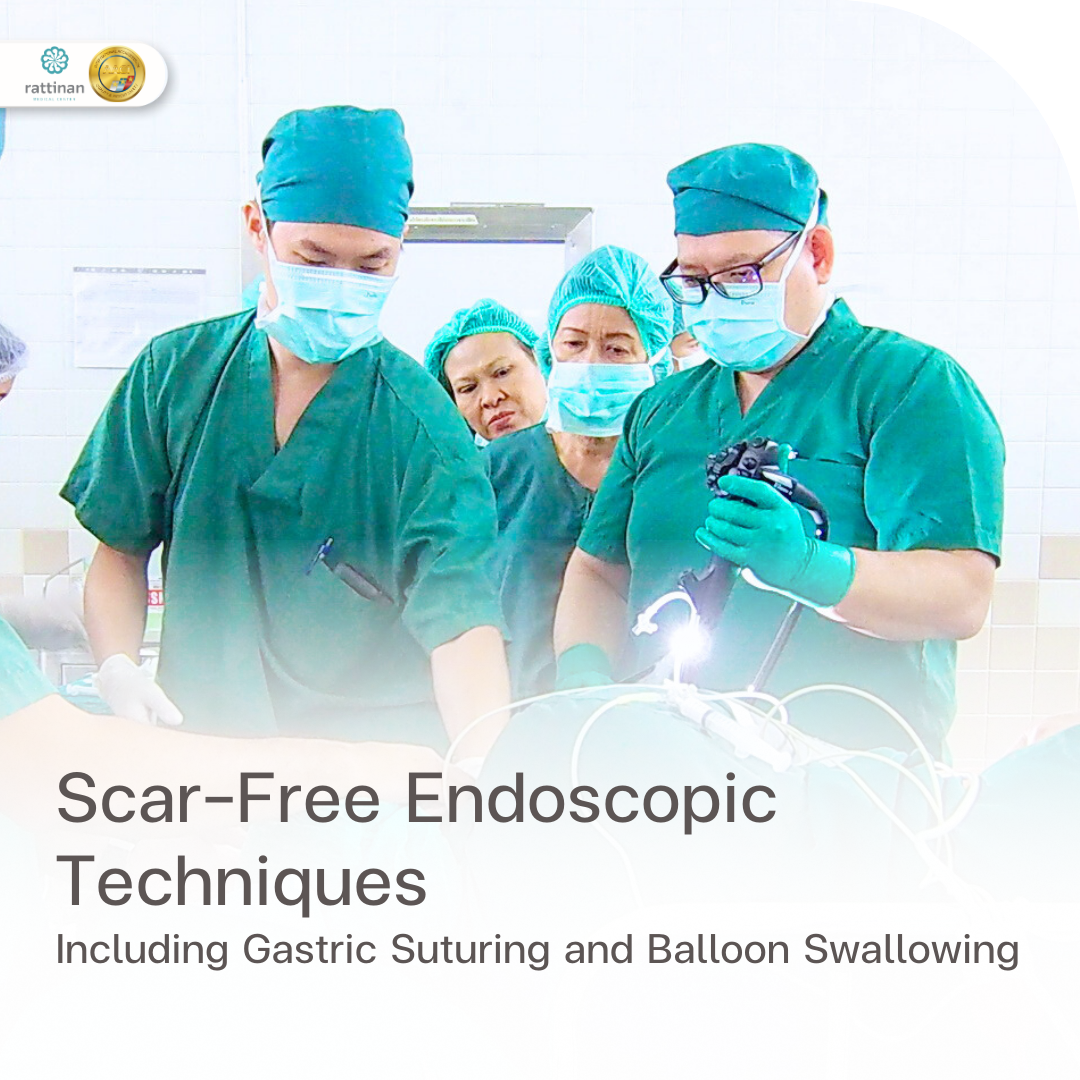
At Rattinan Medical Center, the placement of the Orbera gastric balloon is performed by expert surgeons, including Dr. Panot Yim Charoen, using state-of-the-art endoscopic equipment that meets international standards.
Patients benefit from comprehensive, personalized care throughout the process:
- Thorough Health Assessment: Before the procedure, a detailed evaluation ensures that Orbera is the right fit for the patient’s weight loss goals and health condition.
- Precise Balloon Placement: The balloon is inserted with high precision using advanced endoscopic technology for safety and efficiency.
- Post-Treatment Care: Patients receive close follow-up, dietary guidance, and lifestyle support to help maintain and enhance their weight loss results.
With a commitment to safety, innovation, and effective outcomes, Rattinan Medical Center ensures a seamless and successful weight loss journey with Orbera, setting a benchmark for quality care in Bangkok.
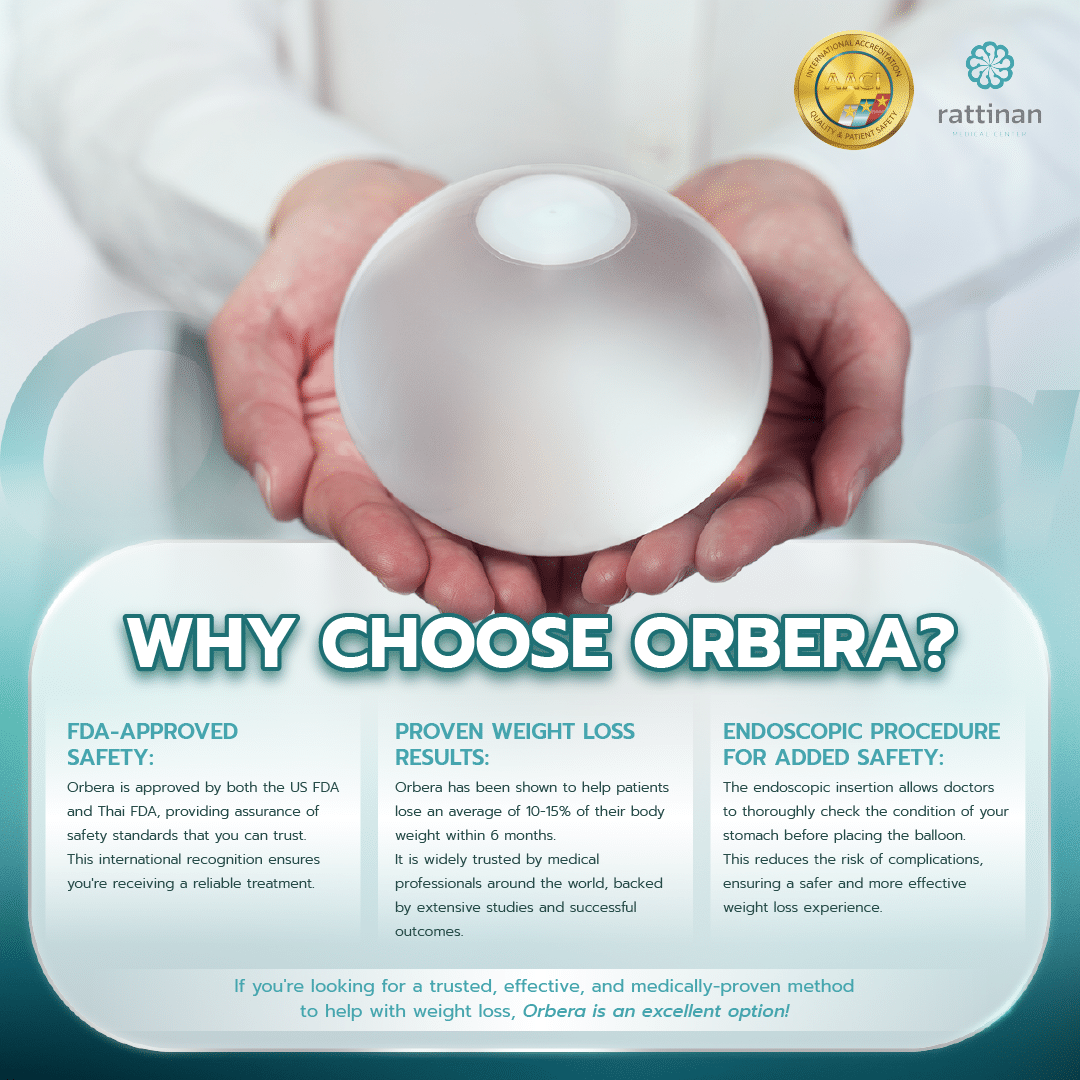
Orbera is not just a weight loss aid—it’s the beginning of a long-term journey toward better health. For those seeking a safe and natural way to achieve sustainable weight loss, Orbera is the ideal solution. It empowers patients to adopt healthier eating habits, manage portions effectively, and take the first step toward a healthier and more confident life.
Are You a Suitable Candidate for a Gastric Balloon in Bangkok?
A gastric balloon (Intragastric Balloon) is an excellent option for individuals struggling with excess weight or obesity who seek an effective, non-surgical solution.
However, this treatment is not suitable for everyone and must be undertaken under the guidance of a qualified medical professional.
Ideal candidates for a gastric balloon typically meet the following criteria:
1. BMI Between 27–35
A gastric balloon is suitable for individuals with a BMI in the overweight to moderate obesity range. It’s a perfect option for those who are not yet candidates for surgical weight loss procedures like Gastric Bypass or Sleeve Gastrectomy.
2. Unsuccessful Weight Loss Attempts
This procedure is ideal for individuals who have tried traditional weight loss methods—such as dieting, exercise, or weight loss medications—without achieving their desired results. The gastric balloon provides a powerful tool for continuous weight reduction.
3. Those Who Wish to Avoid Surgery
For individuals seeking a safe, minimally invasive alternative to surgical interventions, the gastric balloon is an excellent choice. It requires no incisions or permanent alterations to the body.
4. Individuals Without Severe Health Conditions
Candidates must generally be in good health and free from severe gastrointestinal issues such as:
- Advanced acid reflux disease.
- Stomach ulcers.
- History of gastrointestinal surgery that might interfere with the placement of the balloon.
5. Commitment to Lifestyle Changes
The gastric balloon is not a permanent solution. Long-term success depends on the patient’s willingness to adopt healthier eating habits and maintain an active lifestyle. It is ideal for those motivated to change their lifestyle under expert guidance.
Who Is Not Suitable for a Gastric Balloon?
- Patients with gastrointestinal issues like ulcers or digestive disorders.
- Pregnant or breastfeeding individuals.
- Those with a history of allergies to silicone or balloon materials.
Why Consult a Doctor Before Deciding?
Consulting a qualified medical professional is essential to ensure the treatment is right for you. At Rattinan Medical Center, our experienced team thoroughly evaluates each patient’s health, creates a personalized treatment plan, and provides close monitoring to minimize risks and achieve optimal results.
Choosing a gastric balloon at Rattinan Medical Center is not just a step toward weight loss—it’s a comprehensive, safe, and effective pathway to better health and confidence.
The Gastric Balloon Procedure at Rattinan Medical Center
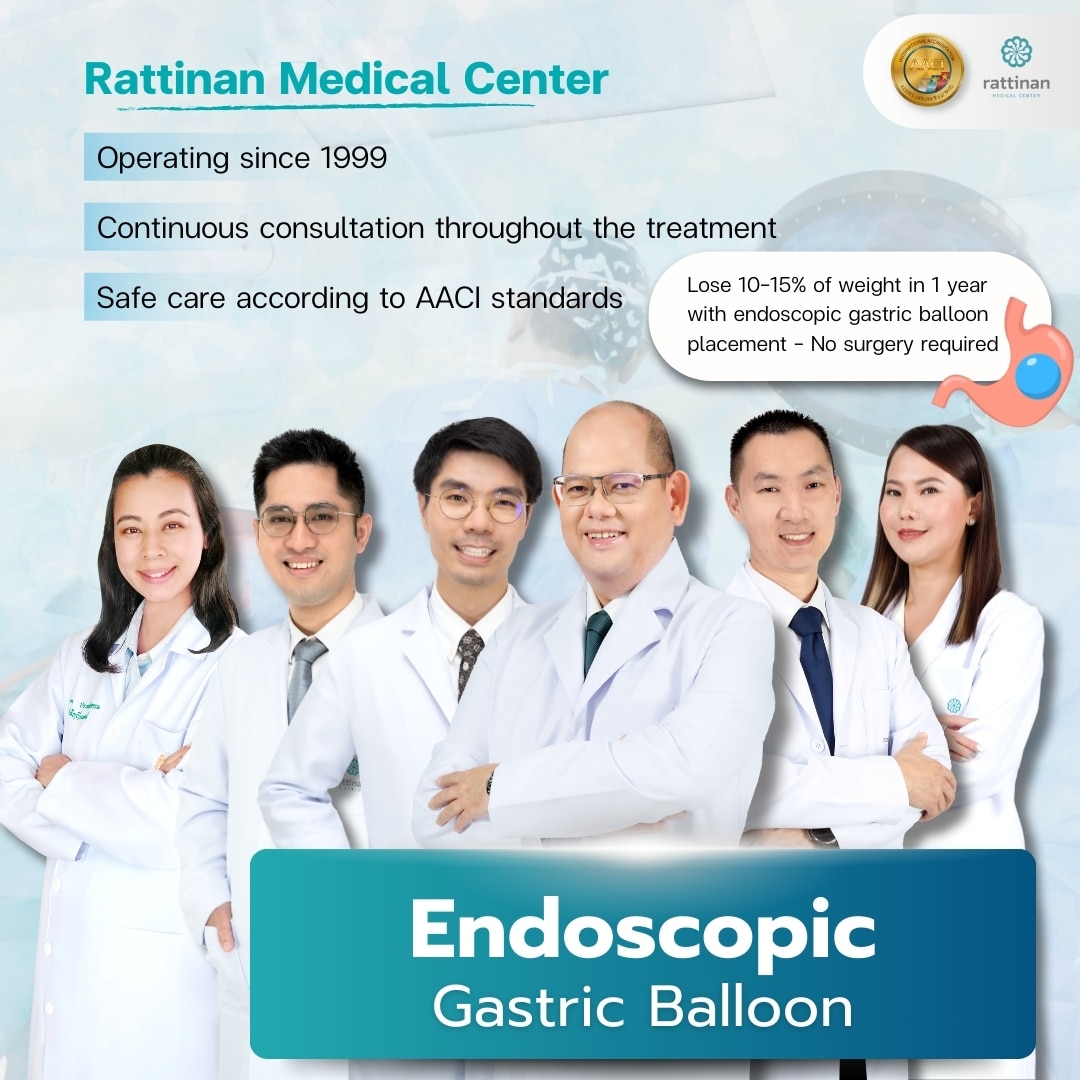
At Rattinan Medical Center, Bangkok, the placement of a gastric balloon (Intragastric Balloon) is a safe and expertly performed procedure by experienced surgeon such as Dr. Panot Yim Charoen. Utilizing advanced, internationally certified equipment, the process ensures both safety and effectiveness. Here’s a step-by-step guide to the entire procedure:
1. Health Assessment and Consultation
Before starting the treatment, the surgeon conducts a thorough health evaluation to determine if the gastric balloon is suitable for the patient. The assessment includes:
- BMI calculation to assess weight category.
- Identifying related health conditions, such as acid reflux or stomach issues.
- Setting weight loss goals in consultation with the patient.
During this step, the doctor explains the details of the procedure, discusses expectations, and recommends the most appropriate type of gastric balloon based on the patient’s health and goals.
2. Preparing for the Procedure
Patients are required to follow specific pre-procedure instructions, such as:
- Fasting: No food or drink for 6–12 hours before the procedure.
- Completing any additional tests or medications as advised by the doctor (e.g., blood tests).
- Understanding the procedure’s process and potential outcomes.
3. Gastric Balloon Placement
The procedure is conducted in a certified clinic under safe, controlled conditions. The steps include:
- Endoscopy: Using a flexible camera to place the balloon (e.g., Orbera balloon) into the stomach via the mouth. This process typically takes 20–30 minutes.
- Once the balloon is positioned, it is inflated with saline or a specialized solution to create the desired volume.
Throughout the procedure, the patient is monitored closely by surgeons and nurses to ensure comfort and safety.
4. Post-Procedure Care
After the gastric balloon placement, patients may experience mild side effects such as nausea or stomach discomfort for the first 2–3 days. The medical team will provide medications and advice to alleviate these symptoms. Follow-up care includes:
- Gradual adjustment to dietary changes, starting with liquids before transitioning to solid foods.
- Regular appointments with a dietitian to optimize eating habits.
- Routine weight and health monitoring to track progress.
5. Balloon Removal
Once the treatment period is complete, the balloon is removed via endoscopy. The process is quick, safe, and similar to the placement procedure.
6. Long-Term Follow-Up
Even after the balloon is removed, the team at Rattinan Medical Center continues to provide support to help patients maintain their weight loss. This includes:
- Encouraging healthy eating behaviors.
- Promoting regular exercise.
- Offering guidance and counseling to prevent weight regain.
Post-Balloon Insertion Care
Post-gastric balloon care requires a comprehensive, multidisciplinary approach combining medical management, nutritional guidance, and intensive lifestyle changes to ensure successful weight loss and prevent complications.
Immediate Side Effect Management (First 2 Weeks):
Common symptoms include nausea, vomiting, abdominal pain, cramps, indigestion, bloating, and diarrhea. Your care team will provide:
- Scheduled anti-emetic regimen for 2 weeks to manage nausea and vomiting
- Proton Pump Inhibitor (PPI) at lowest effective dose (typically once daily) to prevent tissue injury
- Daily multivitamin supplementation (1-2 adult doses)
Essential Lifestyle Modifications:
Success depends on high-intensity lifestyle interventions starting immediately:
- Low-calorie diet: 1200-1500 kcal/day with adjusted eating habits
- Aerobic exercise: 200-300 minutes per week
- Counseling sessions with trained interventionists for psychological support and motivation
- Multidisciplinary support: unlimited phone support, dietitian follow-up, nutrition counseling, cognitive behavioral therapy
Ongoing Monitoring & Follow-Up:
- Regular doctor appointments to monitor balloon functionality and overall health
- Physician office visits (typically included in post-operative costs)
- Adherence to follow-up is critical for safety and success
Balloon Duration & Removal:
- Most balloons remain in place for up to 6 months (some devices up to 12 months)
- Removal timing is critical—missing the recommended window can cause life-threatening complications like balloon deflation, migration, and bowel obstruction
- Most require endoscopy and sedation for removal (some self-emptying balloons pass naturally after ~4 months)
Long-Term Success Strategy:
The balloon is a temporary tool—long-term success requires continuing lifestyle modifications after balloon removal. Patients who maintain diet, exercise, and behavioral changes experience ongoing weight loss, while those who revert to old habits often regain weight. Your responsibility includes strict adherence to diet/exercise programs and all follow-up sessions throughout and beyond the treatment period.
The gastric balloon jumpstarts weight loss, but your commitment to permanent lifestyle changes determines lasting success.
Limitations of the Gastric Balloon
Limitations of the Gastric Balloon
While gastric balloons offer a less invasive weight loss option, they have significant limitations you should understand before proceeding.
Temporary Solution & Weight Regain Risk:
The balloon is not a permanent fix—it remains in place for only 6-12 months (some as short as 4 months). The critical limitation is that 78.7% of patients regain weight after removal if lifestyle changes aren’t maintained. Only about 21% achieve satisfactory long-term results, proving limited durability for obesity treatment. Success depends entirely on your commitment to permanent diet and exercise changes that continue after removal.
Lower Weight Loss Compared to Surgery:
Balloons typically produce 20-30% excess weight loss versus 60-80% with gastric bypass surgery. Most weight loss (up to 80%) occurs in the first 3 months, then plateaus. Patient satisfaction is often low—less than 50% are satisfied with weight loss achieved, and under 40% are satisfied with the overall procedure.
Procedural Limitations:
- Most require endoscopy and sedation for placement/removal (added cost and risk)
- Swallowable balloons bypass pre-screening, missing potential ulcers or anatomical problems
- Requires experienced providers—complications can be serious
Who Cannot Have the Balloon:
Absolutely contraindicated if you have: prior stomach surgery, active ulcers, hiatal hernia >5cm, chronic NSAID use, blood thinners, liver disease, uncontrolled psychiatric illness, eating disorders, or substance abuse.
The gastric balloon is a temporary jumpstart tool, not a cure. Expect modest weight loss that requires lifelong lifestyle commitment to maintain, accept common uncomfortable side effects, understand serious complication risks, and be prepared for likely weight regain if you don’t permanently change your habits. If you want substantial, lasting weight loss, bariatric surgery offers better long-term results.
Potential Risks
<H2> Potential Risks<<< New topic
Common Side Effects:
Expect nausea, vomiting, abdominal pain, cramps, indigestion, bloating, and diarrhea, especially in the first weeks. About 2.2% require premature removal due to intolerance. Fluid-filled balloons cause more severe nausea/vomiting than gas-filled types.
Serious Safety Risks (Rare but Life-Threatening):
- Balloon deflation and migration can cause bowel obstruction (1.4% rate)—life-threatening and potentially requiring emergency surgery
- Missing the removal deadline is dangerous: one patient kept their balloon 14 months (instead of 6) and suffered deflation, bowel obstruction, septic shock, and permanent short bowel syndrome requiring lifelong IV nutrition
- Gastric perforation (0.1% mortality rate)
- Overall mortality: 0.08%
How Does a Gastric Balloon Help with Weight Loss?
A gastric balloon (Intragastric Balloon) is a non-surgical, effective, and sustainable weight loss solution. It works by limiting the stomach’s capacity to reduce food intake during meals. Here’s how the gastric balloon aids in achieving weight loss:
1. Reducing Stomach Space
When the balloon is placed in the stomach, it is filled with saline or a specialized solution, occupying part of the stomach’s volume. Typically, the balloon has a capacity of 400–700 milliliters, leaving less space for food. As a result, patients feel full after consuming smaller portions, making it easier to manage calorie intake.
2. Suppressing Appetite
The presence of the balloon stimulates the stomach’s nerves, particularly the Vagus Nerve, which signals fullness to the brain. This reduces the frequency of hunger pangs, helps patients feel full for longer periods, and supports better control over eating habits.
3. Encouraging Healthier Eating Behaviors
While the balloon remains in the stomach (4–12 months, depending on the type), patients have the opportunity to develop healthier eating habits, such as:
- Avoiding high-calorie foods.
- Controlling portion sizes to prevent overeating.
- Balancing meals with nutrient-dense options.
These changes not only aid in weight loss during the treatment period but also prepare patients for long-term success after the balloon is removed.
4. Promoting Fast Weight Loss
The gastric balloon delivers noticeable results in a short time. On average, patients lose 10-15% of their body weight within 6–12 months. The exact weight loss depends on the type of balloon used and the patient’s adherence to medical advice.
5. Comprehensive Support from a Dedicated Team
At Rattinan Medical Center, the gastric balloon program goes beyond placing the device. Patients benefit from the expertise of a supportive care team that includes:
- Dietitians who design tailored meal plans for effective weight management.
- Specialist doctors who monitor progress and ensure safety throughout the treatment.
- Counselors who provide advice to prevent weight regain and maintain motivation.
Who Is It Best For?
The gastric balloon is an ideal solution for individuals with a BMI between 27–35 who want to lose weight without surgery. It’s particularly suitable for those ready to make lifestyle changes to sustain their results in the long term.
Comparing Gastric Balloon Placement with Other Weight Loss Methods
Weight loss can be achieved through various approaches depending on individual health conditions and goals. These methods range from diet and exercise to medical interventions like gastric balloon placement (Intragastric Balloon) or surgical procedures.
Below is a comparison of the advantages and disadvantages of gastric balloons versus other weight loss strategies to help patients decide on the most suitable option.
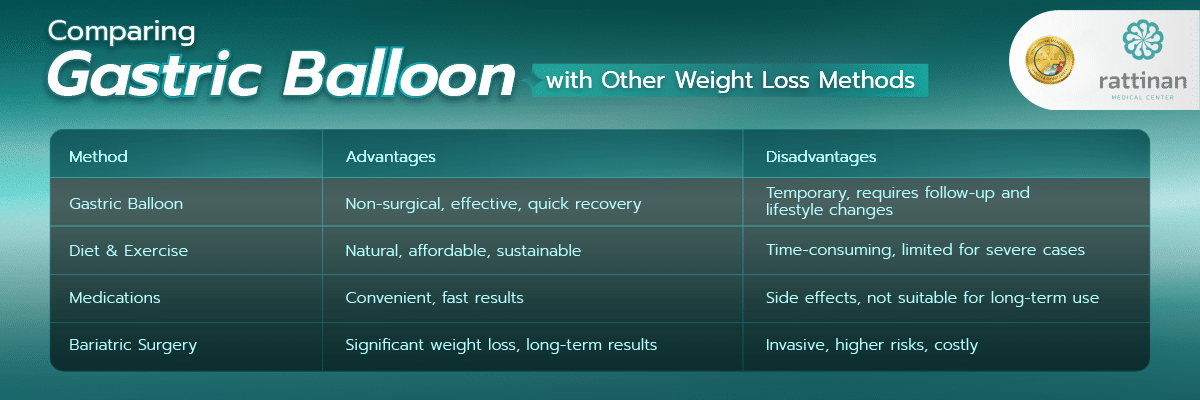
The gastric balloon procedure is ideal for individuals seeking a moderate to short-term weight loss solution without surgery or medication. It is designed to provide effective results while minimizing risks, making it suitable for those who prefer a minimally invasive method.
Choosing the right weight loss approach depends on your health condition, weight loss goals, and the guidance of a qualified medical professional. At Rattinan Medical Center, our experienced surgeons carefully evaluate each patient and recommend the safest and most effective method tailored to your needs.
With a focus on safety, precision, and long-term success, the gastric balloon at Rattinan Medical Center can help you achieve your weight loss goals with confidence.
Our Doctor

Dr. Panot Yimcharoen
Surgeon

Dr. Setthasiri Pantanakul
Surgeon

Dr. Dudsadee Surakitbowon
Surgeon

Dr. Krittin Ousirimaneechai
Endocrinologist

Dr. Suchada Prapruettham
Anesthesiologist
Dr. Nattakhan Hoontanee
Anesthesiologist
How Long Does a Gastric Balloon Take?
The duration of a gastric balloon treatment (Intragastric Balloon) varies depending on the type of balloon selected. Generally, the timeline can be divided into three key stages: placement procedure, time the balloon remains in the stomach, and follow-up period.
1. Balloon Placement Procedure
The process of placing a gastric balloon is quick and minimally invasive:
- For Orbera and Spatz Balloons:
The balloon is inserted into the stomach using endoscopy. This procedure typically takes 20–30 minutes under local anesthesia or mild sedation for patient comfort. - For Allurion Balloon:
Patients can simply swallow a capsule containing the balloon, which does not require endoscopy or anesthesia. The procedure takes only a few minutes.
After the placement, patients are monitored for 1–2 hours at the clinic before being allowed to go home.
2. Duration the Balloon Stays in the Stomach
The length of time a balloon remains in the stomach depends on its type:
- Spatz (Spatz Adjustable Balloon System):
Can remain for up to 12 months. Its adjustable size allows for modifications during treatment to optimize weight loss results. - Orbera (Orbera Managed Weight Loss System):
Designed to stay in the stomach for 12 months, providing an ideal period for behavioral and dietary changes. - Allurion (Allurion Balloon):
Dissolves naturally after 16 weeks (4 months) and is excreted from the body without requiring removal.
3. Follow-Up Period
After the balloon is removed (or dissolves naturally in the case of Allurion), follow-up care is crucial to maintain the weight loss and prevent regaining weight. This includes:
- Regular doctor or dietitian visits: Scheduled monthly or as advised to monitor progress.
- Adjustments to diet and lifestyle: To sustain long-term results and prevent weight gain.
Cost of Gastric Balloon Placement at Rattinan Medical Center in Bangkok, Thailand
At Rattinan Medical Center, located in the heart of Bangkok, Thailand, we provide gastric balloon placement services following AACI-standard care, ensuring high-quality treatment at transparent and competitive pricing.
Our packages include comprehensive support and follow-ups by our expert medical team. Below are the details of the costs:
1. Gastric Balloon Placement Fee
- Starting at 190,000 THB (Approx. $5,645 USD)
This fee includes:
- Initial health assessment and consultation with expert surgeons.
- The placement procedure, including all necessary equipment and endoscopy costs.
- Professional dietary guidance from experienced dietitians.
- Follow-up care throughout the duration of the balloon’s use.
2. Balloon Removal or Adjustment Fees
- Balloon removal fee: 65,000 THB (Approx. $1,868 USD)
- For balloons requiring endoscopic removal, such as Orbera and Spatz.
- Balloon adjustment fee: Fees vary for size adjustments, applicable for Spatz balloons.
3. Additional Costs (if applicable)
- Health check-ups: Includes blood tests or other diagnostics, if required by the doctor.
- Medications or supplements: Recommended to reduce initial discomfort after the procedure.
Value of Treatment at Rattinan Medical Center in Bangkok
- Specialized expertise: Care is provided by surgeons with extensive experience, ensuring precision and safety during the procedure.
- Close follow-up care: Continuous monitoring and personalized guidance from both doctors and dietitians to help you achieve your weight loss goals safely and sustainably.
Why Choose Rattinan Medical Center for Gastric Balloon in Bangkok?
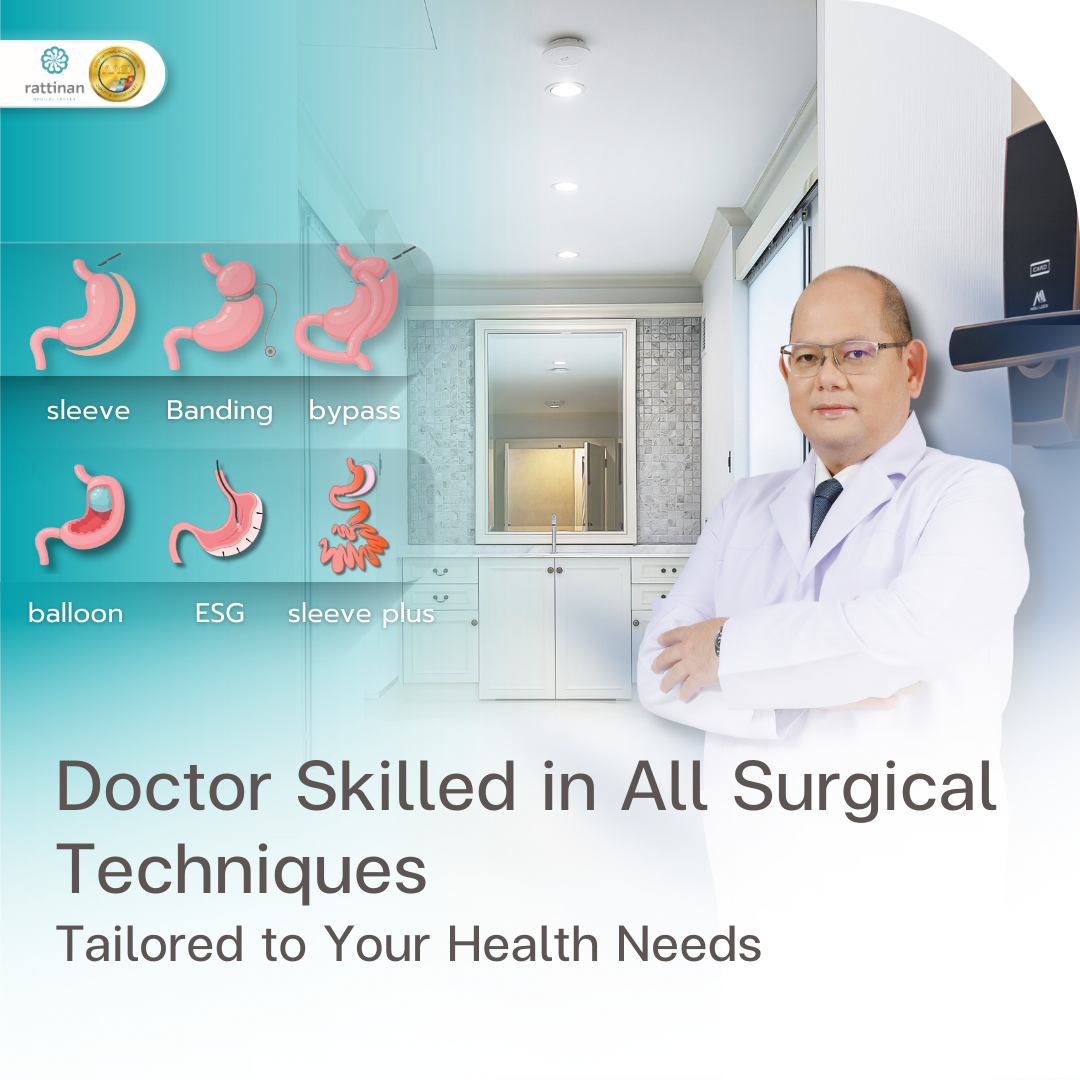
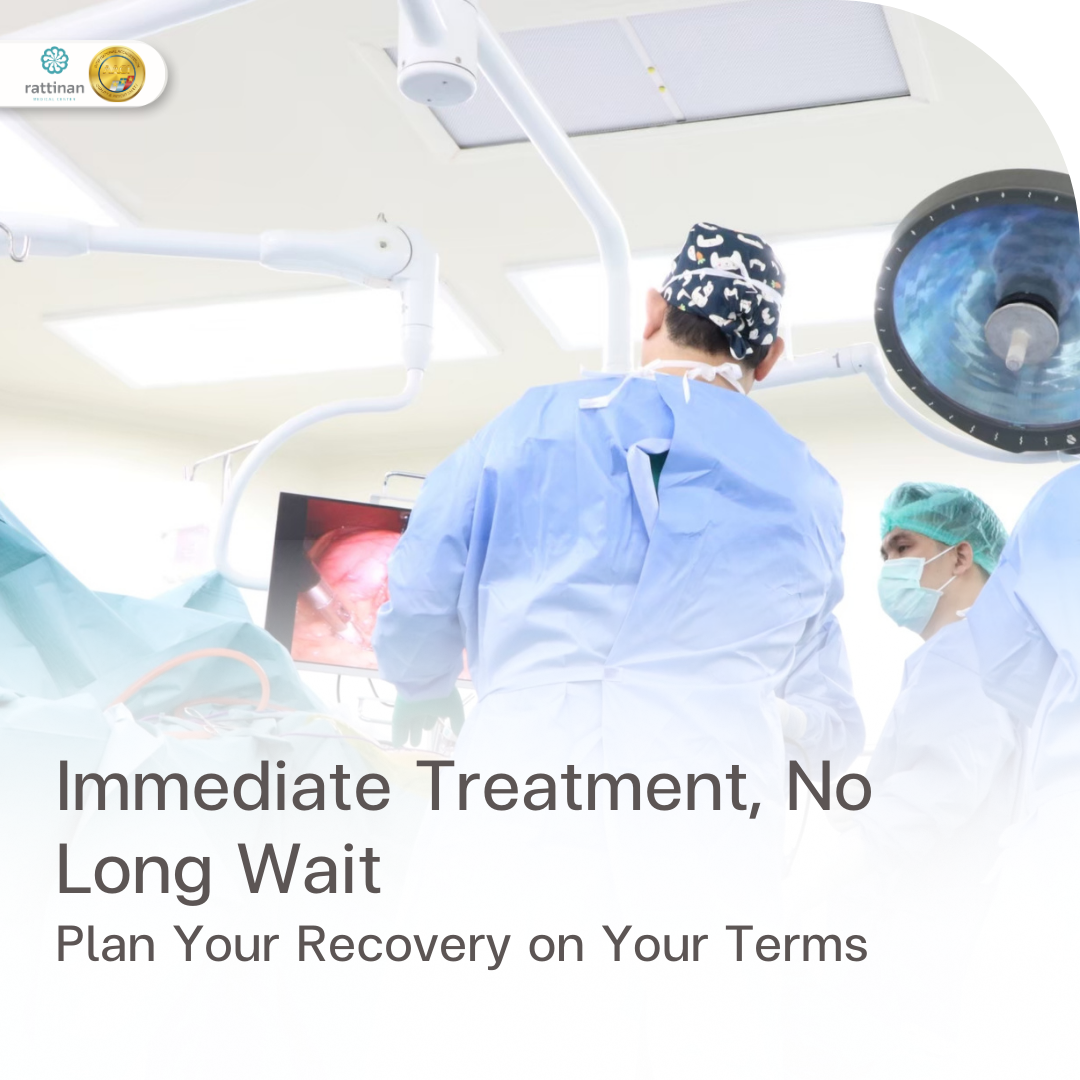
Rattinan Medical Center stands out as a premier clinic for weight loss and gastric balloon placement (Intragastric Balloon) in Bangkok. With years of experience and adherence to AACI standards, we are a top choice for those seeking a safe, effective, and comprehensive weight loss solution.
1. Expert Team and Proven Experience
- Procedures are led by renowned specialists such as:
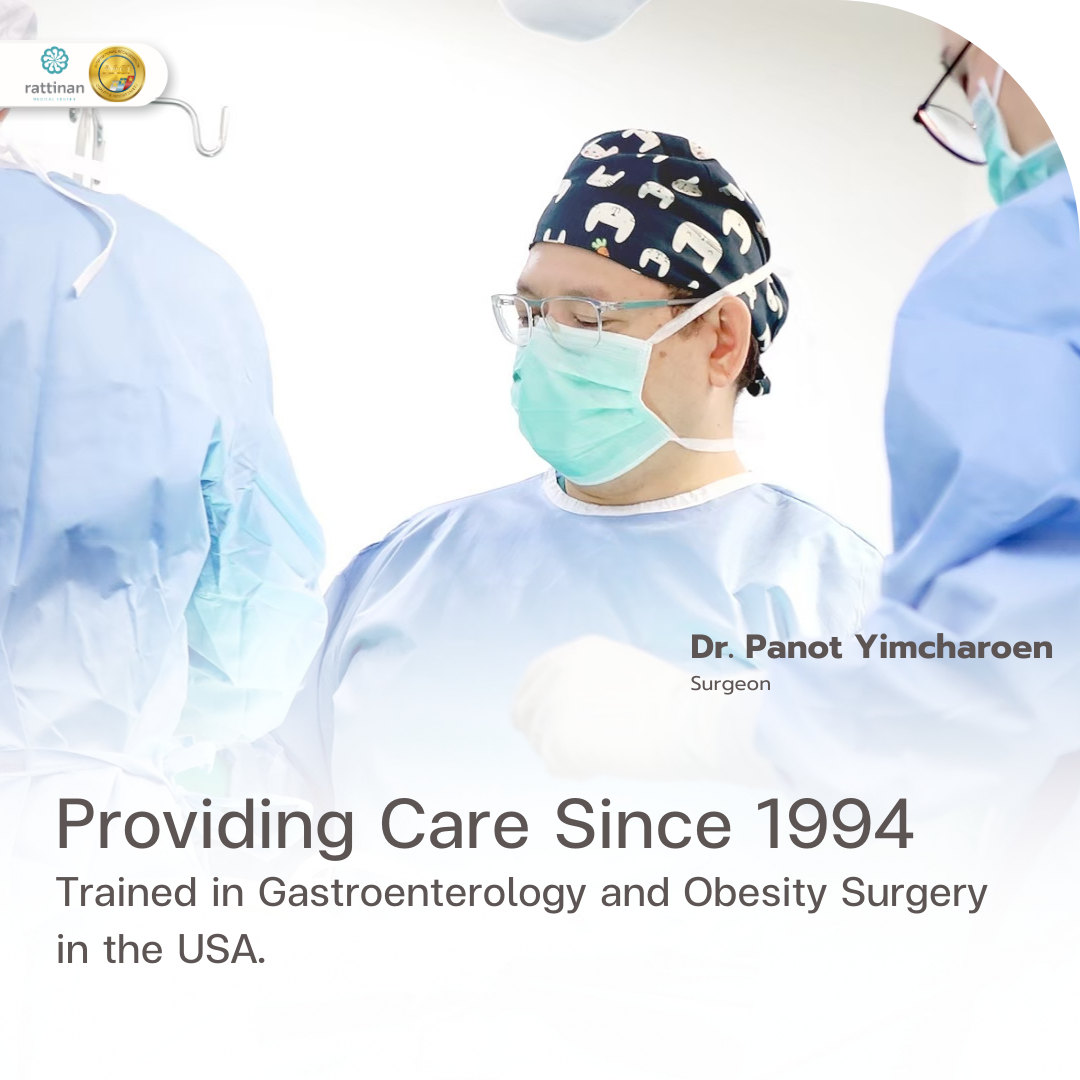
- Dr. Panot Yim Charoen, a highly skilled surgeon with extensive weight loss expertise.
- Dr. Setthasiri Pantanakul, a recognized expert in weight loss and bariatric surgery.
- The team has vast experience with various types of gastric balloons, including Orbera, Spatz, and Allurion.
- Numerous patients have successfully achieved their weight loss goals under our care.
2. International Standards and Advanced Technology
- Operating rooms and facilities meet AACI, Ministry of Public Health, and ISO standards.
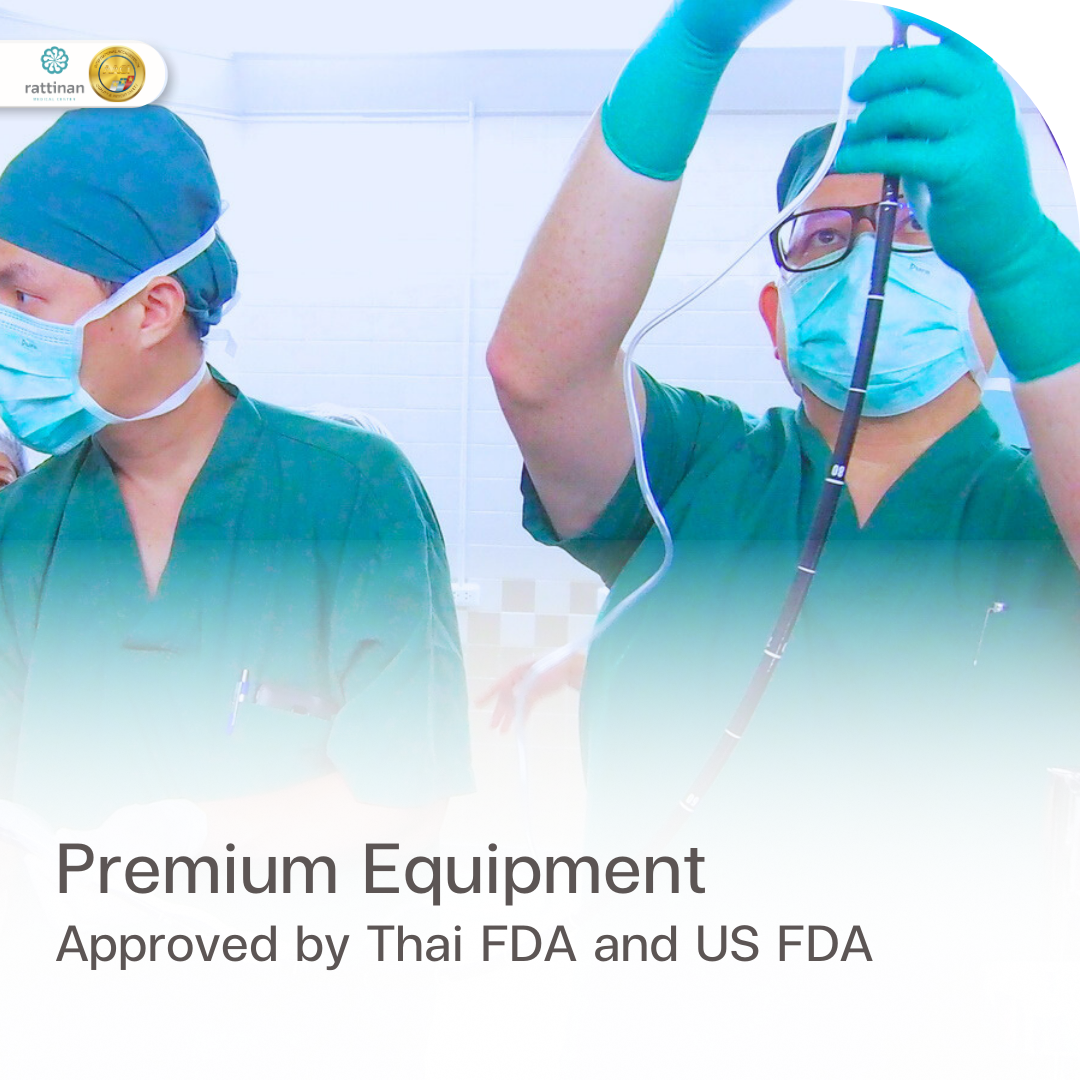
- All equipment, including endoscopic tools and balloons, is certified by the US FDA and Thai FDA.
- Procedures are conducted with the utmost safety and in line with global best practices.
3. Comprehensive Care Throughout the Treatment Journey
At Rattinan Medical Center, patients receive end-to-end care, including:
- Initial Health Assessment: A thorough evaluation to determine the most suitable treatment approach.
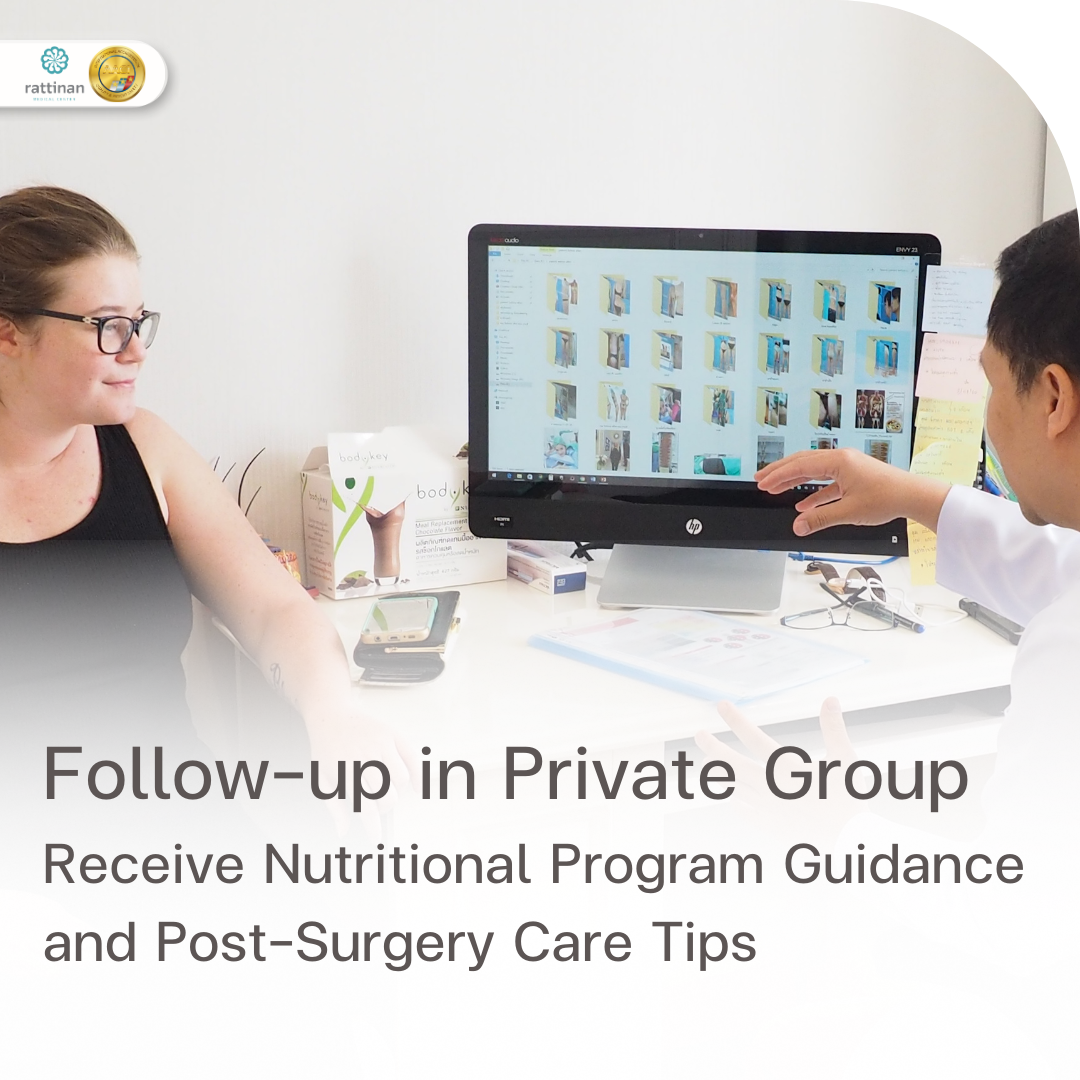
- Nutritional Guidance: Professional dietitians design personalized meal plans tailored to each patient’s needs.
- Post-Treatment Follow-Up: Regular check-ups to assess progress and adjust plans for optimal results.
4. Comfortable and Friendly Environment
- The clinic offers a modern, clean, and private atmosphere, ensuring a relaxing experience for every patient.
- Our staff provides compassionate care and clear communication, helping patients feel confident and supported throughout the process.
5. Reliable Results
- Patients undergoing gastric balloon placement at Rattinan Medical Center achieve an average weight loss of 10-15% of their body weight within 6–12 months.
- Many have experienced life-changing improvements in both weight and overall health.
6. Transparent Pricing
- Gastric balloon placement starts at 190,000 THB (Approx. $5,645 USD), inclusive of comprehensive care.
- Additional fees, such as balloon removal, are clearly explained upfront with no hidden costs.
Frequently Asked Questions About Gastric Balloon Placement
1. How Much is the Gastric Balloon in Thailand? <<< Topic Changed
Weight Loss Solutions Strating Price (THB) Weight Loss Program 23,000 Bariatric Surgery 230,000-690,000 Sleeve Gastrectomy (Hospital stay: 5 days, 4 nights) 450,000 Gastric Bypass Surgery (Hospital stay: 5 days, 4 nights) 650,000 Mini Gastric Bypass Surgery (Hospital stay: 5 days, 4 nights) 630,000 Conversion of Sleeve to Bypass Surgery (Hospital stay: 5 days, 4 nights) 690,000 Endoscopic Suturing of the Stomach (Overstitch) with Scarless Technology (Hospital stay: 2 days, 1 night) 650,000 Intragastric Balloon Placement (Scarless Technology) 230,000
2. Does the Gastric Balloon Procedure Hurt?
Does the Gastric Balloon Procedure Hurt?
The gastric balloon insertion itself is not painful because it’s performed under sedation or anesthesia, but expect significant discomfort for 2-3 days afterward as your stomach adjusts.
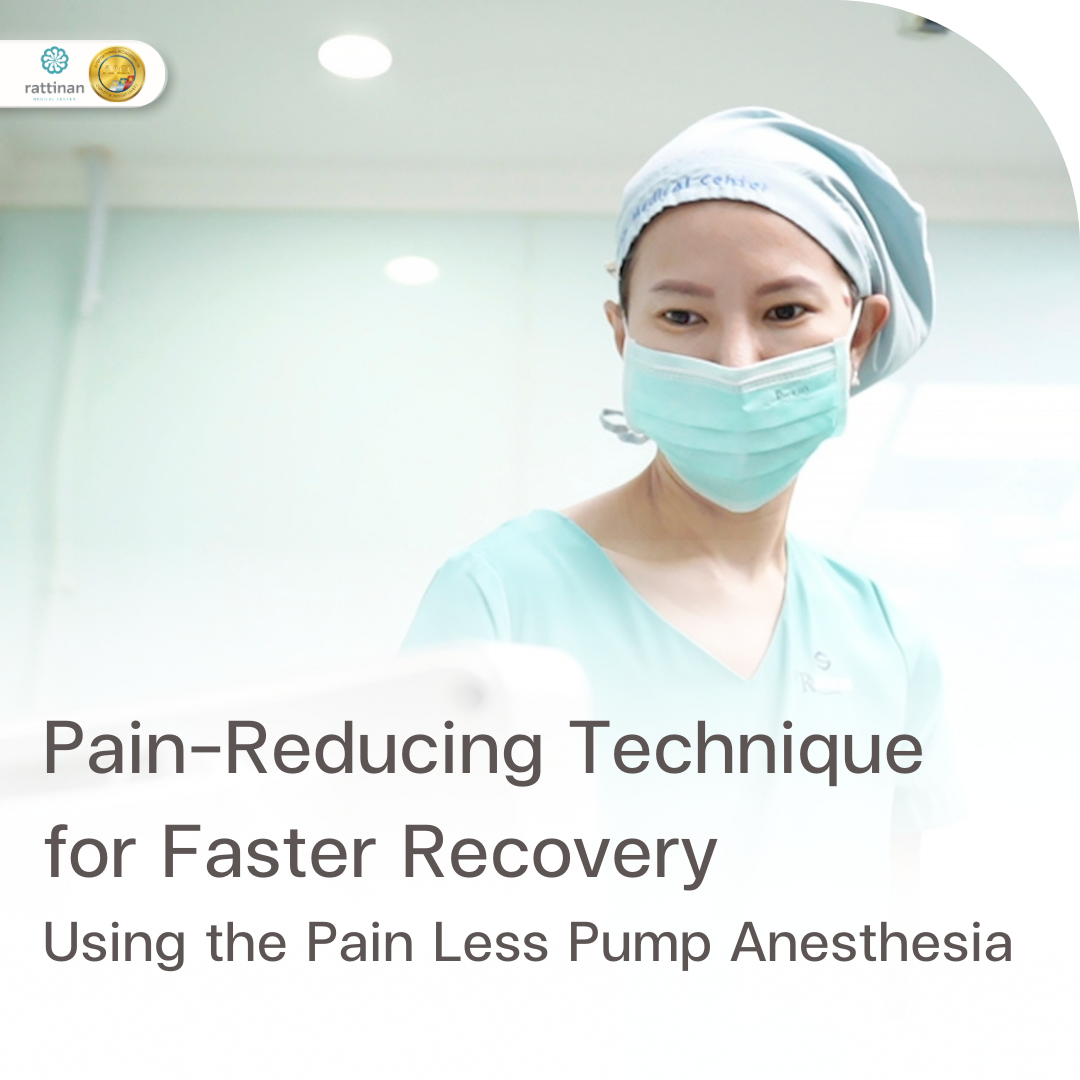
For endoscopic balloons (Orbera, Spatz), the 20-30 minute insertion uses local anesthetic or light general anesthesia, while swallowable balloons (Allurion) require no anesthesia at all—you simply swallow a capsule in minutes.
The challenging part comes post-procedure: most patients experience nausea, abdominal pain, and cramping during the first few days, which your doctor will manage with prescribed anti-nausea medications and pain relievers. After 1-2 hours of observation, you can go home, and these uncomfortable symptoms typically resolve within the first week as your body adapts to the balloon.
Removal after 6-12 months (for balloons requiring extraction) is also performed under sedation via endoscopy, so you won’t feel pain during that process either.
The procedures themselves are painless due to sedation, but plan for several days of manageable but uncomfortable adjustment symptoms that medication helps control.
3. How Long Does the Balloon Stay in the Stomach?
How Long Does the Balloon Stay in the Stomach?
Gastric balloons are temporary devices remaining in your stomach for 4-12 months depending on the type.
Endoscopically-placed balloons like Orbera typically stay 6-12 months (newer Orbera365 model stays up to 12 months), Spatz3 adjustable balloon is approved for 12 months, and ReShape Duo/Heliosphere stay 6 months maximum.
The Allurion/Elipse swallowable balloon is unique—it stays approximately 4 months (16 weeks) then spontaneously deflates and passes naturally through your digestive system without requiring removal.
Critical warning: exceeding the recommended duration is dangerous—one patient who kept their balloon 14 months instead of 6 suffered life-threatening complications including balloon deflation, bowel obstruction, and septic shock.
Your specific duration will be decided case-by-case based on your device type and progress, and you must adhere strictly to the removal timeline for safety. After removal, maintaining weight loss depends entirely on continuing the lifestyle changes you developed while the balloon was in place.
4. Are There Any Side Effects?
Are There Any Side Effects of the Gastric Balloon?
Yes, gastric balloons have both common temporary side effects and rare serious complications. Most patients experience significant discomfort in the first 1-2 weeks including nausea (63%), vomiting (55%), abdominal pain, cramps, indigestion, bloating, and acid reflux—these typically subside but may require anti-nausea medication and acid reducers.
Fluid-filled balloons (Orbera, ReShape) cause more severe nausea/vomiting (73-77%) than gas-filled types (16%). About 2.2% require early removal due to intolerable side effects like excessive vomiting or dehydration lasting beyond seven days.
Rare but serious complications include balloon deflation and migration causing life-threatening bowel obstruction (1.4%)—one patient who kept their balloon 14 months instead of 6 suffered septic shock and permanent disability.
Gastric perforation occurs rarely with 0.1% mortality risk, and overall procedure mortality is 0.08%. Certain balloons have specific risks: ReShape Duo initially caused ulcers in 35% (improved to 10% after redesign), and Spatz3’s irregular shape may cause pancreatitis or gastric bleeding. While the balloon doesn’t affect nutrient absorption, daily multivitamins are recommended, and the biggest “side effect” is weight regain—78.7% regain weight after removal without maintained lifestyle changes.
5. How Much Weight Can Be Lost with a Gastric Balloon?
How Much Weight Can Be Lost with a Gastric Balloon?
Gastric balloons produce moderate short-term weight loss, with patients typically losing 10-15% of total body weight or 20-30% of excess weight over 4-12 months—significantly less than gastric bypass surgery’s 60-80% excess weight loss.
Specific results vary by balloon type:
- Elipse (swallowable, 4 months) achieves 14.2% total body weight loss and 49.3% excess weight loss;
- Orbera (endoscopic, 6 months) produces 11.3% total body weight loss (average 15.7 kg);
- Obalon (gas-filled, 6 months) results in 6.6% total body weight loss and 31.5% excess weight loss.
- Fluid-filled balloons consistently outperform gas-filled types in weight loss but cause more nausea/vomiting.
Critical timing: the greatest weight loss (up to 80% of total loss) occurs in the first 3 months, then plateaus.
The harsh reality: weight loss is not sustainable long-term—78.7% of patients regain weight after removal without maintained lifestyle changes. Success depends entirely on your commitment to permanent dietary and exercise modifications that continue after the balloon is removed.
Beyond weight loss, patients experience average 4.1 cm waistline reduction and improvements in diabetes, blood pressure, cholesterol, and liver function.
6. Is the Gastric Balloon Safe?
Is the Gastric Balloon Safe?
The gastric balloon is generally considered safe for short-term use with an acceptable safety profile, especially when performed by experienced specialists in accredited facilities, though it does carry risks. The mortality rate is very low at 0.08%, and serious adverse events are rare (0.2% in large studies).
However, most patients experience uncomfortable but manageable side effects like nausea, vomiting, abdominal pain, and cramps in the first 1-2 weeks as your stomach adjusts—about 2.2% require early removal due to intolerance.
Rare but serious complications include balloon deflation and migration causing bowel obstruction (1.4%)—one patient who kept their balloon 14 months instead of 6 suffered life-threatening complications—and gastric perforation (0.1% mortality risk).
Safety varies by balloon type: fluid-filled balloons (Orbera) cause more nausea/vomiting but better weight loss, while gas-filled types (Obalon) have fewer side effects.
Critical safety factors: choose experienced providers (swallowable balloons increase risk with inexperienced doctors), adhere strictly to removal timelines, and ensure you don’t have contraindications like prior stomach surgery, active ulcers, hiatal hernia >5cm, blood thinner use, liver disease, or uncontrolled psychiatric conditions.
Overall, gastric balloons are safer than bariatric surgery but require proper patient selection, experienced providers, and strict adherence to protocols.
7. What Aftercare Is Required Following Placement?
What Aftercare Is Required Following Gastric Balloon Placement?
Comprehensive aftercare is essential for success and safety, combining medical management, lifestyle changes, and ongoing monitoring. Medical management includes taking proton pump inhibitors (PPIs) daily to protect your stomach lining, anti-nausea medications for 2 weeks to manage initial discomfort, and daily multivitamins for nutritional support.
Lifestyle modifications are critical—you must follow a strict low-calorie diet (1200-1500 kcal/day) with initial liquid foods progressing gradually to normal meals, complete 200-300 minutes of aerobic exercise weekly, and attend counseling sessions with dietitians and trained interventionists for nutritional guidance and psychological support to sustain behavioral changes.
Regular follow-up appointments with your physician are mandatory to monitor balloon function, health status, and weight loss progress—these are non-negotiable for safety. Critical: the balloon is temporary (4-12 months), and most balloons require endoscopic removal under sedation at the specified timeframe; missing this window causes life-threatening complications like bowel obstruction (one patient kept theirs 14 months and suffered severe consequences).
Long-term success depends entirely on maintaining lifestyle changes after removal—78.7% regain weight without continued diet/exercise adherence, so aftercare continues indefinitely beyond balloon removal to sustain results.
8. How Much Does a Gastric Balloon Cost?
Weight Loss Solutions Strating Price (THB) Weight Loss Program 23,000 Bariatric Surgery 230,000-690,000 Sleeve Gastrectomy (Hospital stay: 5 days, 4 nights) 450,000 Gastric Bypass Surgery (Hospital stay: 5 days, 4 nights) 650,000 Mini Gastric Bypass Surgery (Hospital stay: 5 days, 4 nights) 630,000 Conversion of Sleeve to Bypass Surgery (Hospital stay: 5 days, 4 nights) 690,000 Endoscopic Suturing of the Stomach (Overstitch) with Scarless Technology (Hospital stay: 2 days, 1 night) 650,000 Intragastric Balloon Placement (Scarless Technology) 230,000
9. Can the Procedure Be Repeated?
Can the Gastric Balloon Procedure Be Repeated?
Yes, the gastric balloon procedure can be repeated if your physician determines you need additional treatment and your body is in appropriate condition for another placement, though success rates for repeat procedures are questionable. In one long-term study, 7.7% of patients opted for a second balloon after the first was removed, and overall 37.7% of patients who regained weight pursued either a second balloon or bariatric surgery.
While clinical research has studied repeated treatments, experts note there is limited evidence of success with a second balloon—the effectiveness appears diminished compared to the first placement. Some recommend allowing time to lapse between first and second placements rather than immediate consecutive insertions.
The reality: if you regained weight after the first balloon, it typically indicates failure to maintain the required lifestyle changes, which are the true foundation of success; repeating the procedure without addressing behavioral patterns often yields disappointing results. Most physicians suggest that patients requiring repeated intervention should consider whether bariatric surgery might be more appropriate for achieving sustainable long-term weight loss rather than relying on another temporary solution.
10. What Is the Diet Like After Gastric Balloon Placement?
What Is the Diet Like After Gastric Balloon Placement?
Your post-balloon diet follows a strict, structured progression crucial for managing discomfort and maximizing weight loss success.
Initially, you’ll start with liquid foods only for the first period to allow your stomach to adjust and minimize nausea/vomiting, then gradually transition to normal solid foods under professional guidance.
Long-term, you must commit to a low-calorie diet of 1200-1500 kcal/day—the balloon physically limits stomach capacity, creating early fullness and forcing smaller meal portions, but success depends on your behavioral changes including avoiding high-calorie foods, preventing overeating, and adopting permanently healthy eating habits.
Professional support is mandatory: dietitians and nutritionists will design your personalized meal plan, guide your progression from liquids to solids, provide ongoing counseling, and help you develop sustainable eating behaviors.
Daily multivitamin supplementation (1-2 adult doses) is recommended since, while the balloon doesn’t affect nutrient absorption, reduced food intake may limit vitamin intake.
Critical reality: the diet must continue after balloon removal—weight loss is not sustainable unless you permanently maintain these eating habits; patients who view the balloon as a replacement for diet and exercise rather than a training tool typically fail long-term. Your adherence to this structured, low-calorie eating plan throughout and beyond the treatment period fundamentally determines whether you’ll keep the weight off or join the 78.7% who regain it.
11. How Many Times Can You Get a Gastric Balloon?
How Many Times Can You Get a Gastric Balloon?
The gastric balloon can technically be repeated multiple times based on physician evaluation, though success rates decline significantly with subsequent placements and there’s limited evidence supporting repeat procedures. In clinical practice, 7.7% of patients opt for a second balloon after the first removal, and 37.7% of patients who regain weight pursue either another balloon or bariatric surgery.
Your physician will assess whether your body is in appropriate condition for repeat placement and whether additional treatment is truly needed, with some experts recommending a time lapse between first and second placements rather than consecutive insertions.
The harsh reality: needing repeated balloons typically indicates failure to adopt permanent lifestyle changes—the fundamental issue that determines long-term success. Since balloons are temporary (4-12 months depending on type), repeatedly relying on them without addressing underlying eating behaviors creates a cycle of weight loss and regain.
Most bariatric specialists suggest that patients requiring multiple balloon procedures should seriously consider bariatric surgery instead, as it offers more sustainable long-term weight loss (60-80% excess weight loss vs. 20-30% with balloons).
Bottom line: while there’s no strict limit on repetitions, each subsequent balloon shows diminishing returns, and continuous reliance on temporary devices without behavioral change is neither cost-effective nor medically advisable compared to committing to permanent lifestyle modifications or pursuing surgical intervention.
12. Why Choose Rattinan Clinic?
Why Choose Rattinan Clinic for Gastric Balloon?
Rattinan Clinic stands out for gastric balloon procedures through its specialized surgical expertise, international safety standards, comprehensive multidisciplinary care, and transparent pricing. Our procedures are performed by highly experienced surgeons including Dr. Panot Yimcharoen (specializing in minimally invasive and weight loss surgery since 1994 with US/Canada training) and Dr. Setthasiri Phanthanakul (surgical and endoscopy specialist), who have extensive experience with all balloon types and a proven track record of successful patient outcomes.
We maintain rigorous international standards with AACI-certified operating rooms plus Ministry of Public Health and ISO certification, using only US FDA and Thai FDA-certified balloons (Spatz, Orbera, Allurion) with modern equipment following strict safety protocols.
Our comprehensive aftercare sets us apart: we provide end-to-end care from initial health assessment through long-term follow-up, including specialized nutritionists designing personalized meal plans, continuous monitoring by expert surgeons, and dedicated support for developing sustainable eating habits and exercise routines to prevent weight regain after balloon removal.
Patients typically achieve 10-15% total body weight loss within 6-12 months, and we emphasize the Orbera balloon as not just weight loss but “the start of creating long-term health.”
Transparent, all-inclusive pricing starts at 140,000 Baht covering assessment, insertion, nutritionist consultation, and follow-up care during placement, with clearly stated balloon removal fee of 50,000 Baht if required—no hidden costs. Our clean, modern, private facility ensures you feel comfortable and relaxed throughout treatment, receiving world-class care that combines surgical excellence with compassionate, personalized support for your weight loss journey.
Gastric Balloon for a Lighter, Healthier Life
The gastric balloon (Intragastric Balloon) is a safe, non-surgical, and internationally recognized weight loss solution. Ideal for individuals seeking effective weight loss without the risks of major surgery, this procedure helps you modify eating habits, reduce appetite, and better control your food intake.
With advanced technology and a skilled medical team at Rattinan Medical Center, you’ll receive comprehensive care—from health evaluations and balloon placement to consistent follow-up—to ensure you achieve safe and sustainable weight loss.
If you’re ready to transform your health and embrace a lighter, healthier lifestyle, a gastric balloon may be the right solution for you. Contact Rattinan Medical Center today to start your journey toward better health and a brighter future.
Dr. Suthipong Treeratana is a co-founder of Rattinan Clinic with over 30 years of experience in body contouring and liposuction. He specializes in individually tailored treatment plans designed to achieve results aligned with each patient’s unique anatomy and goals.