

 Thai
Thai Chinese
 Indonesian
Medically Reviewed by SUTHIPONG TREERATANA, M.D.
Liposuction is a surgical procedure designed for localized fat reduction. By utilizing medical technologies, it effectively eliminates stubborn fat from areas such as the abdomen, arms, thighs, under the chin, and other parts of the body.
It is an ideal solution for individuals who maintain a healthy diet and exercise regularly but struggle with localized fat deposits that are stubborn.
With today’s modern Liposuction techniques, this procedure can help refine your silhouette, create a more proportionate shape, and boost your confidence with natural-looking results. In this article, we will take an in-depth look at everything you need to know about Liposuction, including:
- Liposuction techniques
- Pros and cons of Liposuction
- How to prepare for your Liposuction procedure
- Aftercare for a Liposuction recovery
And other key factors to ensure everyone can make a safe and confident decision.
What Is Liposuction?
Liposuction is a surgical procedure that utilizes advanced technology to reshape and contour the body. It is specifically designed for individuals looking to eliminate stubborn, localized fat in areas such as the abdomen, thighs, arms, and under the chin.
It is important to note that Liposuction is not a weight-loss solution. Instead, it is a body-sculpting procedure aimed at removing excess fat to create more defined proportions and a firmer, more toned silhouette.
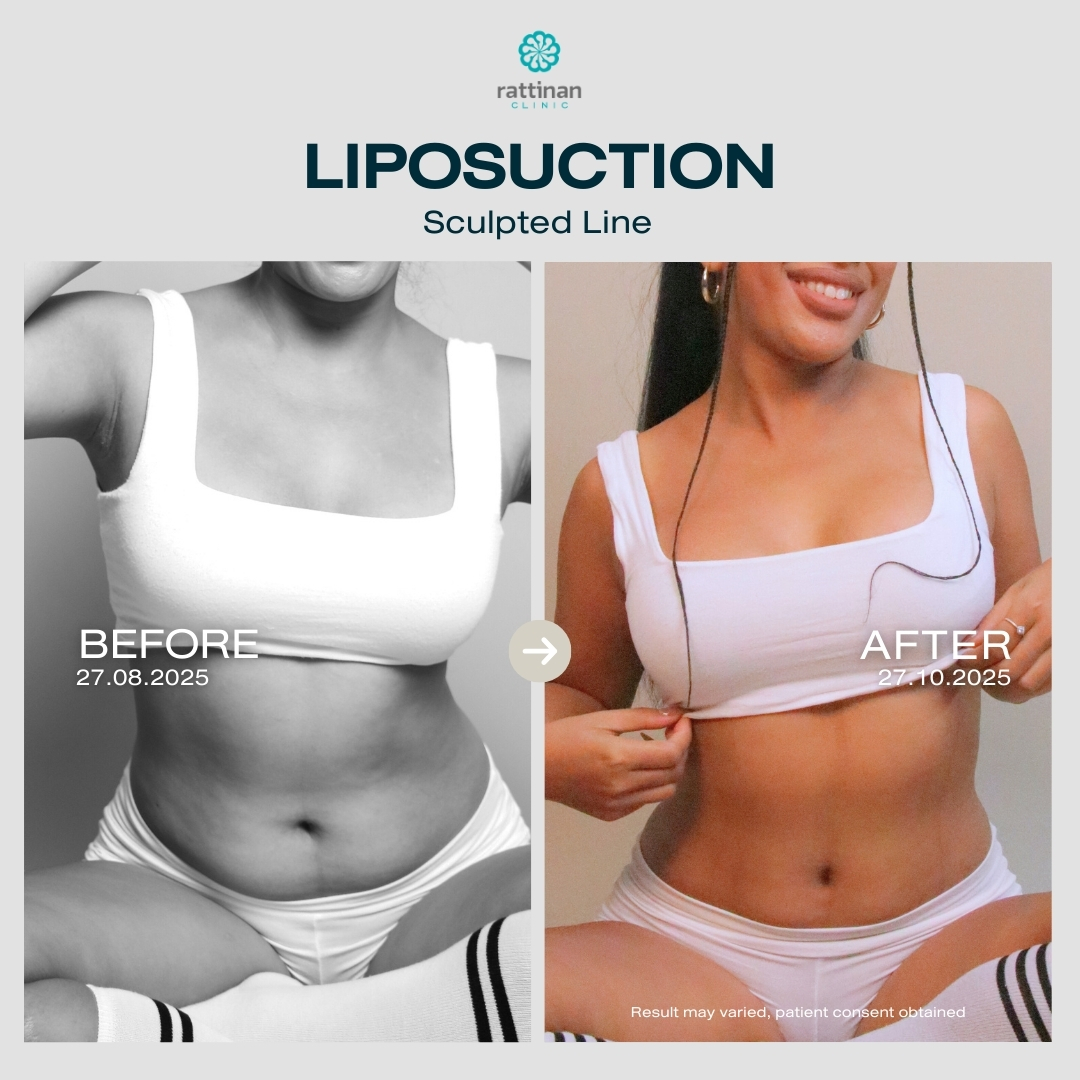
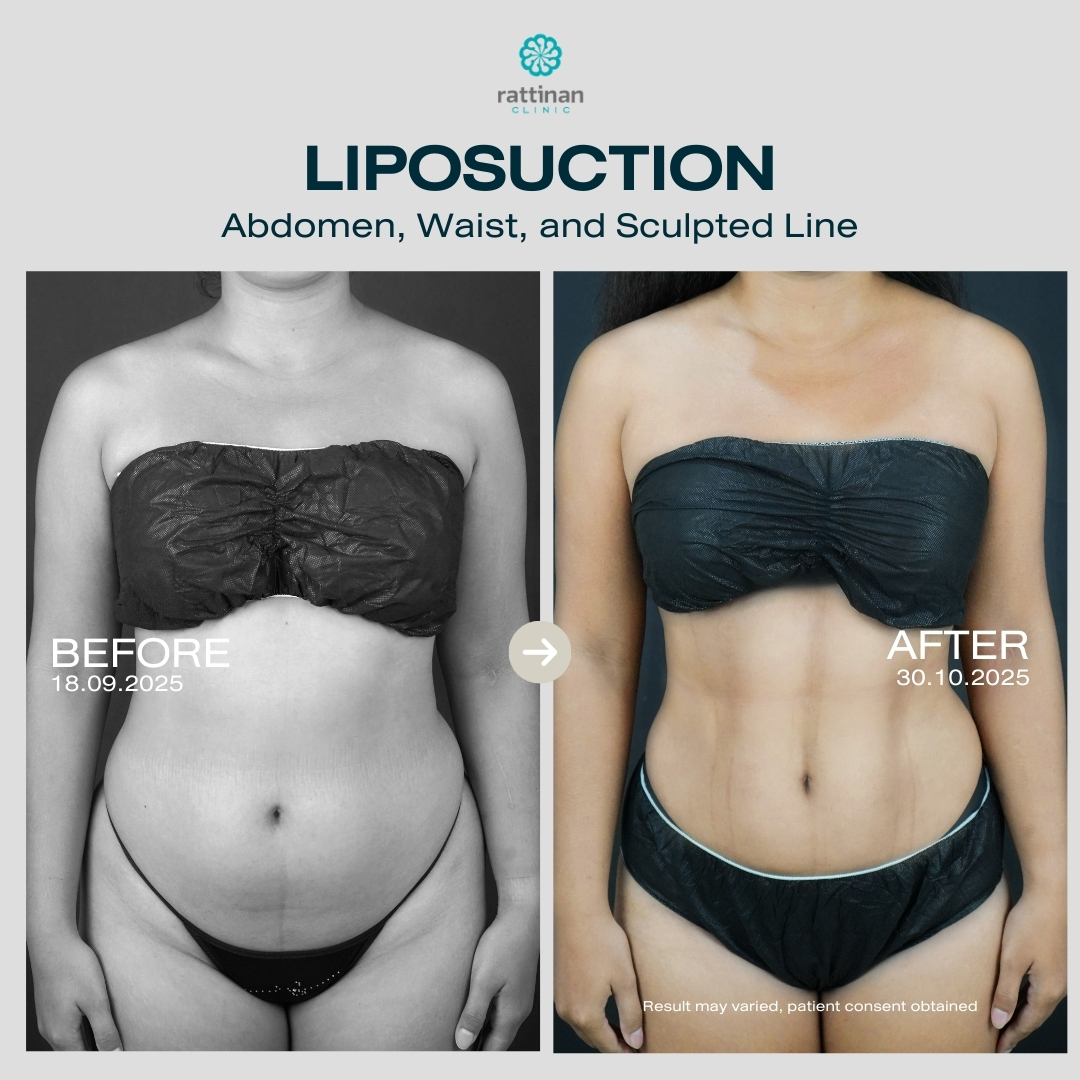
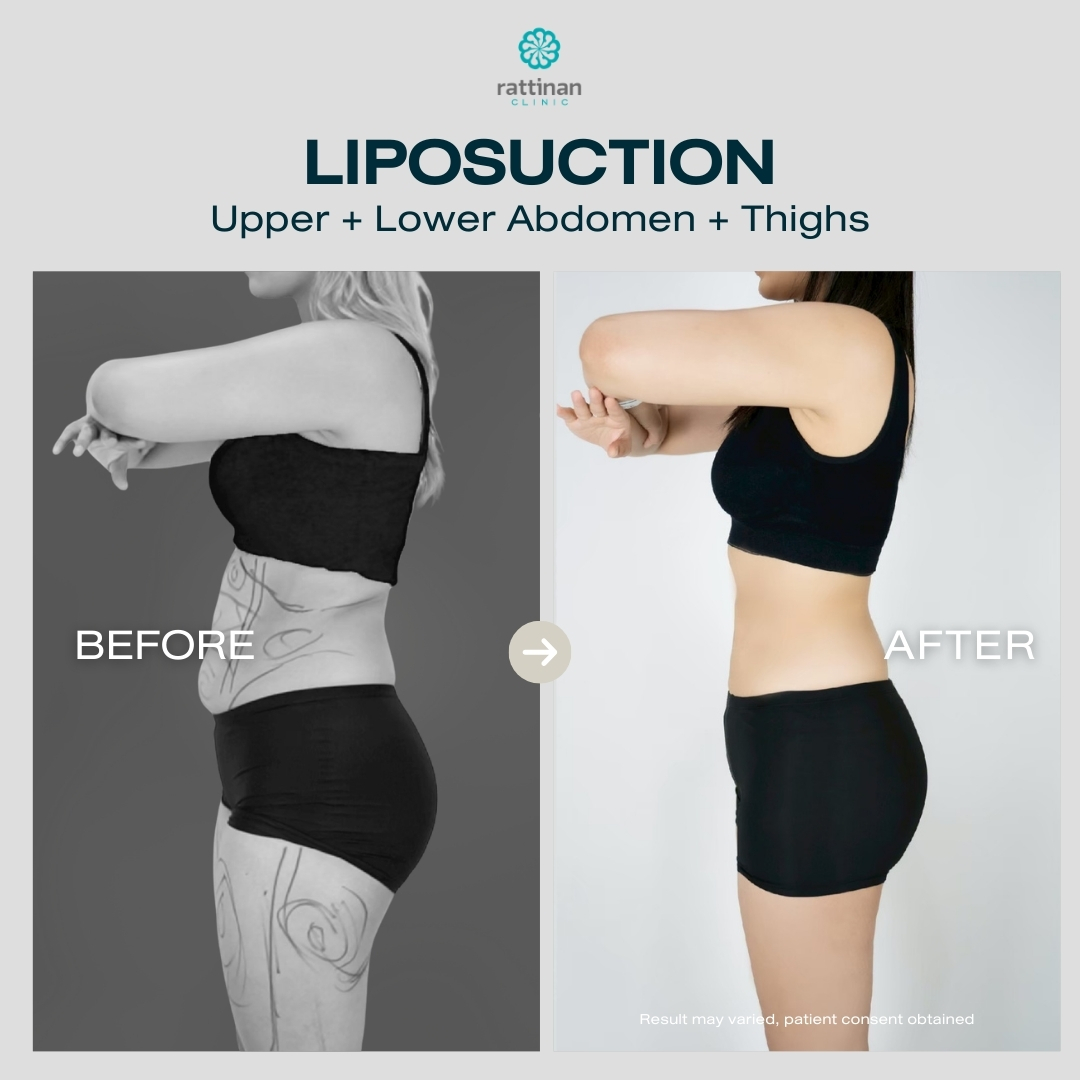
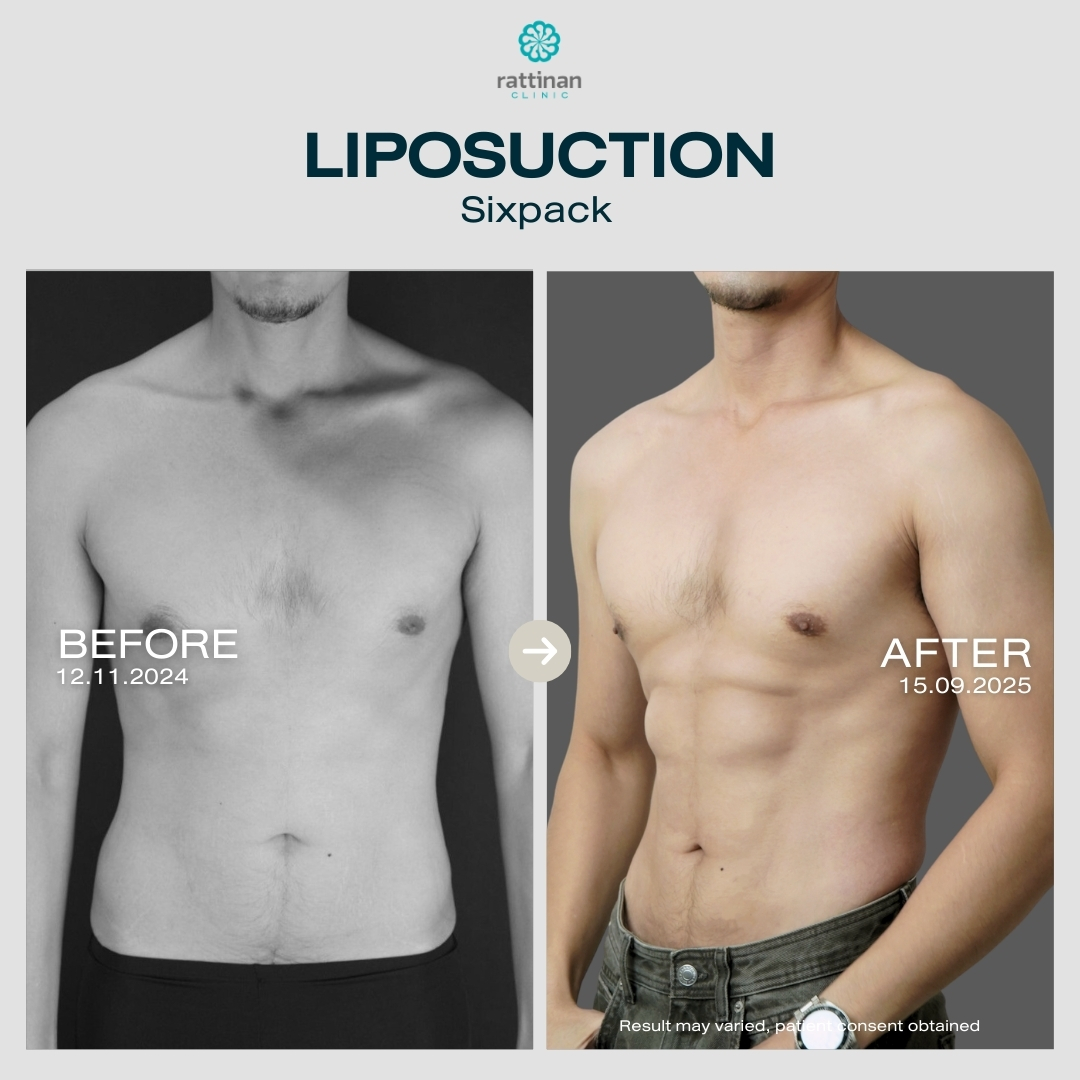
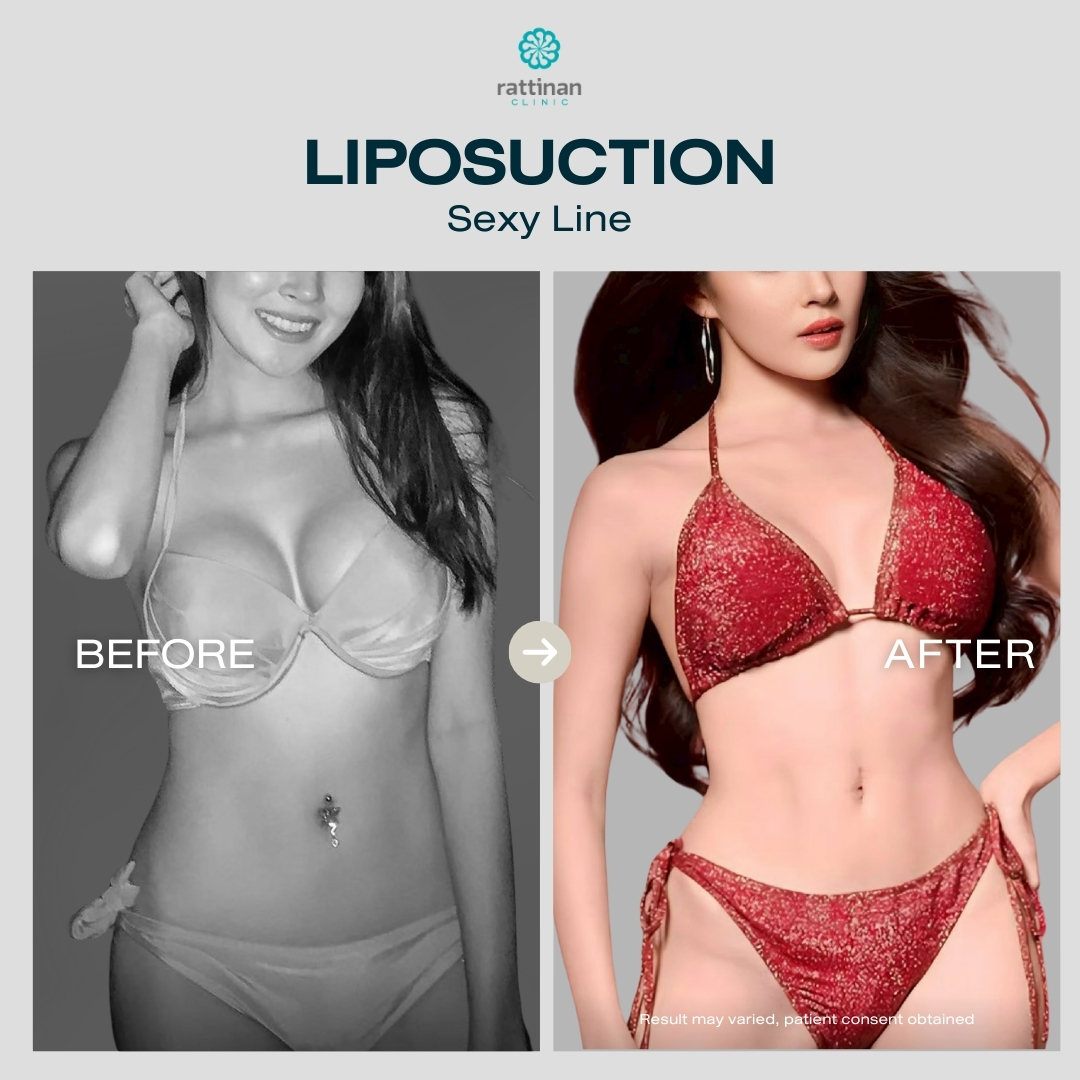
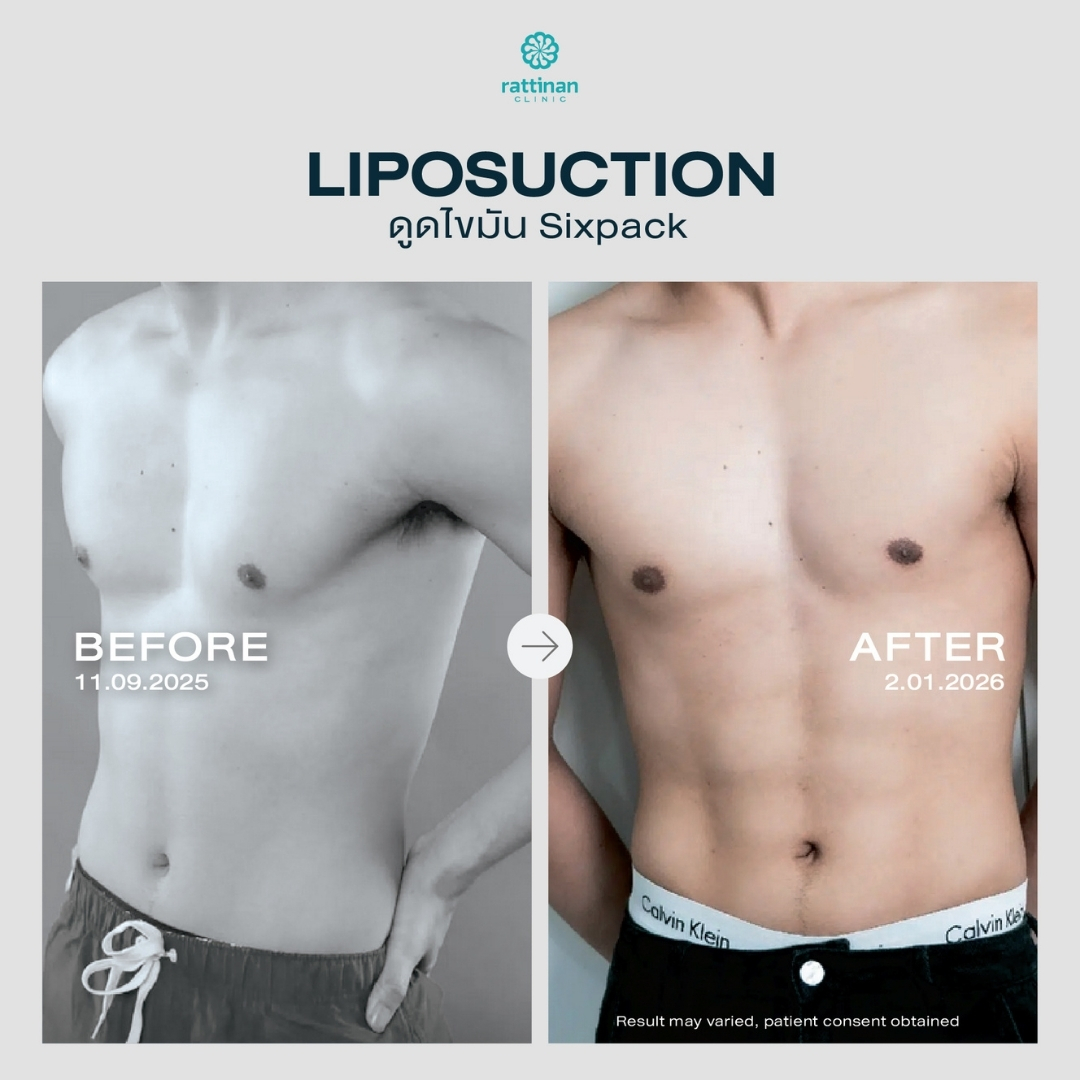
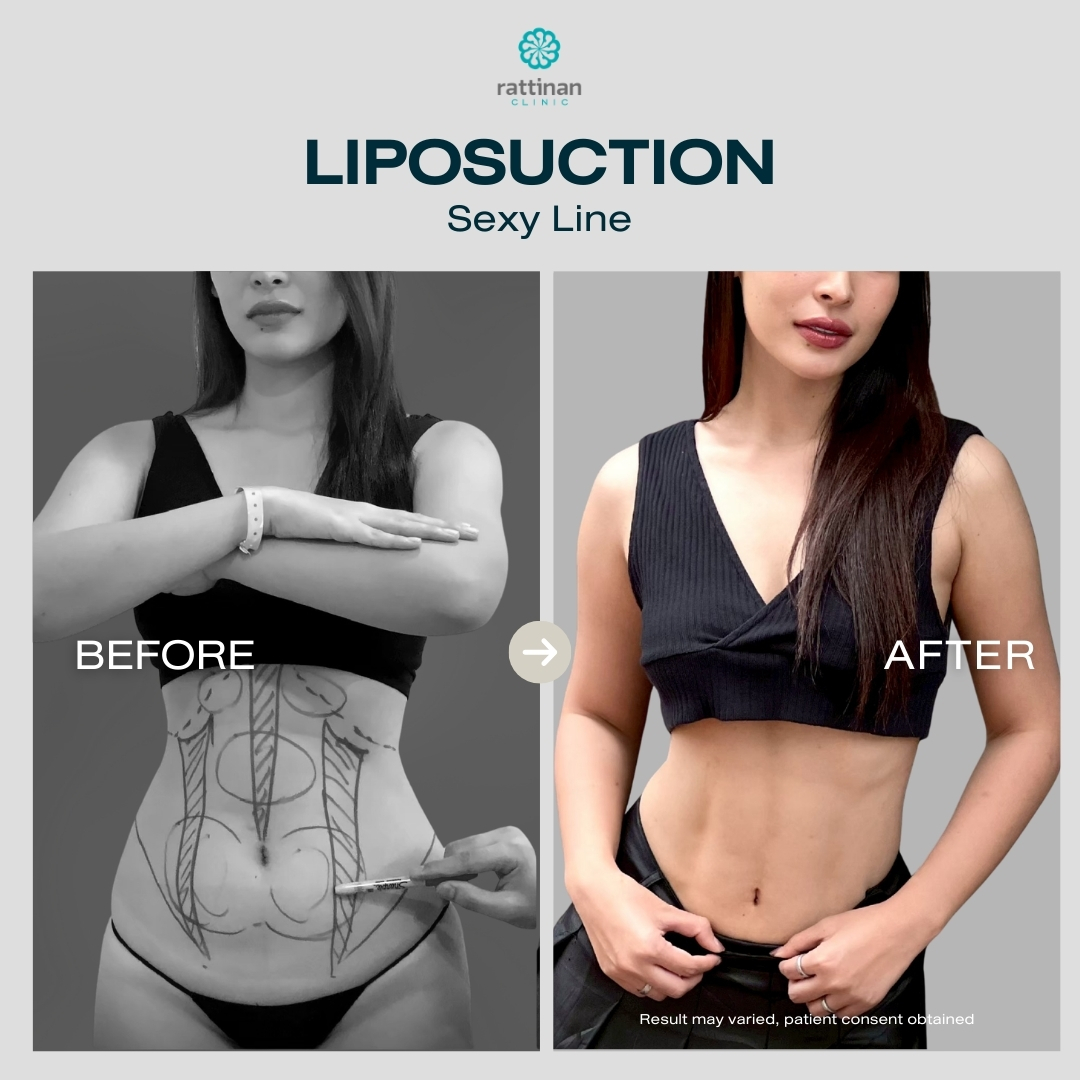
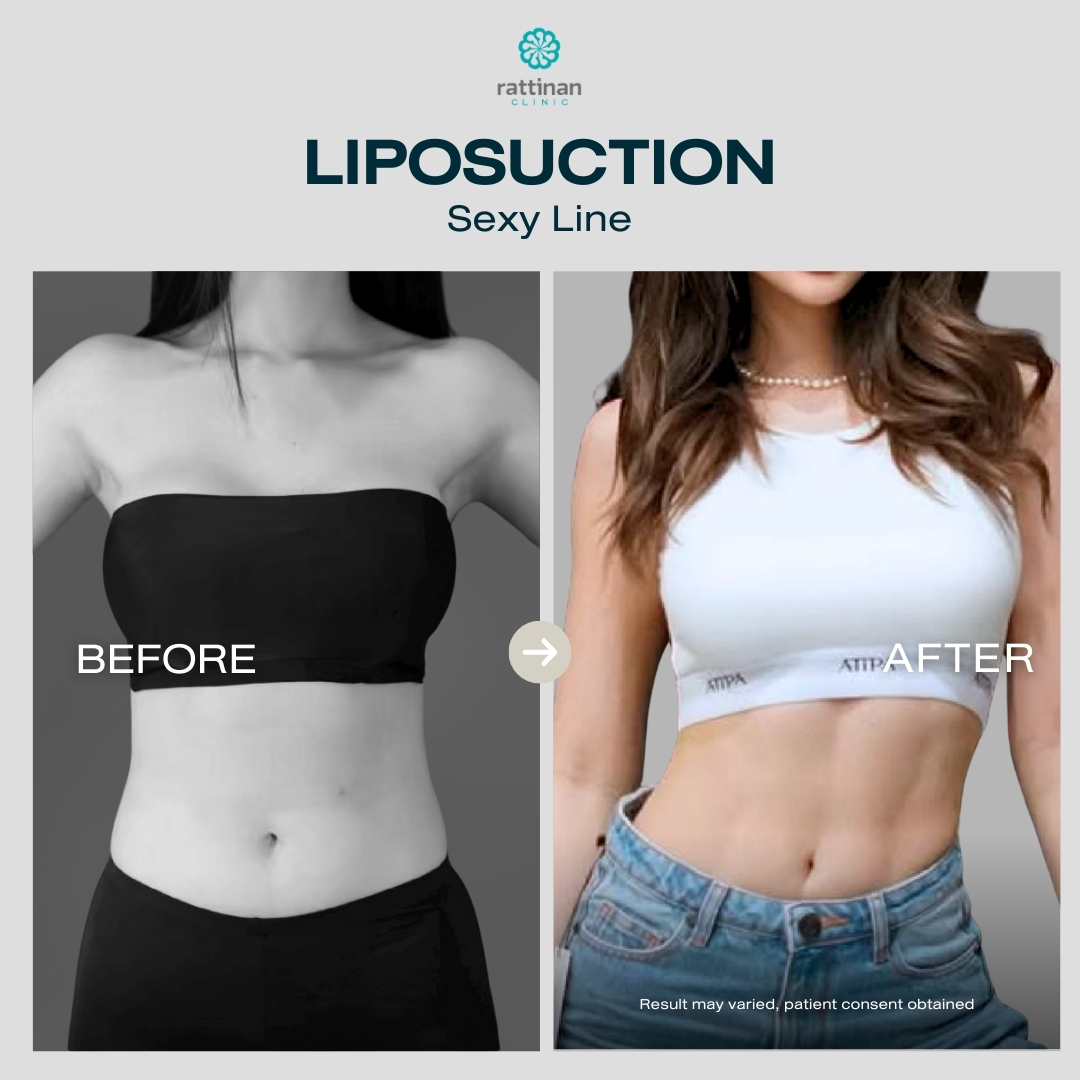
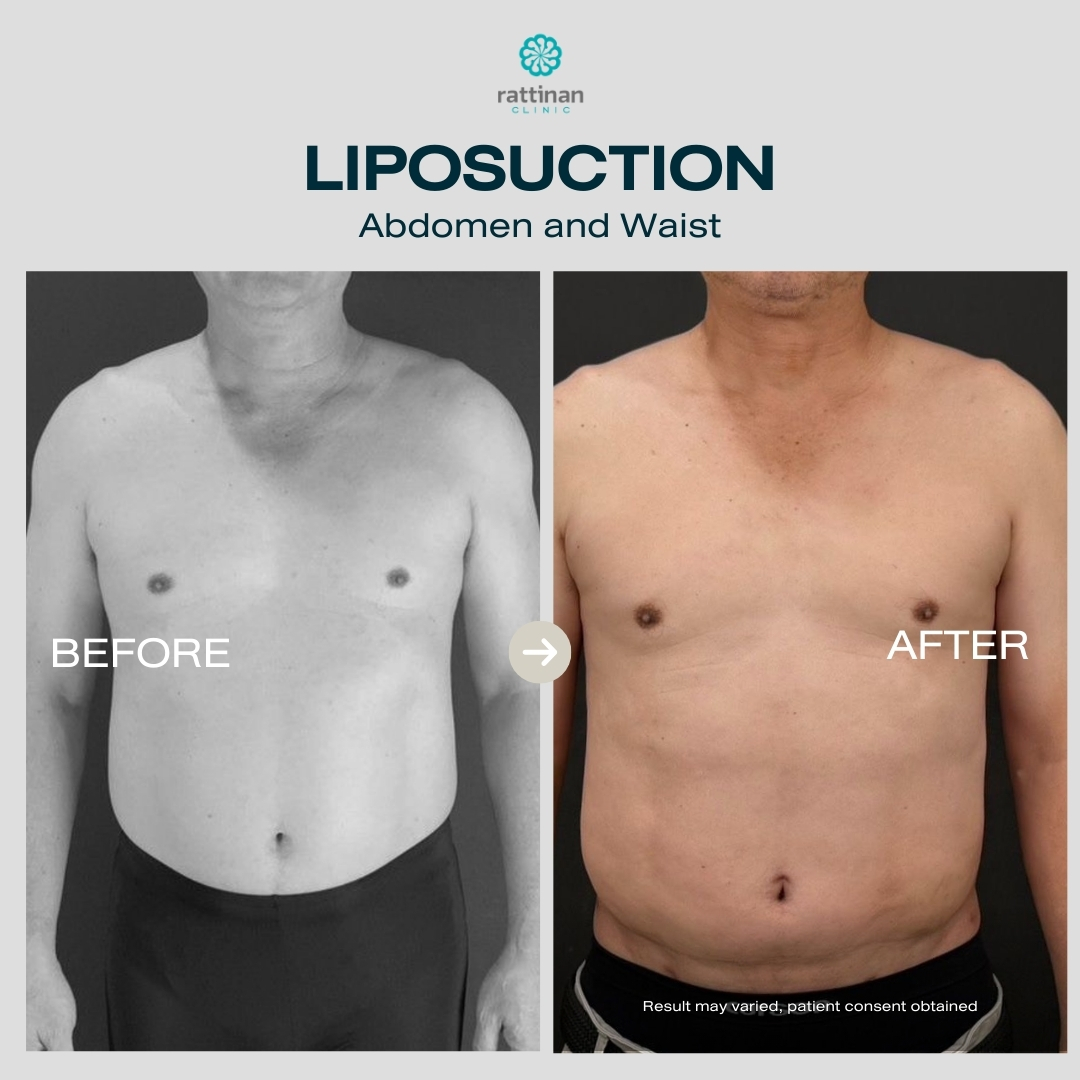
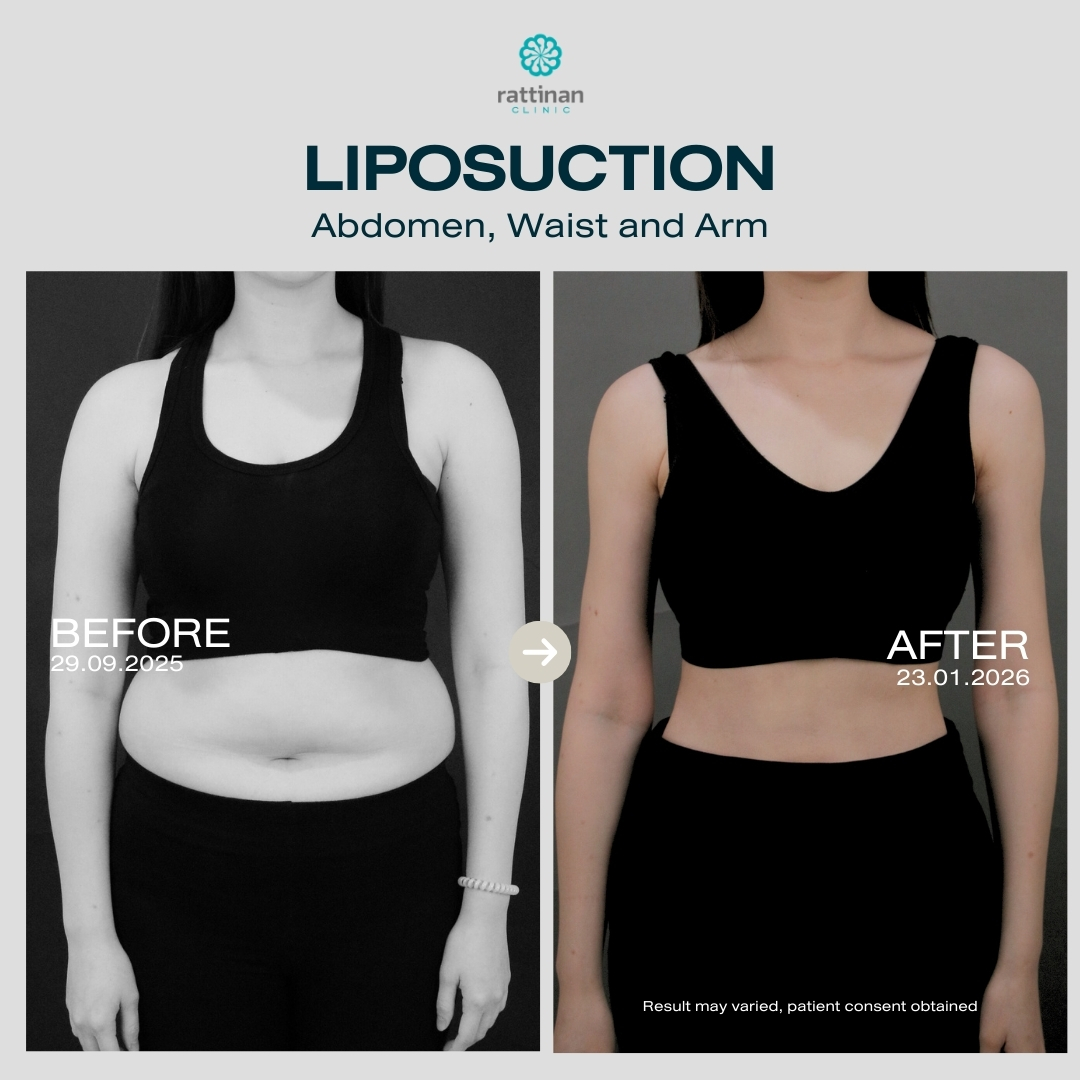
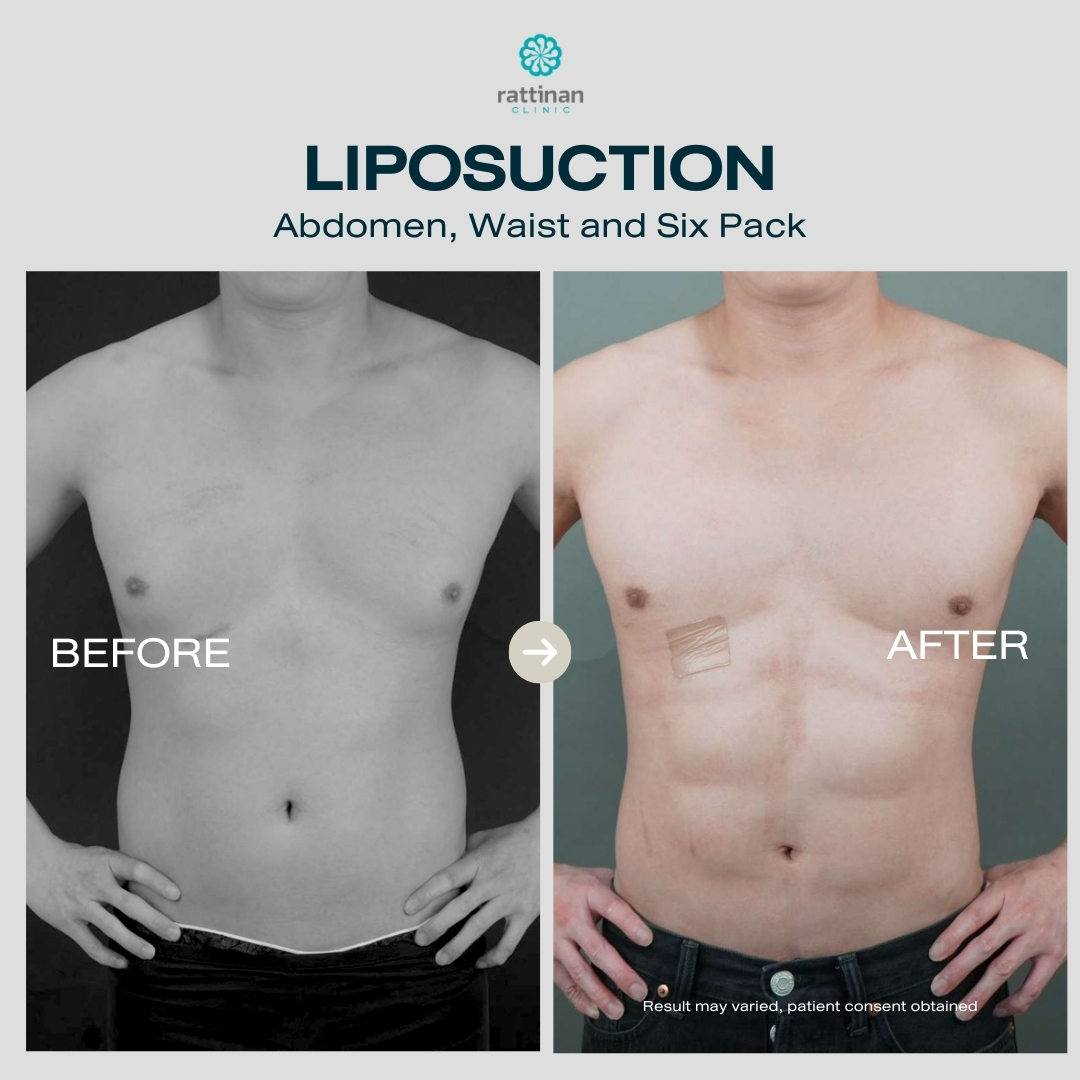
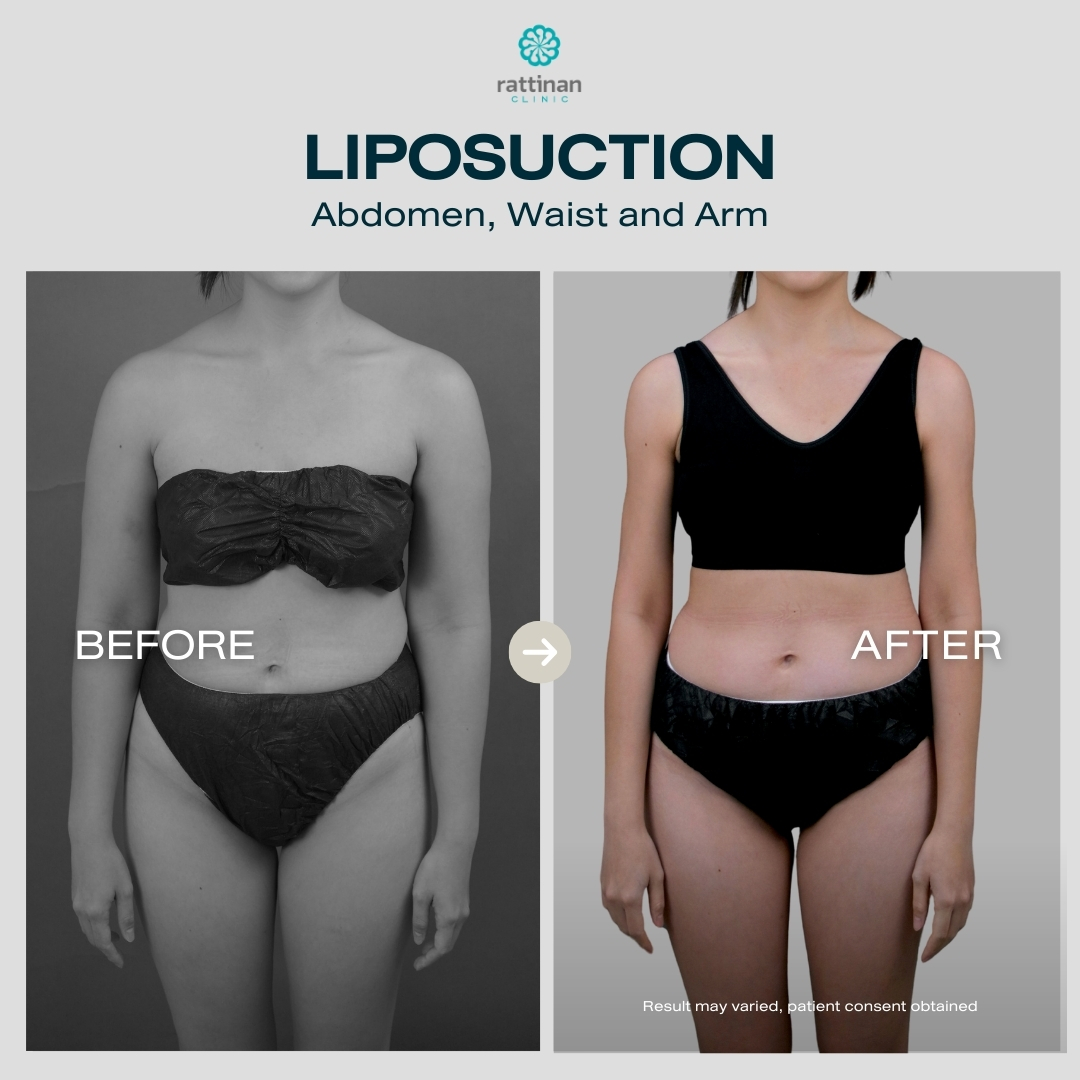
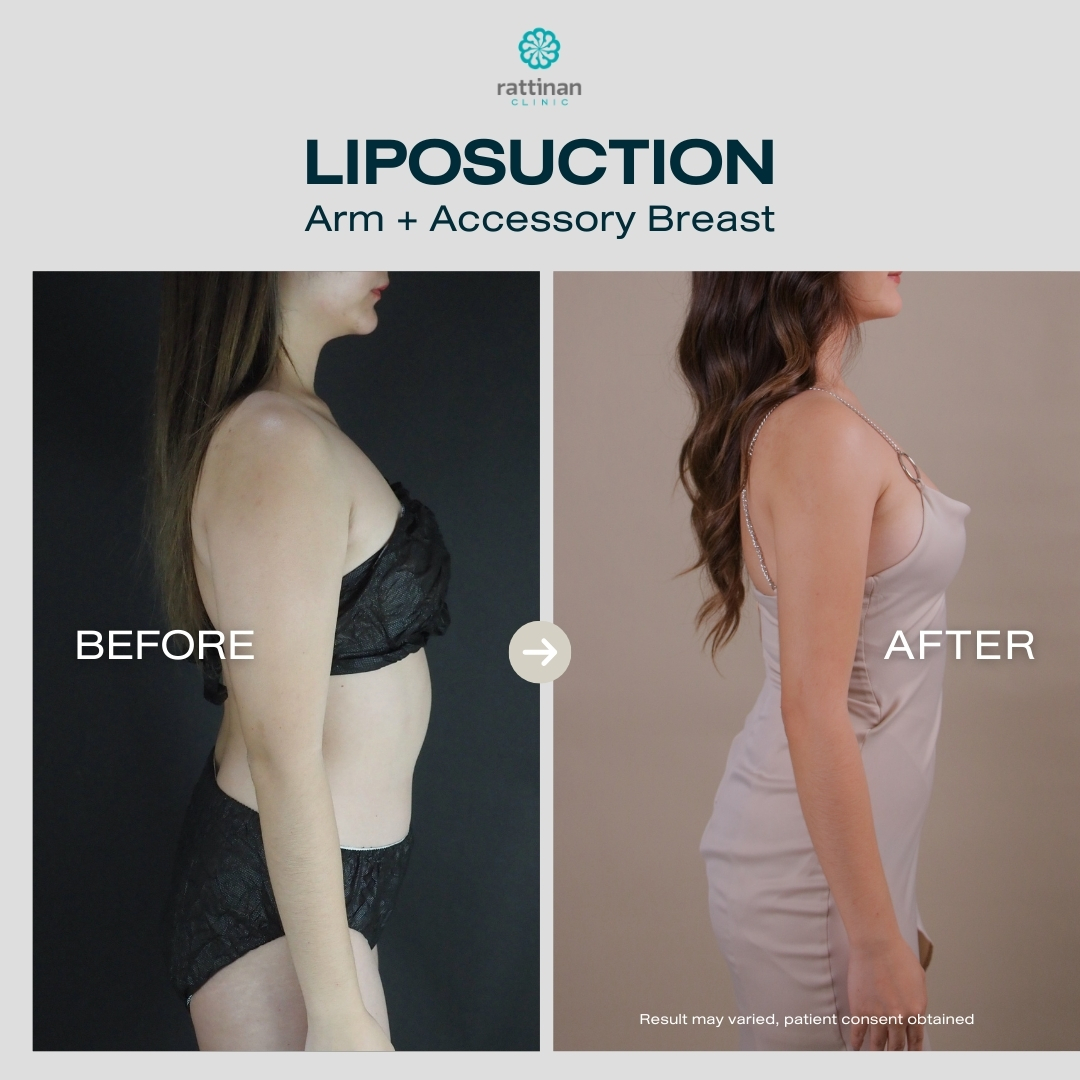
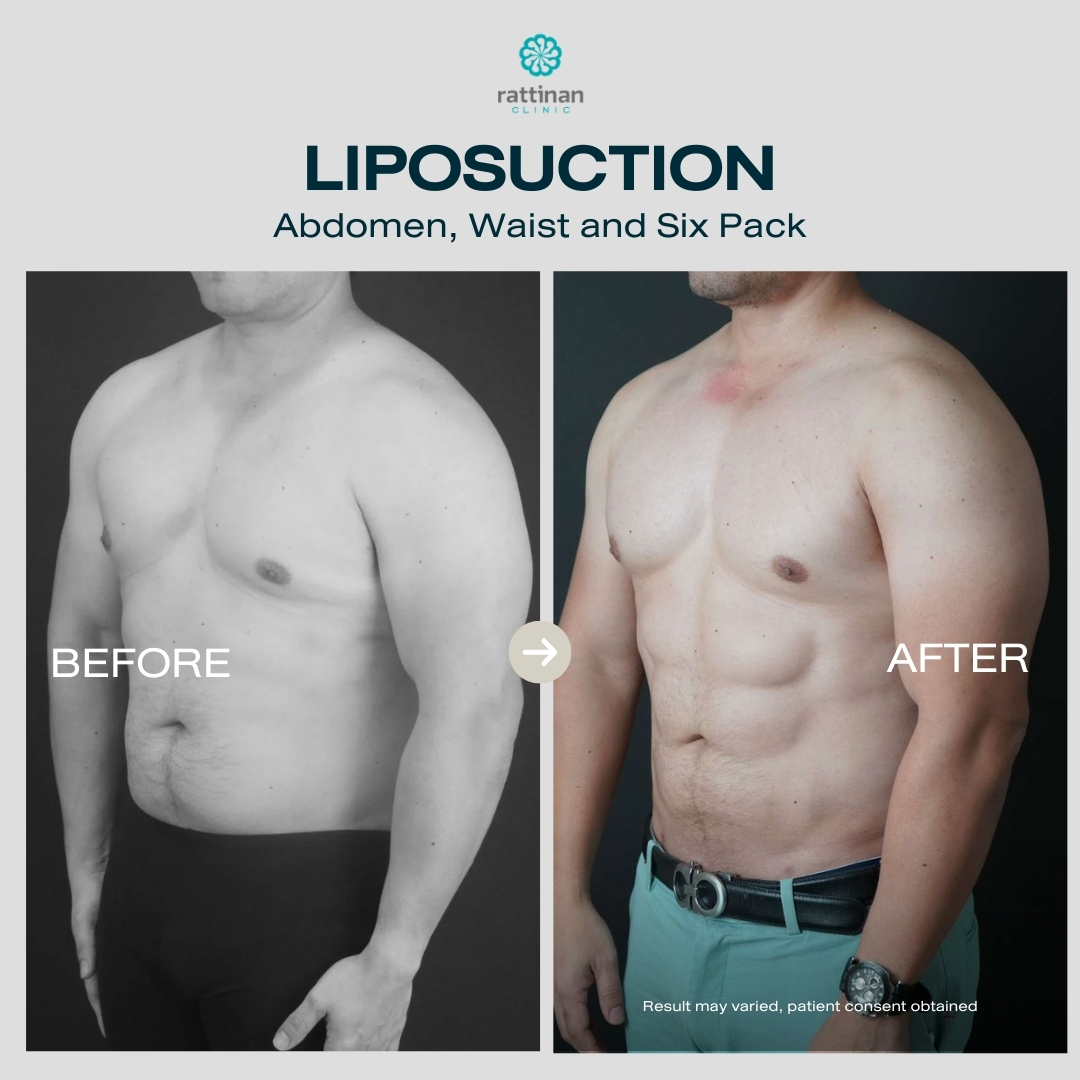
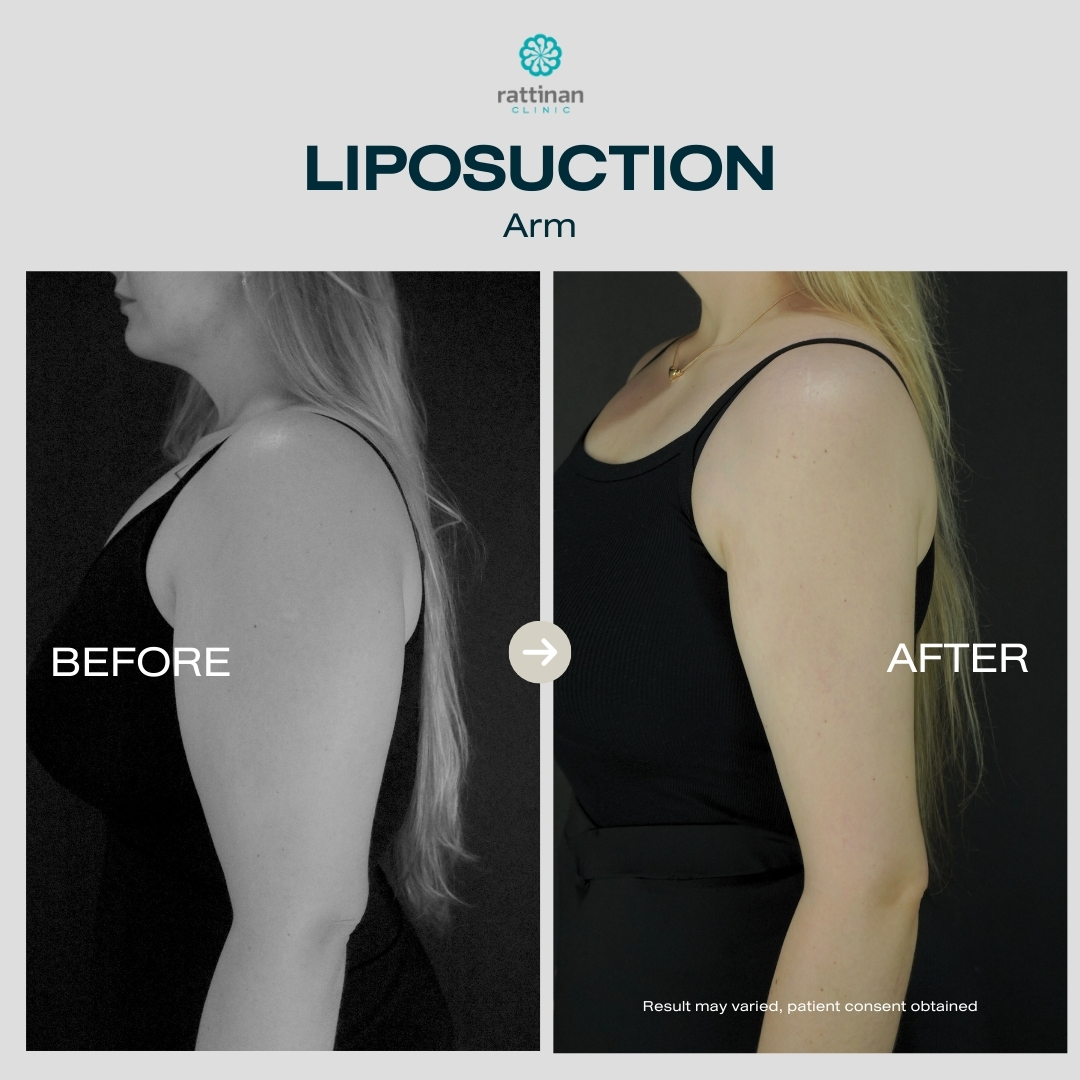
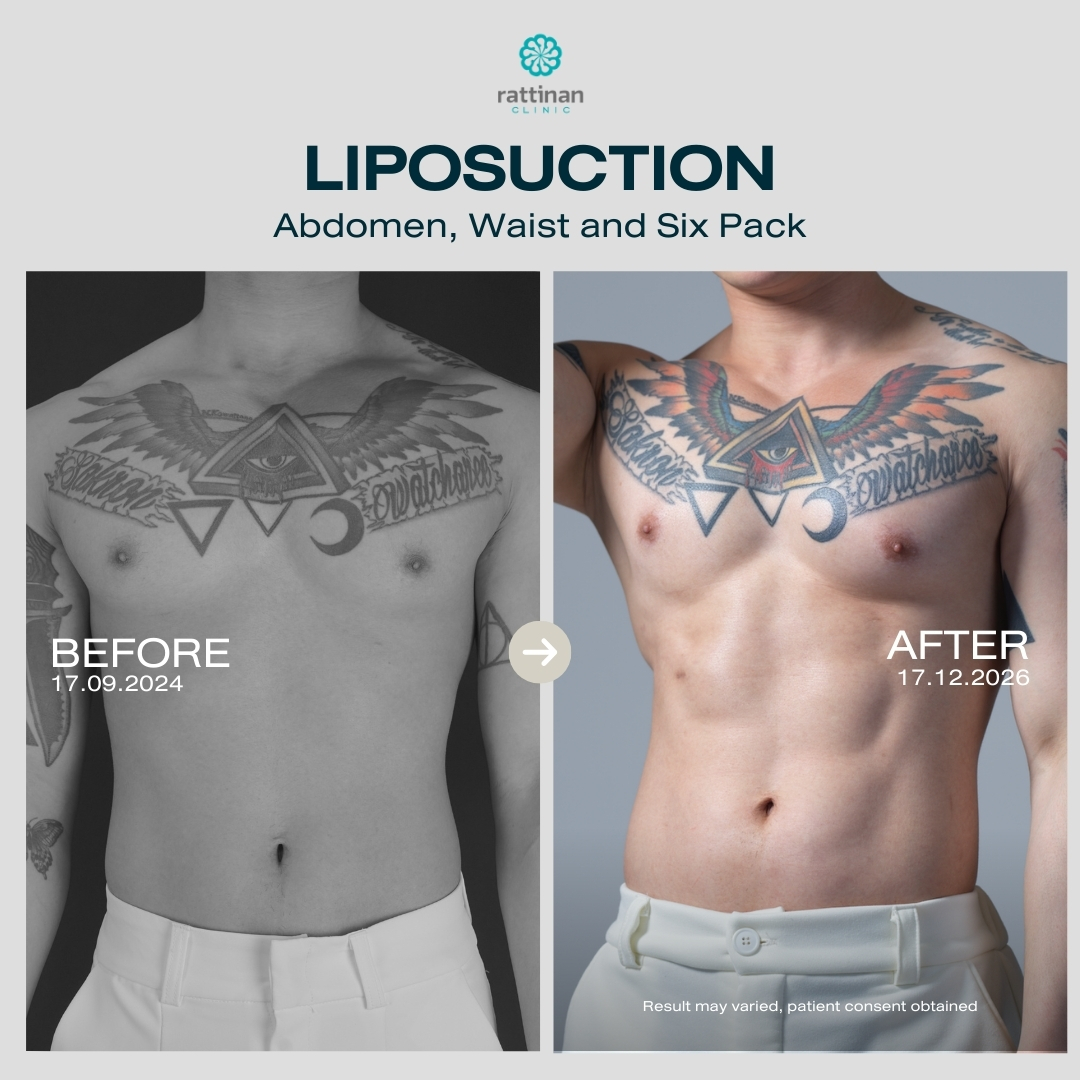
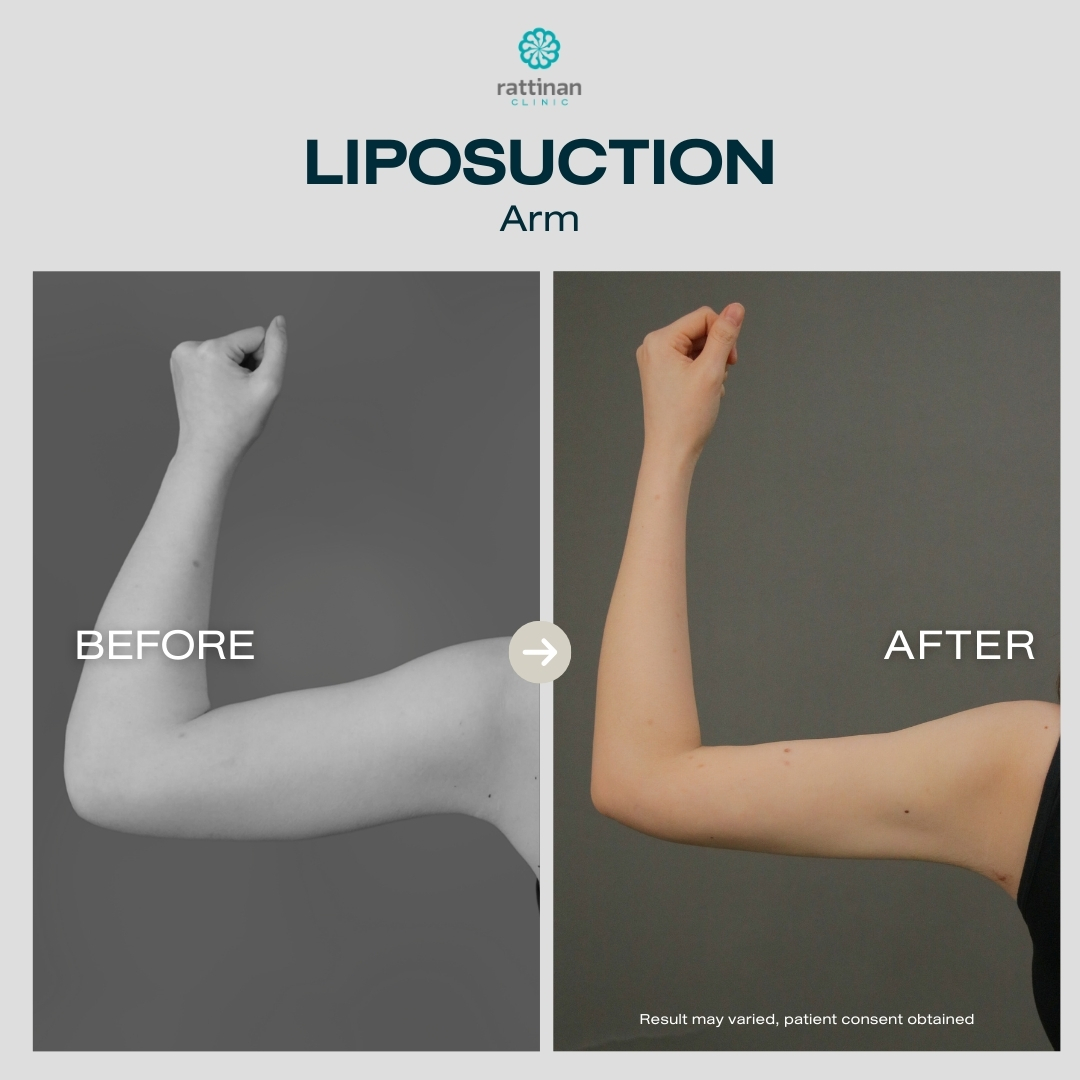
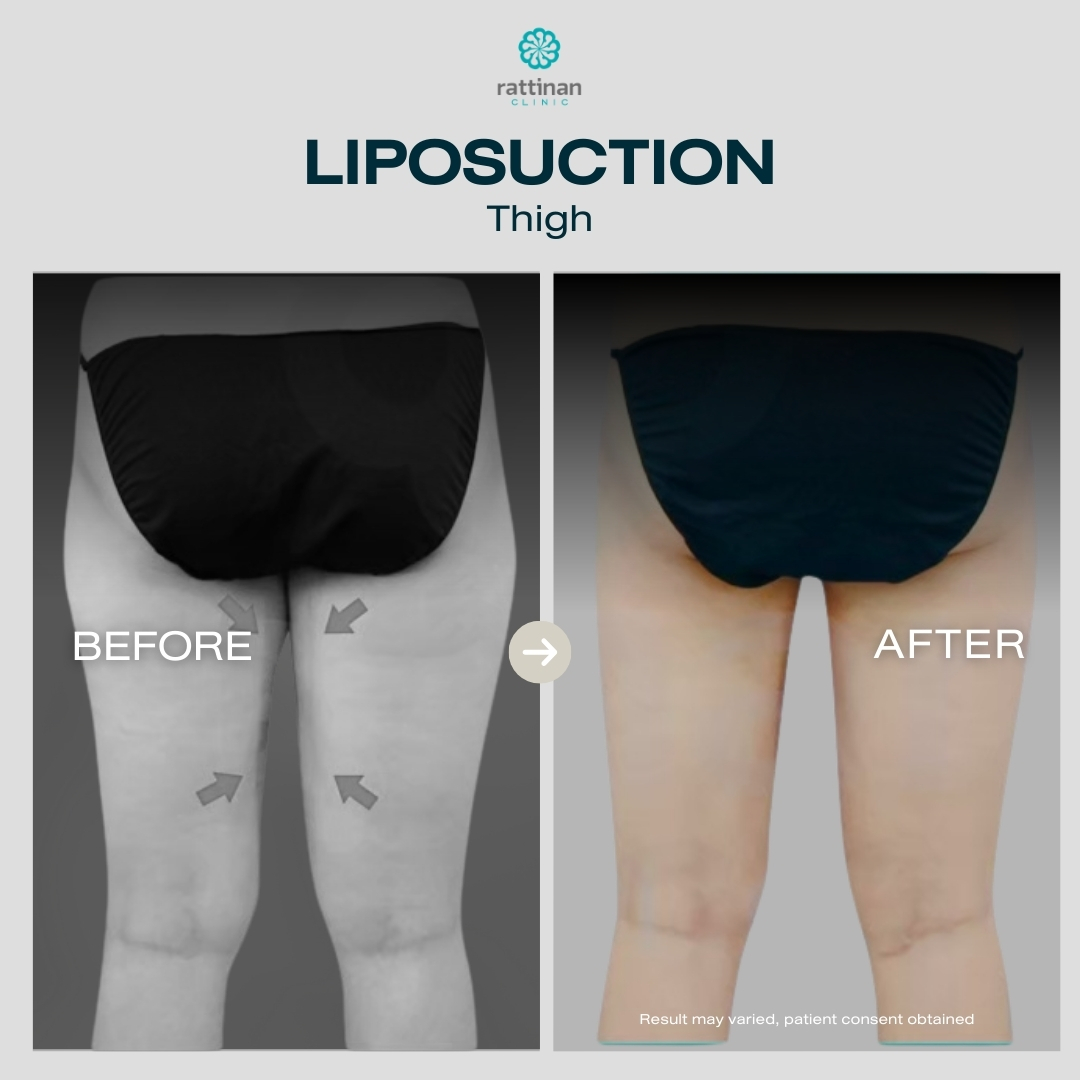
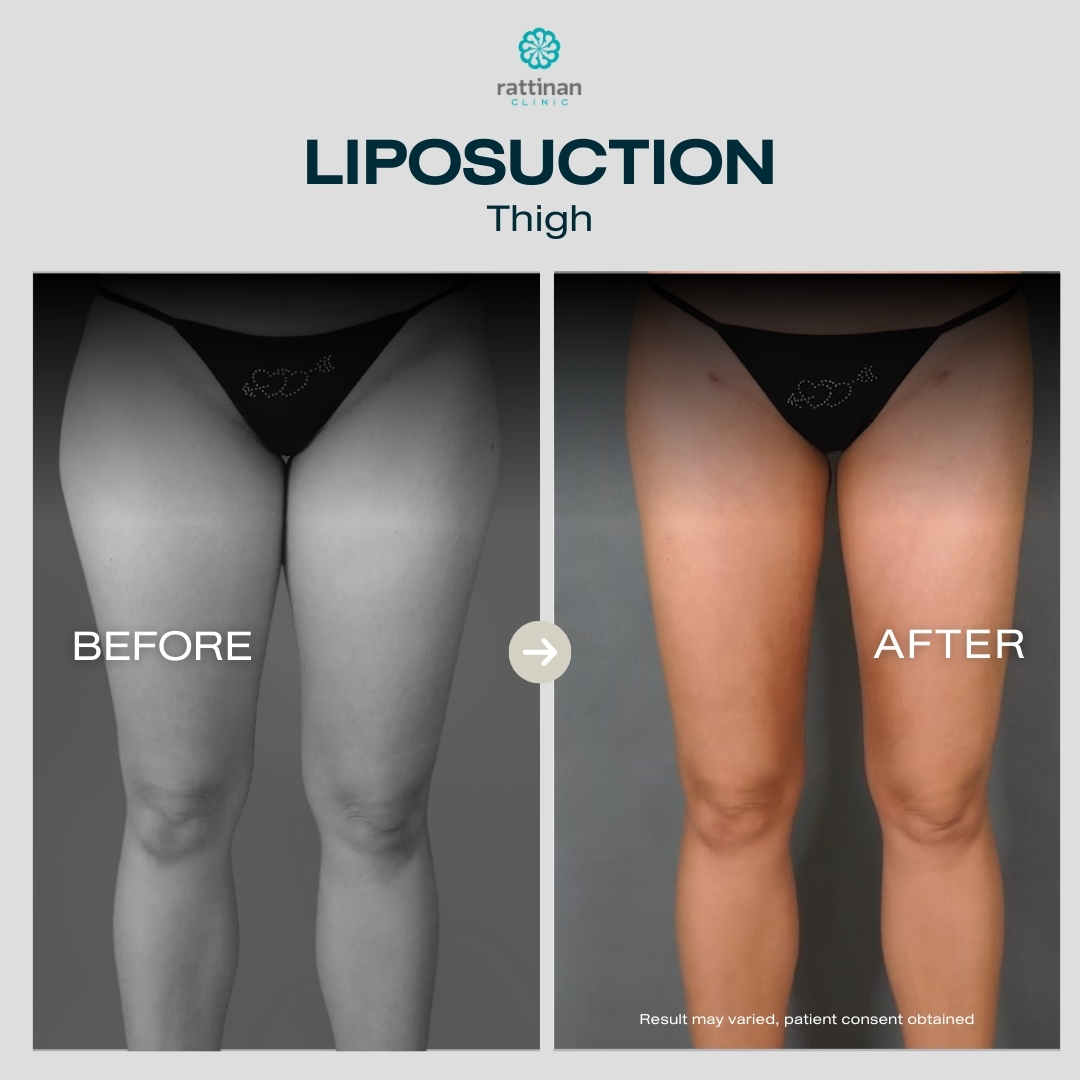
Liposuction Trends 2026
In 2026, the trend in Liposuction has shifted. It is no longer just about removing the maximum amount of fat. Instead, the focus has placed a premium on safety, natural-looking results, and post-procedural skin quality. Modern technologies have evolved to perform fat emulsification and skin tightening simultaneously in a single step. This advancement effectively addresses skin laxity, ensures a faster recovery, and allows surgeons to sculpt the body with exceptional precision.
With extensive experience in Liposuction since 1999 and a track record of over 883 cases in 2025 alone, we have identified the core principle for 2026: Personalized Technology. The key to modern body contouring lies in selecting the specific technology that best suits an individual’s unique body structure. We ensure that every procedure is thoughtfully planned under the guidance of our expert surgeons, not only for aesthetically stunning results but for long-term safety and well-being.
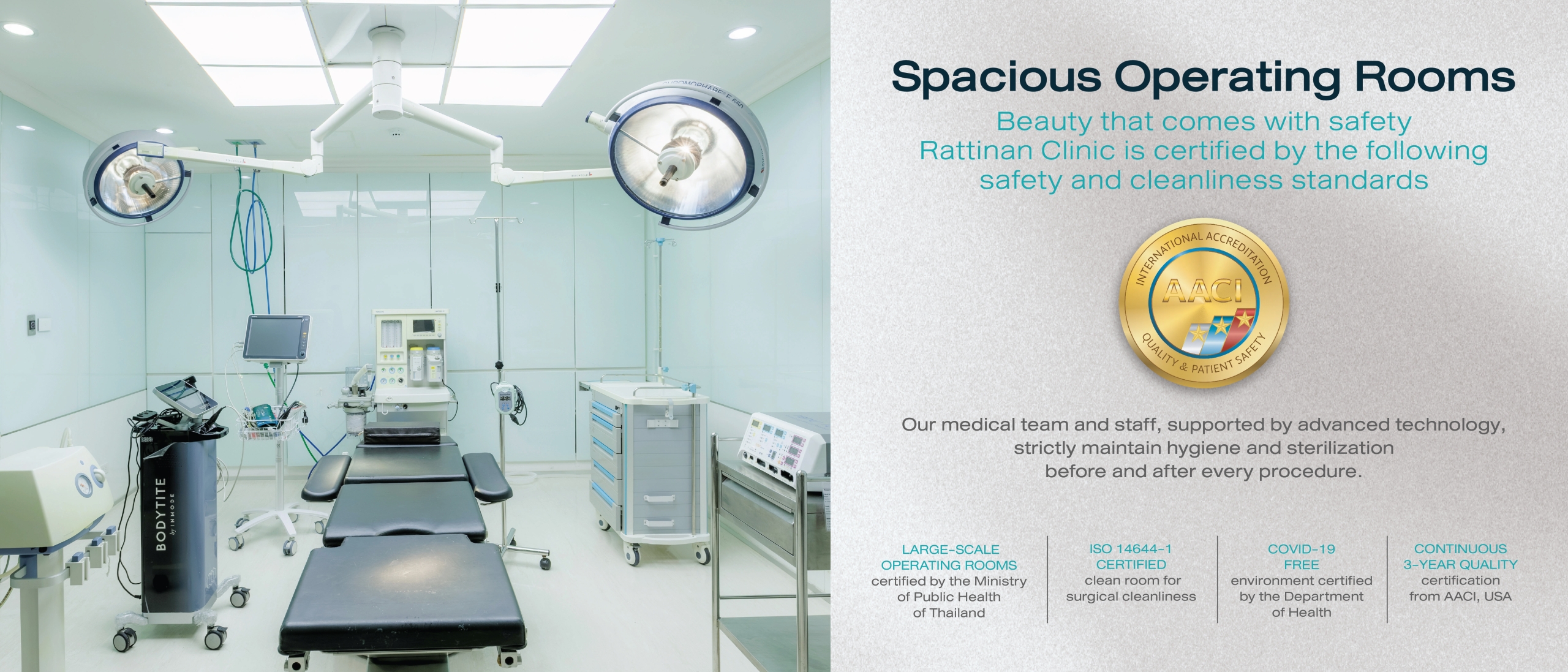


Popular Liposuction Technologies in 2026

BodyTite (RFAL) is a technology that combines Liposuction and skin tightening into a single treatment by utilizing advanced Radiofrequency (RF) energy delivered through a specialized internal cannula.
The RF energy works by liquefying subcutaneous fat while simultaneously stimulating collagen production. This triggers tissue contraction, resulting in skin that is significantly firmer and smoother.
It is the ideal solution for those concerned about post-lipo skin laxity (sagging) who desire natural-looking results.

Vaser (Ultrasound) is a technology providing precise fat removal, minimal pain, and fast recovery using high-frequency ultrasound waves to gently break down fat without damaging surrounding tissues, nerves, or blood vessels.
The benefits of Vaser include allowing surgeons to sculpt the body with high detail and precision. The results are a firm, well-shaped body with minimal pain, less bruising, and a short recovery time. It is ideal for those who want a more defined body shape while maintaining smooth skin texture.
At Rattinan Clinic, we prioritize more than just modern technology; we focus on designing personalized treatment plans.
This includes body assessment, skin structure evaluation, the selection of Liposuction techniques, and post-surgery care. Our goal is to ensure results that are beautiful, safe, and truly tailored to each individual’s body.

J-Plasma / Renuvion is a technology that uses Helium Plasma energy in combination with Radiofrequency (RF) energy to tighten skin from within without damaging surrounding tissues.
The energy causes the skin structure known as the Fibroseptal Network (FSN) to contract rapidly, resulting in immediate skin tightening after the procedure while stimulating long-term collagen production. It is for those with skin laxity issues after Liposuction or those who wish to enhance their results for firmer and tighter skin.

How Liposuction Works to Remove Fat Cells from the Body?

Liposuction removes localized fat using a “Cannula,” a small tube designed to safely penetrate the subcutaneous fat layer.
The surgeon begins by administering local anesthesia or, in some cases, general anesthesia, depending on the area being treated. The surgeon then inserts the cannula into the fat deposits. The end of the tube is connected to a vacuum machine, which continuously suctions fat cells from the body.
That’s why Liposuction helps reduce fat in specific areas, creating a more proportionate body contour and boosting confidence without the need for overall weight loss.
Based on the extensive experience of our Liposuction specialists since 1999, Rattinan Clinic understands that body contouring can help people achieve a firmer, more proportionate silhouette. This is effective for those who have reached their goal weight through diet and exercise but still struggle with “stubborn fat” deposits. When traditional methods reach their limit, many turn to “localized Liposuction” to precisely address these problem areas.
Common Areas and the Most Popular Areas for Liposuction

Normally, the human body has “fat storage zones” determined by genetics. Areas such as the abdomen, waistline, thighs, upper arms, and double chin are often the first places the body chooses to store fat. Also, they are the last places to let it go, even with strict dieting or intense exercise. This is why we refer to this as “Stubborn Fat.” The most popular areas for Liposuction include:
- Abdominal Liposuction
- Waist and Love Handles Liposuction
- Thigh Liposuction
- Arm Liposuction
- Chin and Neck Liposuction (or Double Chin Liposuction)
The reason these 5 areas are the most popular is that they directly define a person’s silhouette. Removing fat from these spots, such as sculpting a waistline or eliminating a double chin for a sharper jawline, creates a transformation as natural and precise as masterful sculpting. This significantly boosts self-confidence and allows one to wear clothes with greater elegance.
At Rattinan Clinic, we always emphasize that Liposuction is not a weight-loss method. Instead, it is about rebalancing body proportions to achieve the perfect silhouette tailored to each individual’s unique structure.
Why Abdominal Fat Is Difficult to Lose and How Liposuction Provides the Solution
Body fat is lost in a specific sequence, not just where you want it to. When you lose a kilogram, fat typically disappears from your hands and feet first, then moves to your face, neck, and upper chest, leaving the lower abdomen for last. But when you gain weight? That lower belly fat is always the first to show up.
This means you’d have to lose facial and upper-body fat before your abdominal fat. This often leads to hollow cheeks and sunken temples, making you look gaunt or unwell.
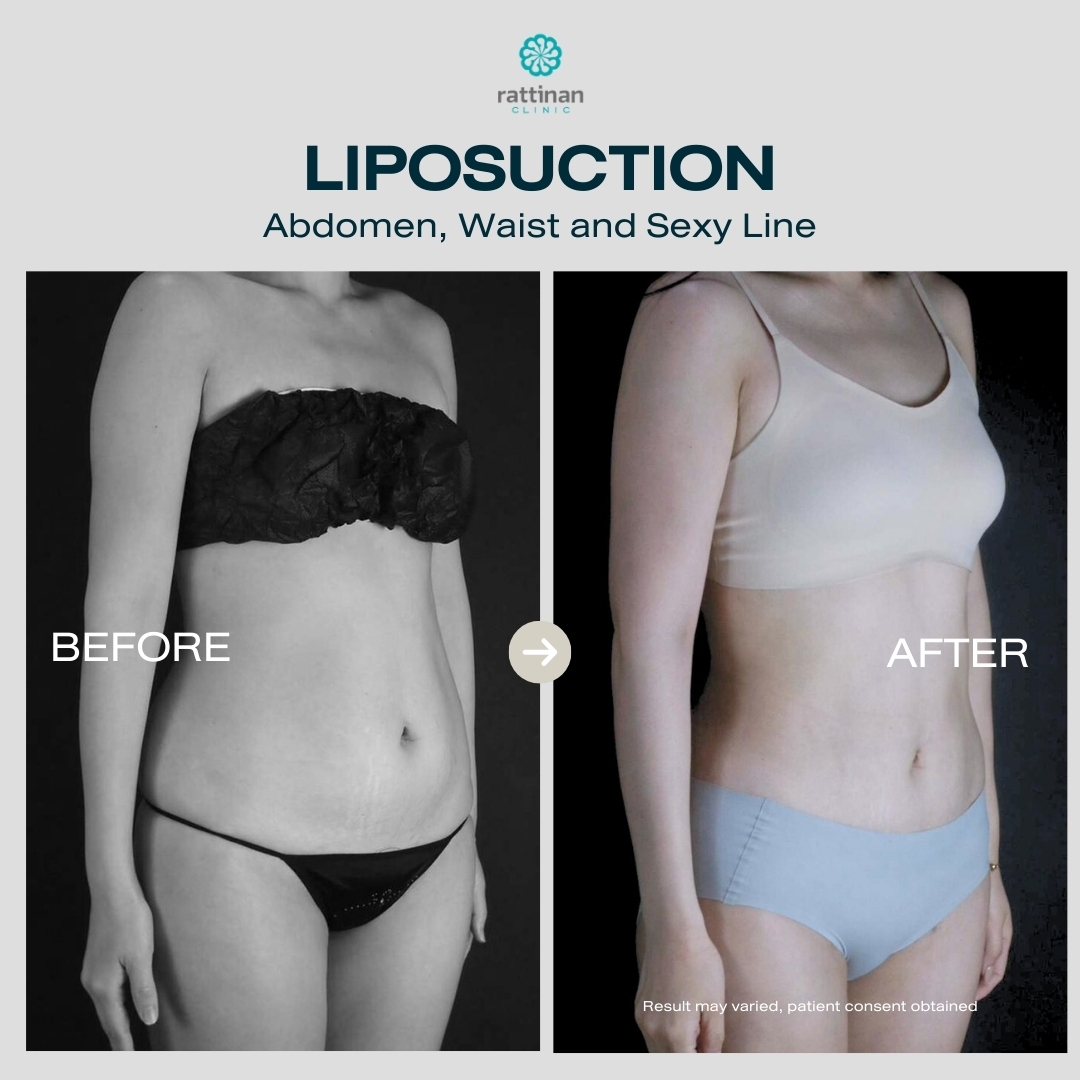
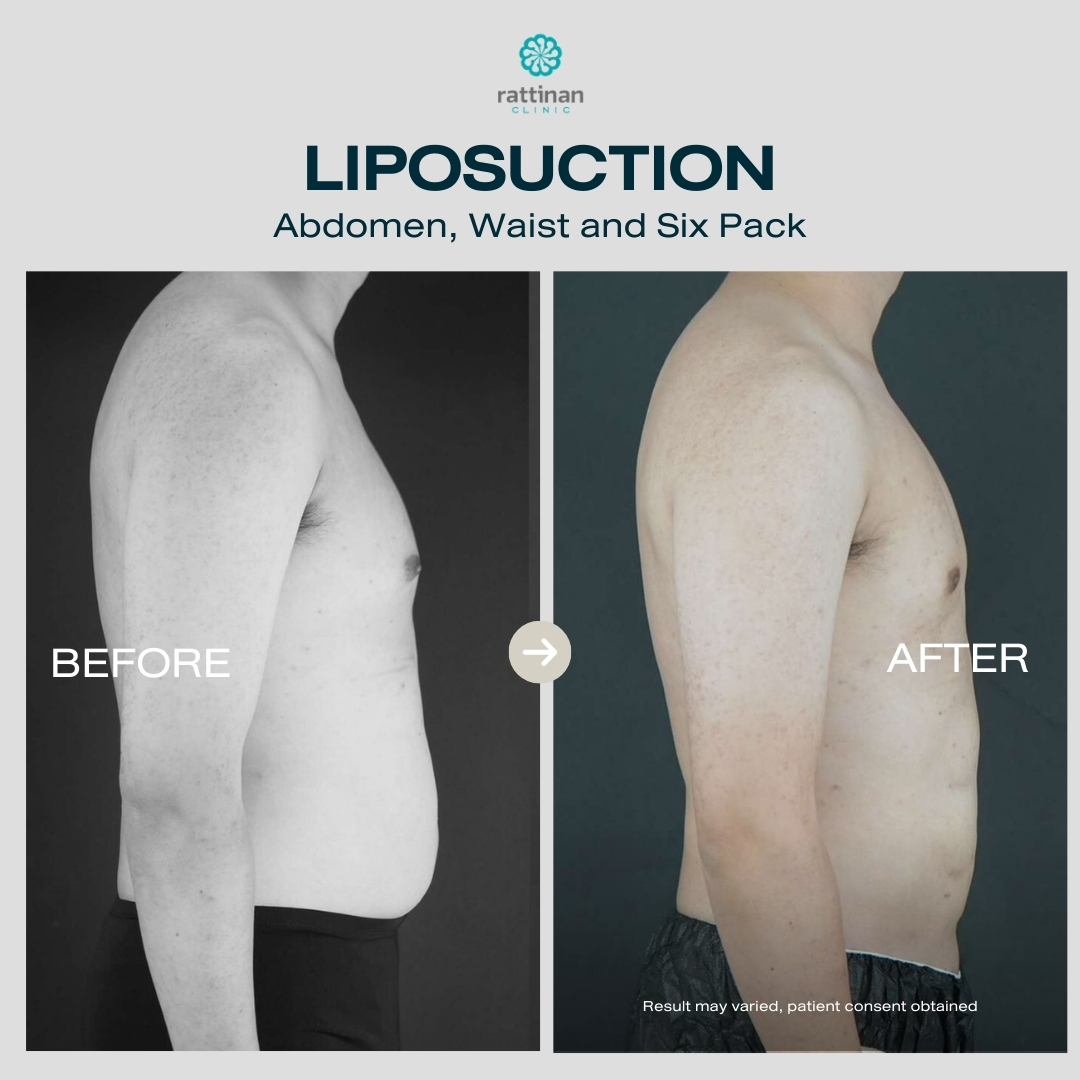

Doctor’s Note by SUTHIPONG TREERATANA, M.D.
“People with a normal weight normally have 19–25% body fat. While not considered obese by BMI standards, a protruding belly is often still visible. Achieving a truly flat stomach requires dropping fat to 12–15%; however, for those over 35, reaching that level can cause under-eye bags, a loss of facial collagen, and a gaunt appearance, even before the belly is flat.
This is why abdominal Liposuction is the most popular and worthwhile procedure. It removes localized fat without requiring overall weight loss, sparing your face from looking aged while delivering clear, permanent results.”
How Liposuction Helps with Hip Fat
Hip or Flank Liposuction is another top choice for women, especially those with a pear-shaped silhouette, characterized by wider hips and slimmer legs. This body type often makes finding well-fitting clothes difficult. For example, trousers may fit the legs but fail to button at the waist. Many attempt to slim this area through exercise without success, as this “localized fat” is naturally resistant to weight loss. From our extensive experience at Rattinan Clinic, we have found that “Hip Liposuction effectively balances proportions, making your clothes fit and look significantly better.”
Why Thigh Fat Is Difficult to Lose and How Liposuction Provides the Solution
Thigh and calf fat are among the most difficult areas to reduce, especially the inner and outer regions, where accumulation is largely genetic. Exercise alone often fails to give the desired results. Thigh Liposuction helps slim the legs for a more tapered look and creates a natural, aesthetic “thigh gap.” More importantly, in some cases, the issue is not simply weight gain but a condition called Lipedema, which is an abnormal fat accumulation that often causes pain and a heavy sensation in the legs.
Doctor’s Note by SUTHIPONG TREERATANA, M.D.
“Many patients experience fat accumulation from their thighs down to their calves, often suffering from persistent leg pain throughout the day. Some have sought treatment from various specialists, including neurologists who prescribed medication for fat cell inflammation without relief.
However, upon undergoing Liposuction, their chronic pain subsided immediately. By removing the inflamed fat cells, we effectively eliminate the root cause of the discomfort.
This demonstrates that leg Liposuction is not just about body contouring; it is a solution for relieving chronic pain caused by abnormal fat deposits.”
Why Arm Fat Is Difficult to Lose and How Liposuction Provides the Solution
Arm fat typically accumulates from the shoulders down to the elbows, and in some cases, extends up toward the collarbones. This makes the upper body appear larger and can cause a lack of confidence in clothing, even for those who are not overall overweight.
Arm Liposuction slims the upper arms without the need for restrictive dieting. Interestingly, when fat is removed from the entire arm, including the underarm area, it naturally enhances the appearance of the breasts. By flattening the surrounding side profile, the chest becomes more prominent, even without breast augmentation.
Doctor’s Note by SUTHIPONG TREERATANA, M.D.
“Arm Liposuction is suitable for both men and women, though the aesthetic goals differ.
For men, who often have muscle mass hidden beneath a layer of fat, we focus on high-definition sculpting to sharpen the shoulder contours and create a more masculine look.
For women, the goal is typically to slim the arms without the need for restrictive dieting. Our specific technique involves leaving the incisions slightly open to allow for optimal lymphatic drainage, which significantly reduces bruising and swelling. Most of our patients say they have a ‘painless’ experience, noting that they feel no discomfort unless the area is firmly pressed.”
How Axillary Liposuction Helps with Underarm Fat Accumulation
“Axillary Fat” refers to the fatty bulges found in the underarm area. This condition can affect people of all ages and is caused by hormonal factors. Many people mistakenly believe these lumps are swollen lymph nodes or tumors, but they are actually stubborn fat deposits that are incredibly difficult to lose through diet and exercise alone.
There are 2 treatment options, depending on the individual’s skin condition:
- Liposuction only is ideal for cases where there is no significant excess skin.
- Liposuction with skin excision is ideal for cases with a high volume of fat and significant sagging skin (the incision is carefully hidden under the armpit, making the scar invisible).
Doctor’s Note by SUTHIPONG TREERATANA, M.D.
“The key to treating is identifying the specific type. If there is a significant bulge and we remove a large volume of fat, it can result in excess skin. While the area may appear firm during the swelling phase, once the arms are lowered, skin laxity or wrinkling becomes visible, making the overall change look minimal.
Skin excision is necessary here; incisions are hidden in natural armpit folds for an invisible result.
Axillary Fat can be found in people of all ages, from children to adults, as they are triggered by hormonal changes. In the past, many patients didn’t understand what this condition was until they saw our content. We were among the first healthcare providers to use the term ‘Nom Noy’ (Axillary Breast) to make the condition easier for everyone to understand.”
How Liposuction Helps with Face and Neck Fat Accumulation
Cheek fat can make the face appear overly round, wide, and undefined; even in individuals who are naturally slim. Cheek Liposuction enhances facial definition by sharpening the jawline and making the nose and chin stand out. It is highly popular among the younger generation seeking a sleek, V-line facial contour.
Facial and Neck Liposuction effectively sharpens the jawline, slims the chin, and reduces fullness in the cheeks and double chin for visible results.
Important fact to know: A puffy face isn’t always from being overweight. It can also be a side effect of medications like:
- HIV antiretroviral medications
- Steroids (including those hidden in certain Thai herbal products, such as turmeric-based supplements)
Doctor’s Note by SUTHIPONG TREERATANA, M.D.
“A common condition doctors encounter is abnormal fat accumulation caused by steroids or HIV antiretroviral medications. This causes fat to spread from the face down to the neck and collarbone, and sometimes there are purple stretch marks.
Most importantly, even if a patient has long since discontinued the medication, this swelling often remains. Because so much time has passed, many patients do not recall taking the medication at all.
A doctor must provide an accurate diagnosis to see if it is:
- General obesity-related fat
- A side effect of medication
Because the treatment approaches differ significantly, the most effective method must be tailored to the specific underlying cause for each individual.”
How Liposuction Helps with Double Chin Fat
Double chin or submental Liposuction is a highly popular procedure, especially for those who have tried “fat-dissolving” injections without success or who have developed scar tissue (fibrosis) that has left the chin undefined.
With our Liposuction experience dating back to 1999, we have found that “while injections are often ineffective, Liposuction provides real results.” Double chin Liposuction helps sharpen the jawline, adds dimension to the chin, and slims the face. In male patients, it also makes the Adam’s apple more prominent. Our main goal is to create a sharp, well-defined facial contour with natural-looking curves and depth.
A Guide to Localized Liposuction: What Are the Benefits for Each Area?
Fat accumulation in different parts of the body happens for different reasons. While some areas are easy to slim down, others can be nearly impossible to lose even with rigorous exercise and a strict diet. This explains why many individuals with a normal weight or a healthy BMI still struggle with a lack of muscle definition, stubborn belly fat, or heavy arms and thighs. In these cases, localized Liposuction offers a more precise and effective solution than traditional weight loss methods.
Surgeons explain that even those who are “not overweight” often have a body fat percentage between 19–25%. While clinically considered normal, this level can still result in “a visible belly bulge”, causing a lack of confidence in form-fitting or waist-accentuating outfits. This issue becomes especially prominent after age 35. As the body begins to lose collagen, fat on the face and forehead naturally diminishes, yet abdominal fat remains. Consequently, even as someone becomes thinner overall, their belly fat may not decrease.
The unique benefits of localized Liposuction
- Precision Body Sculpting: Liposuction allows for the localized removal of stubborn fat in specific areas such as the abdomen, thighs, and arm. So, you can achieve your ideal, well-proportioned silhouette.
- Boost Self-Confidence: By eliminating localized fat deposits that affect your proportions, Liposuction boosts your confidence in everyday life and allows you to wear form-fitting clothing with ease.
- Remove Stubborn Fat: Some fat deposits are naturally resistant to diet and exercise. Liposuction provides a direct and effective solution for these areas where traditional methods fail.
- Fat Grafting & Volume Enhancement: The fat can be purified and repurposed to add natural volume to other areas, such as the breasts or buttocks.
- Modern Technology for Faster Recovery: Modern techniques, such as TripleTite and J-Plasma, minimize discomfort and provide much faster recovery compared to traditional methods.
Who Is Liposuction for?
Liposuction is ideal for individuals with localized fat deposits who wish to refine their body contours rather than achieve rapid weight loss. Patients for the procedure should ideally be within a healthy weight range and in good overall health. Liposuction focuses on enhancing body definition by removing fat from localized areas, such as the abdomen, upper arms, thighs, and under the chin.
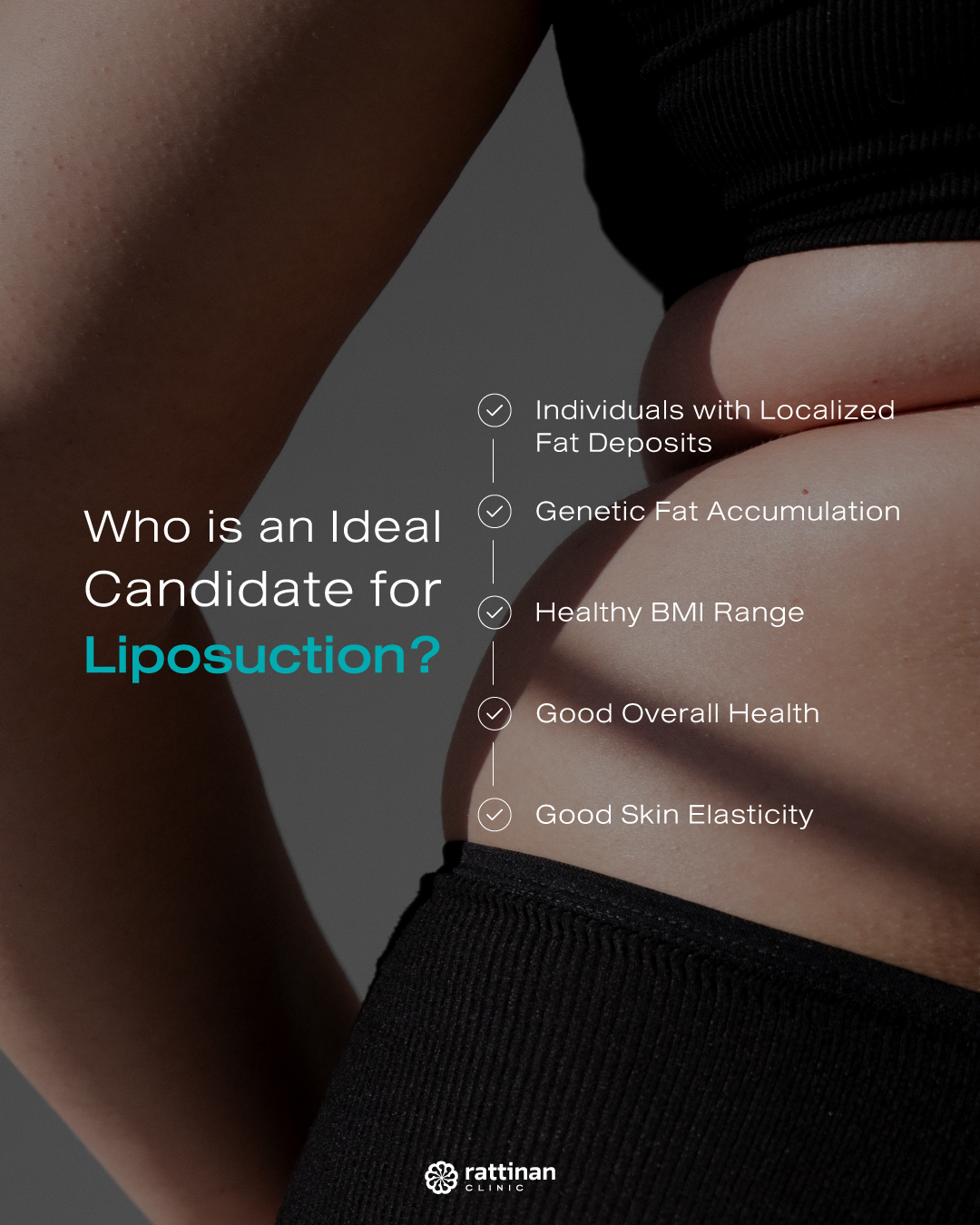
- Those with stubborn, localized fat
Individuals with localized fat deposits that remain despite diet and exercise. Whether it’s in the abdomen, hips, thighs, arms, back, or under the chin, Liposuction effectively removes these stubborn fat to create more refined and balanced body proportions.
- Those with genetically predisposed fat
For those with genetically determined fat distribution in specific areas, such as individuals with an “apple-shaped” body (fat accumulation in the abdomen) or a “pear-shaped” body (fat concentrated in the hips and thighs), Liposuction helps rebalance the silhouette for a more proportionate appearance.
- Those within a healthy BMI range
Individuals with a BMI between 18.5 and 29 can undergo Liposuction. Because Liposuction is a body-contouring procedure rather than a weight-loss solution, it is designed for refining and sculpting proportions. Those with a significantly high BMI are advised to reach a stable, healthy weight range before undergoing the procedure.
-
- Individuals who are healthy
- Age 18–65 years in good overall health.
- No severe underlying medical conditions, such as heart disease, diabetes, or uncontrolled high blood pressure (Hypertension).
- No blood clotting disorders or issues with abnormal bleeding.
- No known allergies to local anesthesia or medications used during surgery.
- Individuals with good skin elasticity
Patients with good skin elasticity typically achieve the best results, as their skin can easily snap back and conform to its new, slimmer contours. For those with low skin elasticity, we may recommend combining the procedure with advanced skin-tightening technologies such as TripleTite or J-Plasma. This ensures the skin remains smooth and firm after fat removal.
However, it is important to remember that Liposuction is not a rapid weight-loss solution, nor is it a substitute for a healthy diet and regular exercise. It is a specialized procedure designed to eliminate localized stubborn fat and refine your body’s proportions for a natural look.
Liposuction Methods and the Key Differences Between Each Technology
Today, there is no one-size-fits-all approach to Liposuction. Because every body type and goal is unique, technology has evolved to allow surgeons to select the most effective method for each individual case. Our advanced methods are categorized into 3 types:
- Non-thermal Liposuction
Liposuction technology that uses mechanical energy rather than thermal energy to break down fat cells. - Thermal Liposuction
Current thermal Liposuction technologies include:
– BodyTite (RFAL)
– Vaser (Ultrasound)
– J-Plasma / Renuvion (Plasma + Helium) - Water-assisted Liposuction

PAL (Power-Assisted Liposuction)
PAL is a fat removal technology that utilizes a high-speed motorized cannula, vibrating at up to 4,000 cycles per minute. This rapid vibration precisely detaches fat cells from the surrounding tissues, significantly reducing trauma and pressure on the treated area. It’s suitable for extracting large volumes of fat and targeting dense areas (such as the abdomen, legs, back, arms, and male chest). It is also the preferred method for fat grafting procedures, such as BBL. Because PAL does not provide skin-tightening benefits, we recommend combining it with technologies like BodyTite or J-Plasma for patients seeking a firmer, more contoured result.
BodyTite
BodyTite is a Liposuction and skin-tightening technology that utilizes Radiofrequency (RF) energy to perform both functions simultaneously in a single step. Using a dual-probe handpiece, the system precisely controls temperatures to dissolve fat while stimulating collagen production. This results in immediate skin firming, with further structural improvements continuing over the next 3-6 months.
It’s ideal for individuals with localized fat deposits (such as the abdomen, arms, legs, or neck) who prefer to avoid major surgery. It is effective for those with mild skin laxity seeking a more toned and contoured silhouette, while benefiting from a rapid recovery and minimal scarring.
VASER
VASER is a Liposuction technology that utilizes ultrasound energy to selectively target and break down fat cells while preserving blood vessels and nerves. The integrated thermal energy also stimulates skin tightening for a High-Definition result. By effectively removing both superficial and deep fat layers, VASER allows for precise body sculpting. It is ideal for patients seeking a 360° body transformation or those with mild to moderate skin laxity. Additionally, VASER can be combined with other surgical procedures, such as a Tummy Tuck (Abdominoplasty), to achieve even more comprehensive and flawless results.
J-Plasma (Renuvion)
J-Plasma (Renuvion) is a skin-tightening technology that combines Cold Plasma energy with Radiofrequency (RF). By utilizing helium gas to create high-precision plasma, it triggers immediate tissue contraction and long-term collagen stimulation. It can improve skin firmness by up to 82%. It is ideal for treating mild to moderate skin laxity in the neck, double chin, abdomen, arms, legs, and back, all without the need for major surgery. Furthermore, it is the perfect solution for patients who have previously undergone Liposuction but still struggle with loose skin and desire a smoother, firmer, and more natural-looking result.
Body-Jet (Water-Assisted Liposuction)
Body-Jet (Water-Assisted Liposuction) is a gentle fat removal technology that utilizes a fan-shaped water jet to simultaneously spray and suction. This method delicately separates fat cells from the tissue, significantly minimizing trauma to the skin, blood vessels, and nerves. Because the fat cells remain highly viable, this technique is the gold standard for Fat Grafting procedures. It provides a naturally smooth result with high precision. Body-Jet is ideal for individuals with localized fat deposits who are close to their ideal weight, have good skin elasticity, and prioritize a fast recovery with minimal discomfort.
The Liposuction Cannula Is More Important Than You Might Think
While all Liposuction techniques share a common principle which is inserting a cannula beneath the skin and moving it back and forth to break down and extract fat, the selection of the suction tip is a critical detail that “must be tailored specifically to each treatment area”. Every body part has unique contours, tissue densities, depths, and shapes. For instance, calf Liposuction involves complex curves that require specialized cannulas to avoid making multiple unnecessary incisions. Conversely, facial and chin Liposuction requires soft, blunt-tipped, flared cannulas to protect neck vessels. Even specialized cases like Gynecomastia (male breast reduction) require a saw-tooth cannula to effectively release and remove glandular tissue.
Common cannula sizes are:
- 2–3 mm: Best for local anesthesia; minimizes pain but takes longer to extract.
- 4–5 mm: Best for general anesthesia; faster and ideal for high-volume areas.
- 6 mm: Best for high-BMI cases; prevents excessively long surgery times and reduces risk.
Cannula length is also important. At Rattinan Clinic, we utilize specialized 45 cm cannulas that can reach from the groin to the knee through a single entry point while minimizing scarring and ensuring a smoother, more seamless result.
How to Choose The Right Liposuction Technology for Your Goals
The best technology is only part of the equation. In reality, over 50% of the result depends on “the surgeon’s skill and experience”. Much like a master chef who can create a masterpiece even with a simple knife, a truly skilled surgeon achieves the best results through technique. However, when expert hands are paired with world-class technology, the outcome is nothing short of perfection.
Furthermore, every technology has unique strengths. Some are excellent at fat removal but lack skin tightening, while others provide superior tightening but extract less fat. By combining technologies to complement one another, we can offset individual limitations. This integrated approach ensures your body contouring result is as smooth and beautiful as a work of art.
Consulting with the Rattinan Clinic medical team to choose the best method for your goals. We offer in-depth consultations featuring our 3D Body Scanner, which creates a precise three-dimensional map of your physique. This allows you to visualize a Before & After simulation even before your treatment begins. The right decision starts with complete information and expert guidance. Consultations are free of charge.
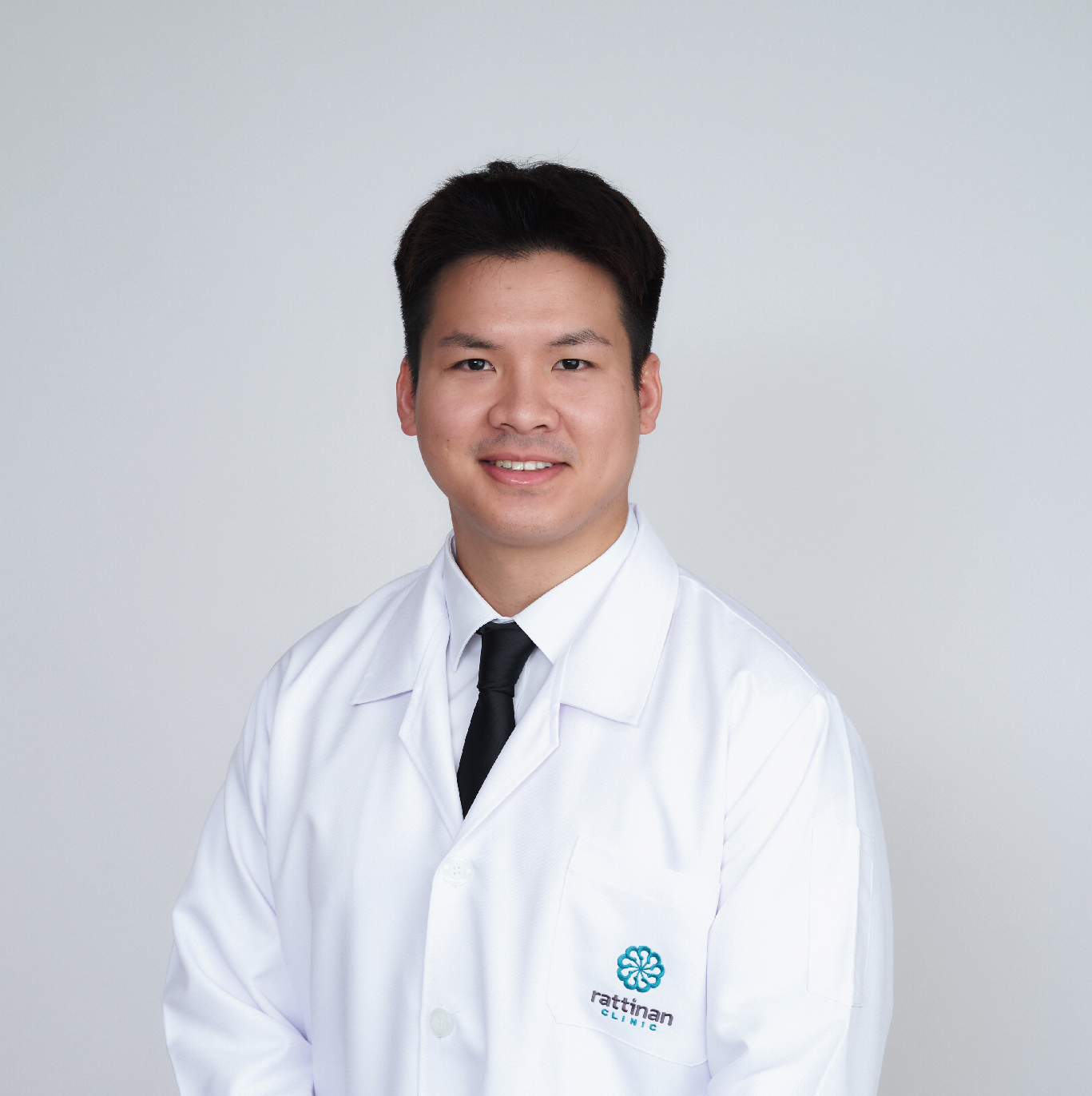
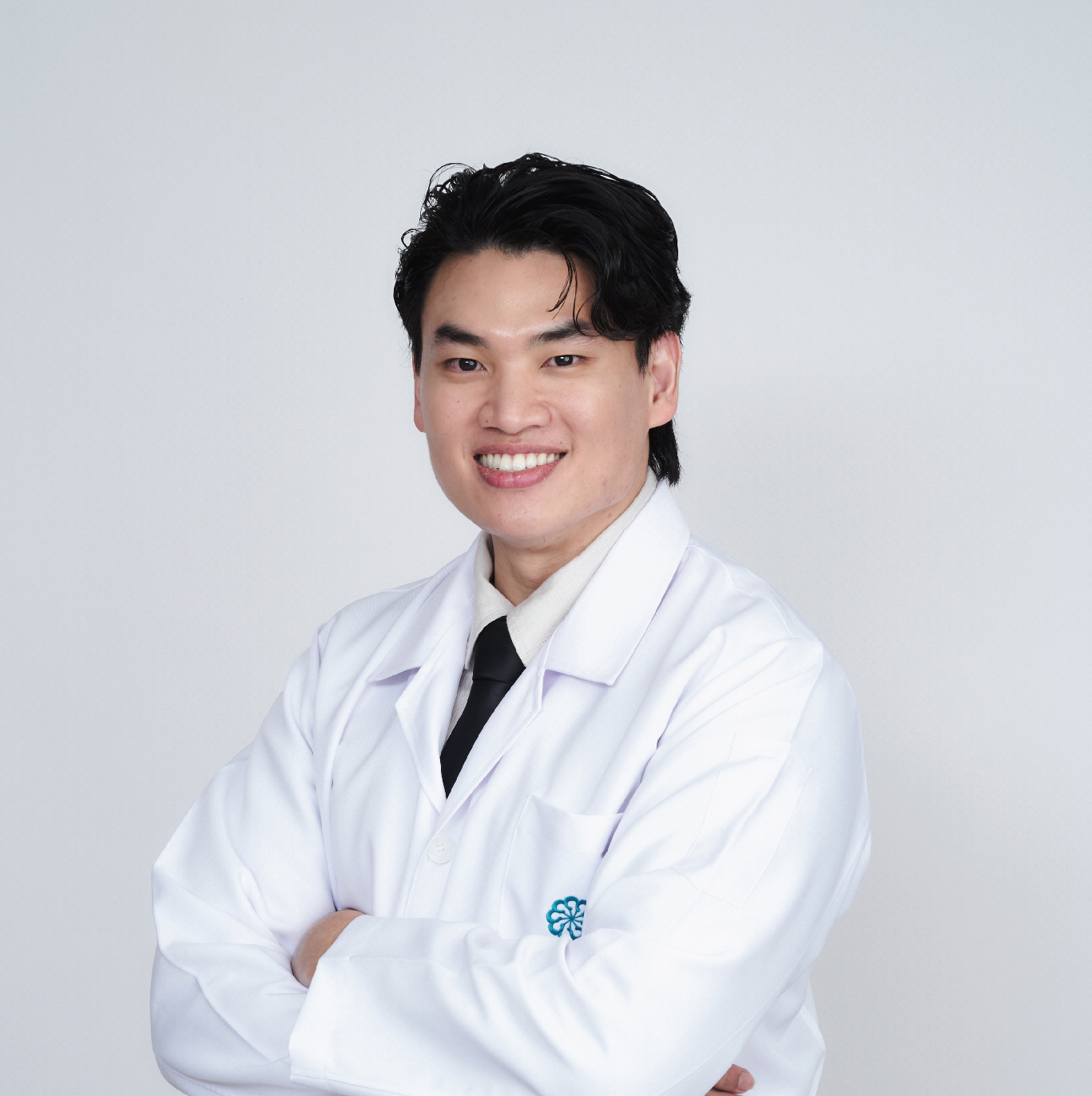
Our Team of Physicians and Surgeon
Personalized Body Contouring in Thailand at Rattinan Clinic



4 Steps of Liposuction for Your Best Results at Rattinan Clinic


Key Considerations
Despite advancements in technology, Liposuction remains a procedure that demands high levels of surgical expertise. Choosing a qualified surgeon and an accredited medical facility is essential for ensuring both safe and long-lasting results. Moreover, proper self-care is important to maintaining these results and achieving the smoothest possible skin texture.
4 Factors You Should Know Before Getting Liposuction
Before deciding on Liposuction, you should understand both the benefits and the limitations of the procedure to ensure safe results that meet your expectations. Key factors to consider include:
- You must follow recovery guidelines closely. This includes wearing compression garments and avoiding activities that could trigger inflammation. It typically takes several weeks for the incisions to heal completely.
- Liposuction, especially when utilizing advanced technologies, can be a significant investment. In some cases, there may be additional costs for supplementary procedures, such as fat grafting to enhance other areas.
- This procedure is designed for body contouring and localized fat
reduction, not overall weight loss. For sustainable weight management, a healthy diet and regular exercise remain essential. - Results are not permanent without maintenance. Even if fat cells are removed, new fat deposits can still form in the future if a healthy lifestyle is not maintained through diet and exercise.
While Liposuction is an effective way to contour the body, boost confidence, and eliminate stubborn localized fat, it involves considerations regarding recovery time, costs, and potential risks. Those interested should consult with a specialist to assess their suitability for the procedure and to develop the safest, most effective treatment plan.
How to Prepare Yourself before Liposuction
Preparation steps help reduce the risk of complications, accelerate recovery, and ensure satisfactory results. Strictly following your surgeon’s instructions will help ensure a safe and successful procedure.
- Your journey starts with a detailed medical consultation to assess your health and target areas, during which your surgeon will review your medical history and medications to develop a plan for you.
- Complete all required blood tests and physical evaluations. You must fast (no food or water) for at least 6–8 hours before the procedure, especially if general anesthesia is being administered.
- Discontinue certain medications and supplements such as aspirin, anti-inflammatory drugs, Vitamin E, or any supplements that affect blood clotting at least 1–2 weeks in advance.
- Refrain from smoking and drinking alcohol for at least 2 weeks before surgery. This reduces the risk of infection and significantly promotes faster wound healing.
- Prepare compression garments and recovery space. Wearing compression garments after Liposuction is essential for reducing post-surgery swelling and helping the skin conform to its new shape. Ensure your garments and a comfortable recovery area are ready before your procedure date.
How to Care for Yourself after Liposuction
- Wear your compression garments as directed
You should wear your compression garment for 4–6 weeks, keeping it on at all times (except when bathing) to reduce swelling and help the skin conform to your new contours. - Avoid heavy lifting and strenuous exercise
For at least 2–4 weeks after the procedure, avoid intense physical activity to prevent increased swelling or strain on the incisions; wait until you are fully healed before returning to your regular routine. - Take all medications exactly as prescribed
It is crucial to follow the instructions for antibiotics and pain relief strictly and to never adjust your dosage without consulting your surgeon. - Maintain a proper sleeping position
During the first 1–2 days, keep your head elevated to minimize swelling, and avoid putting direct pressure on the sites where fat was removed. - Keep the incisions clean
Carefully clean your wounds with a clean cloth as instructed, avoiding the use of alcohol or harsh chemicals that could irritate the skin. - Stay hydrated and maintain a nutritious diet
Drinking plenty of water helps flush out toxins, while consuming foods high in protein and vitamins, such as fruits and vegetables, will accelerate your body’s recovery. - Avoid direct sun exposure
The treated areas will be sensitive to sunlight; therefore, you should wear protective clothing to prevent hyperpigmentation or dark spots. - Attend all follow-up appointments
It is important to meet with your surgeon as scheduled to monitor your progress. If you notice any unusual symptoms, such as excessive redness or pain, inform your surgeon immediately. - Recovery timeline
While general recovery takes about 1–2 weeks, we specifically recommend wearing your compression garment continuously for the first 3 days to provide maximum support.
Where to Get Liposuction and Why You Should Trust Rattinan Clinic
Choosing a clinic for Liposuction is crucial, as it involves both safety and the effectiveness of the results. At Rattinan Clinic, our unique strengths that build patient trust and set us apart include:
- Modern Liposuction technologies help break down fat effectively and safely.
- Our team of Liposuction experts with direct experience and an understanding of each individual’s unique anatomy
- Attentive service in every detail, from pre-surgery assessment and procedural planning to close post-operative care.
For these reasons, Rattinan Clinic is one of the leading Liposuction clinics, providing confidence, visible results, and high safety standards.
Liposuction Costs at Rattinan Clinic
Liposuction services at Rattinan Clinic start at 49,000 THB per area, with final pricing depending on the specific areas selected.
For the best value, we offer “Area Packages” tailored to your individual needs. Every case is performed by a team of expert surgeons under the international AACI safety standards. If you are interested, we invite you to visit us for a free consultation and personalized treatment assessment.
Frequently Asked Questions about Liposuction
This procedure requires a local anesthetic technique called Tumescent anesthesia, which involves injecting a mixture of local anesthetic and saline solution into the treatment area. This ensures you feel no discomfort during the procedure. For cases involving large volumes of fat or multiple areas, general anesthesia may be used instead. You may experience moderate pain during the first 2–3 days, which can be managed with standard pain relievers. This discomfort will gradually decrease and typically disappears within 1–2 weeks.
Once removed, fat cells do not grow back as the body does not create new ones. However, if you overeat after Liposuction, the remaining fat cells can expand, and fat may accumulate in untreated areas. So, maintaining a stable weight and exercising regularly are essential for long-lasting results.
It depends on the volume and area of the Liposuction.
- Minor Liposuction (like the chin) allows you to return to work within 2–3 days.
- Moderate Liposuction (like the abdomen) requires 5-7 days of rest.
- Large volume (involving multiple areas) requires 1-2 weeks of rest.
- Wear compression garments for 4-6 weeks.
- Avoid strenuous exercise or heavy lifting for 4–6 weeks.
- The full effect of the procedure is visible within 3–6 months.
- People with severe obesity (BMI >35)
- Those expecting weight loss
- Those with excessive skin laxity
- Individuals with heart disease, diabetes, or uncontrolled hypertension
- Individuals requiring special precaution such as pregnant or breastfeeding women, people with blood clotting disorders, and postpartum patients or those with recent significant weight loss
Please consult with our doctors for an assessment before proceeding with the treatment.
Post-Surgery Care:
- Wear your compression garment at all times for the first 4–6 weeks.
- Have a lymphatic drainage massage 2–3 times per week.
- Avoid soaking in water for 2 weeks.
- You may begin light exercise after 2 weeks.
- You can return to your normal exercise routine after 6 weeks.
How to maintain the results:
- Limit any weight gain to no more than 3–5 kg.
- Exercise regularly.
- Eat balanced meals.
The results are long-lasting if you maintain a stable weight because the removed fat cells do not grow back. However, the remaining fat cells can expand if you overeat.
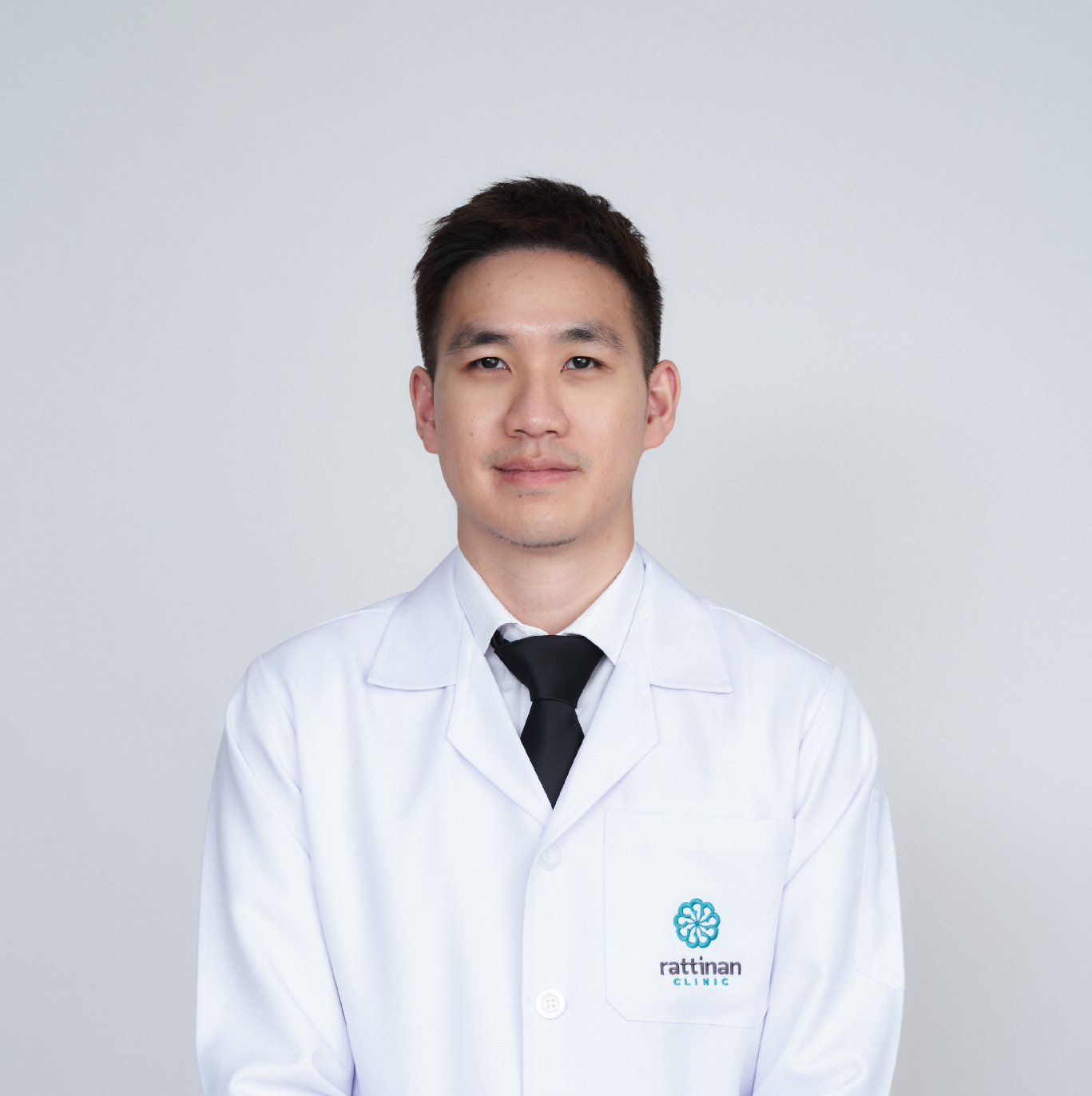
Dr. Suthipong Treeratana is a co-founder of Rattinan Clinic with over 30 years of experience in body contouring and liposuction. He specializes in individually tailored treatment plans designed to achieve results aligned with each patient’s unique anatomy and goals.