
 Thai
Thai English
Bariatric surgery is a procedure that reduces the size of the stomach to alter the digestive and nutrient absorption pathways in the small intestine. The primary goal is to help decrease food intake, reduce appetite, and control the absorption of calories into the body.
It is an option for individuals who are unable to lose weight through traditional methods such as dieting and exercise. Additionally, it helps reduce the risks associated with obesity-related conditions, such as diabetes and high blood pressure. Research has shown that bariatric surgery can provide continuous weight loss benefits and reduce the risk of obesity-related diseases.
In this article we’ll cover the types of procedures available, eligibility criteria, costs, and what to expect throughout the surgical journey.
What is Bariatric Surgery?
Bariatric surgery refers to a set of medical procedures that reduce stomach size or alter the digestive process to promote weight loss. The primary goal is to limit food intake, reduce hunger, and control calorie absorption. These surgeries are particularly beneficial for individuals who have struggled with conventional weight-loss methods such as dieting and exercise.
Common Goals of Bariatric Surgery
- Significant weight loss – Helps patients lose and maintain a healthier weight.
- Health improvements – Reduces the risk of obesity-related diseases such as type 2 diabetes, heart disease, and high blood pressure.
- Better quality of life – Enhances mobility, boosts self-confidence, and improves mental well-being.
How Bariatric Surgery Works
Bariatric surgery techniques generally fall into two categories:
- Restrictive procedures – Reduce stomach size, limiting food intake.
- Malabsorptive procedures – Alter the digestive tract, decreasing calorie absorption.
Who is Eligible for Bariatric Surgery?
Bariatric surgery is suitable for individuals who meet specific criteria to ensure both safety and effectiveness. Candidates typically include:
- Individuals over the age of 18.
- Those with a Body Mass Index (BMI) of 27 or higher, particularly if they have obesity-related health conditions.
- Individuals who have attempted weight loss through diet, exercise, or other methods without success.
Those without medical contraindications for surgery.
Who is Bariatric Surgery Suitable For?
Individuals with a BMI of 40 or Higher
People with a BMI of 40 or more are generally at high risk for obesity-related diseases, such as heart disease, type 2 diabetes, and hypertension. Bariatric surgery can help significantly reduce these risks by facilitating long-term weight management.
Individuals with a BMI Between 35 and 39.9 and Obesity-Related Health Conditions
Those with a BMI in this range who suffer from conditions like type 2 diabetes, obstructive sleep apnea (OSA), or non-alcoholic fatty liver disease may benefit from bariatric surgery. The procedure can help manage and, in some cases, alleviate these conditions.
Individuals Who Have Struggled to Lose Weight Through Conventional Methods
For those who have tried diet control, regular exercise, or weight loss medication without achieving significant or sustainable results, bariatric surgery may be a viable alternative. It is often considered a last-resort option when other weight-loss strategies have proven ineffective.
Individuals Who Are Mentally and Physically Prepared for Surgery
Candidates should fully understand the benefits, risks, and long-term lifestyle changes required after the procedure. Commitment to healthier eating habits, regular exercise, and ongoing medical follow-ups is essential for success.
Individuals Who Have Been Assessed and Recommended by a Medical Professional
Before undergoing bariatric surgery, patients must be evaluated by a qualified surgeon and healthcare team. This assessment ensures that they are suitable candidates and can handle the potential effects of the procedure.
Body Mass Index (BMI) Criteria and Assessment
Obesity is a condition in which excessive fat accumulation negatively impacts health, increasing the risk of serious diseases such as heart disease, type 2 diabetes, and hypertension. The Body Mass Index (BMI) is a commonly used tool for assessing obesity levels. It provides a standard measurement to determine whether an individual is underweight, at a healthy weight, overweight, or obese.
BMI Calculation and Classification
BMI is calculated by dividing a person’s weight in kilograms by the square of their height in meters. The formula is as follows:
BMI = Weight (kg) ÷ (Height (m) × Height (m))
Based on BMI values, individuals are classified into different weight categories:
- Below 18.5 – Underweight
- 18.5 – 24.9 – Normal weight
- 25 – 29.9 – Overweight
- 30 and above – Obese
- 40 and above – Severely obese
BMI provides a general guideline for weight assessment, but additional factors such as muscle mass and body composition should also be considered.
Waist Circumference Measurement
Waist circumference is another useful indicator, especially for assessing the risk of health conditions related to abdominal fat accumulation. Excess fat around the abdomen is strongly linked to metabolic disorders and cardiovascular diseases.
- Men: A waist circumference of more than 102 cm increases health risks.
- Women: A waist circumference of more than 88 cm indicates a higher risk of obesity-related conditions.
Body Fat Percentage Assessment
Measuring body fat percentage provides a more accurate understanding of fat distribution in the body. This can be assessed using specialized tools such as body fat analyzers or DEXA scans, which offer detailed insights into fat composition.
While BMI is a widely used metric, combining it with waist circumference and body fat percentage measurement allows for a more comprehensive evaluation of an individual’s overall health and risk factors associated with obesity.
Types of Bariatric Surgery
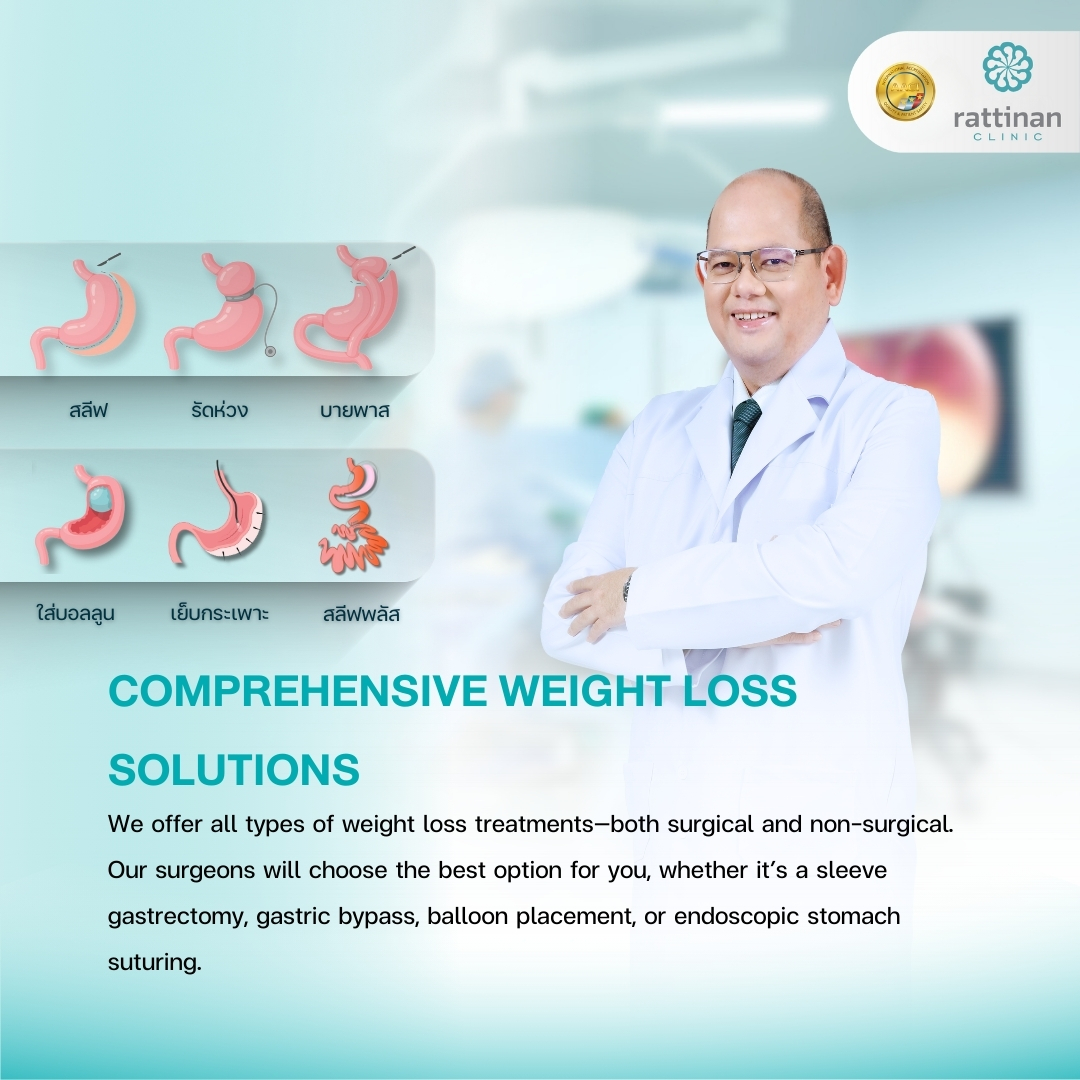
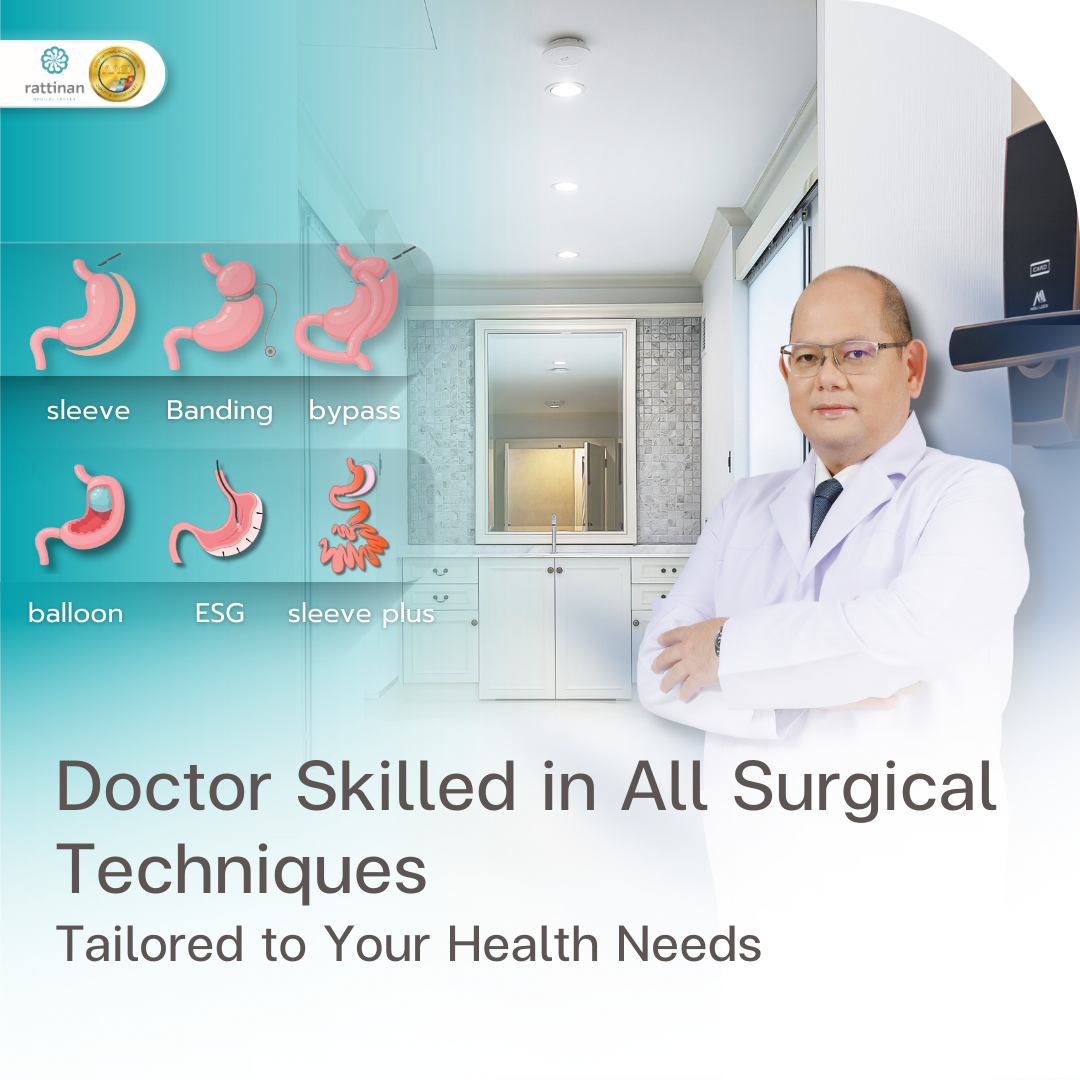
Gastric Sleeve Surgery (Sleeve Gastrectomy)
Gastric sleeve surgery removes about 80% of the stomach, leaving a smaller, sleeve-shaped stomach. This significant reduction in stomach size helps to reduce appetite and allows patients to feel full after consuming smaller meals.
| Pros | Cons |
|---|---|
|
|
Success Rate: Patients typically experience a 60-70% reduction in excess weight within 1-2 years after surgery.
Gastric Bypass Surgery (Roux-en-Y)
Gastric bypass surgery creates a small stomach pouch and reroutes a portion of the small intestine, which significantly reduces calorie absorption. This procedure is often recommended for patients with severe obesity and diabetes.
| Pros | Cons |
|---|---|
|
|
Who it’s best for:
Gastric bypass surgery is ideal for patients with severe obesity, particularly those with co-existing health issues like diabetes.
Mini Gastric Bypass
Mini gastric bypass is a simpler variation of the traditional gastric bypass. It involves creating a longer, single-loop bypass, which avoids the more complex rerouting of the intestines that is involved in the standard gastric bypass procedure.
| Pros | Cons |
|---|---|
|
|
Endoscopic Sleeve Gastroplasty (Non-Surgical Option)
Endoscopic sleeve gastroplasty is a non-surgical, minimally invasive procedure that uses an endoscope to stitch the stomach from the inside, reducing its size without the need for traditional surgery.
Recovery Time and Results
This procedure involves no external incisions, meaning there are no visible scars, and has a significantly shorter recovery time compared to traditional surgeries. However, it may not be as effective for individuals with extreme obesity, and the weight loss results can vary from patient to patient.
Revisional Bariatric Surgery
Revisional bariatric surgery is for patients who have already undergone a previous bariatric procedure but need further correction or modification. This may be necessary for patients who have not achieved their weight loss goals or who have experienced complications from their initial surgery.
Common Reasons for Revision:
- Inadequate weight loss
- Complications from the initial procedure
- Need for a more effective or tailored procedure to meet individual goals
These options provide various approaches to weight loss, depending on a patient’s specific needs, preferences, and health conditions.
What to Expect: Step-by-Step Process
As your trusted healthcare partner, our team of expert surgeons here at Rattinan Medical Center ensures the highest level of safety for all bariatric procedures. If you are considering weight loss surgery and unsure which method is best for you, we recommend consulting with our specialists to determine the most suitable and safe option tailored to your health needs.
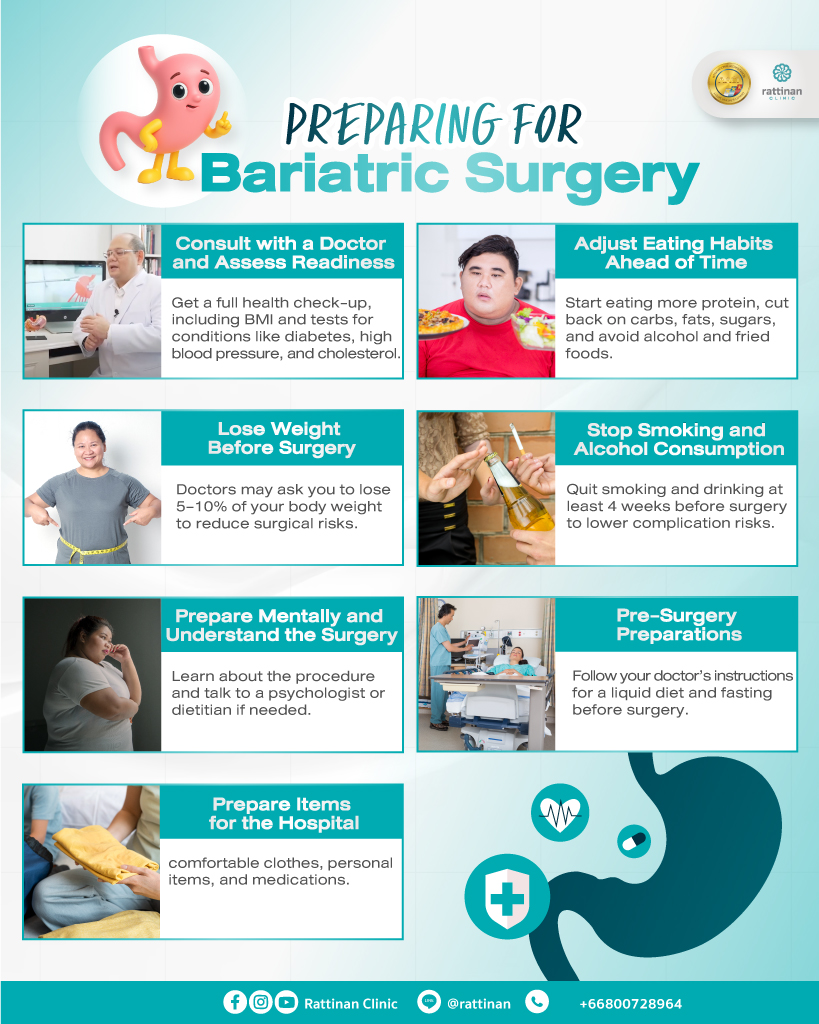
Initial Consultation
The process begins with an initial consultation, which can be done virtually. During this consultation, patients will discuss their medical history, Body Mass Index (BMI), and determine their eligibility for bariatric surgery. Diagnostic tests, including blood work and imaging, may also be required to assess the patient’s overall health and suitability for the procedure.
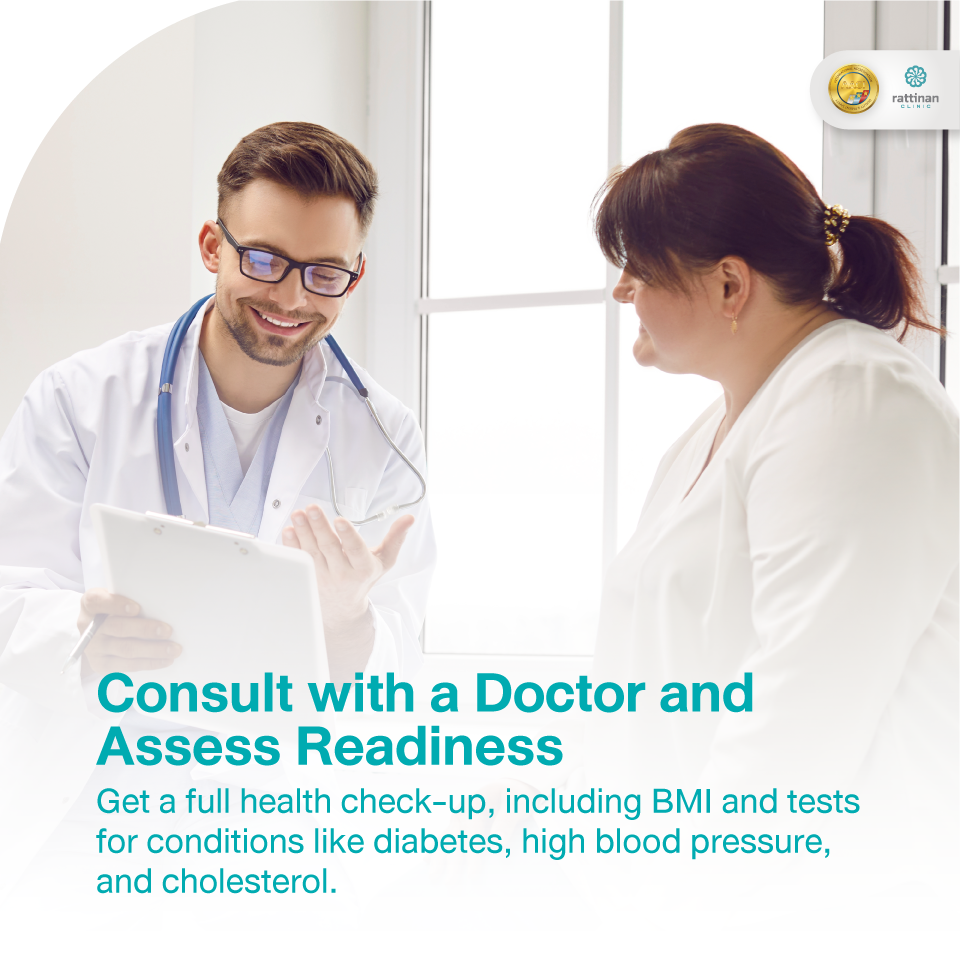
Pre-Operative Preparation
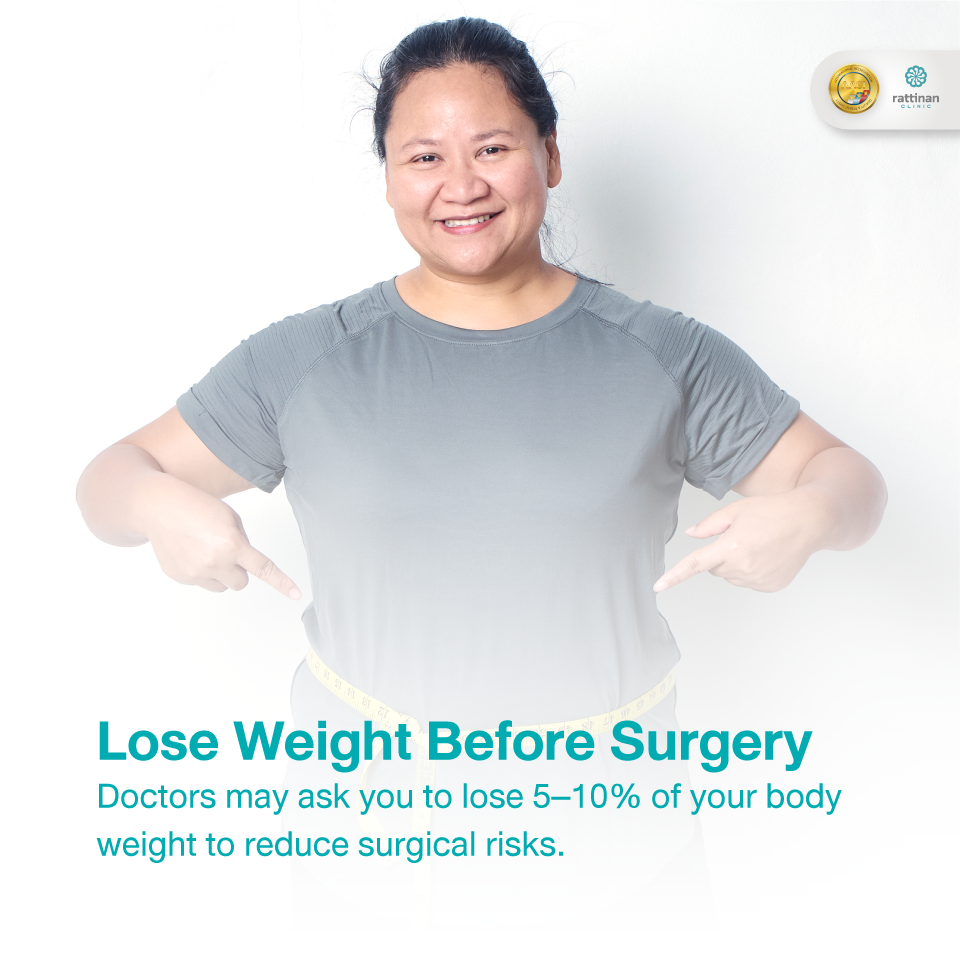
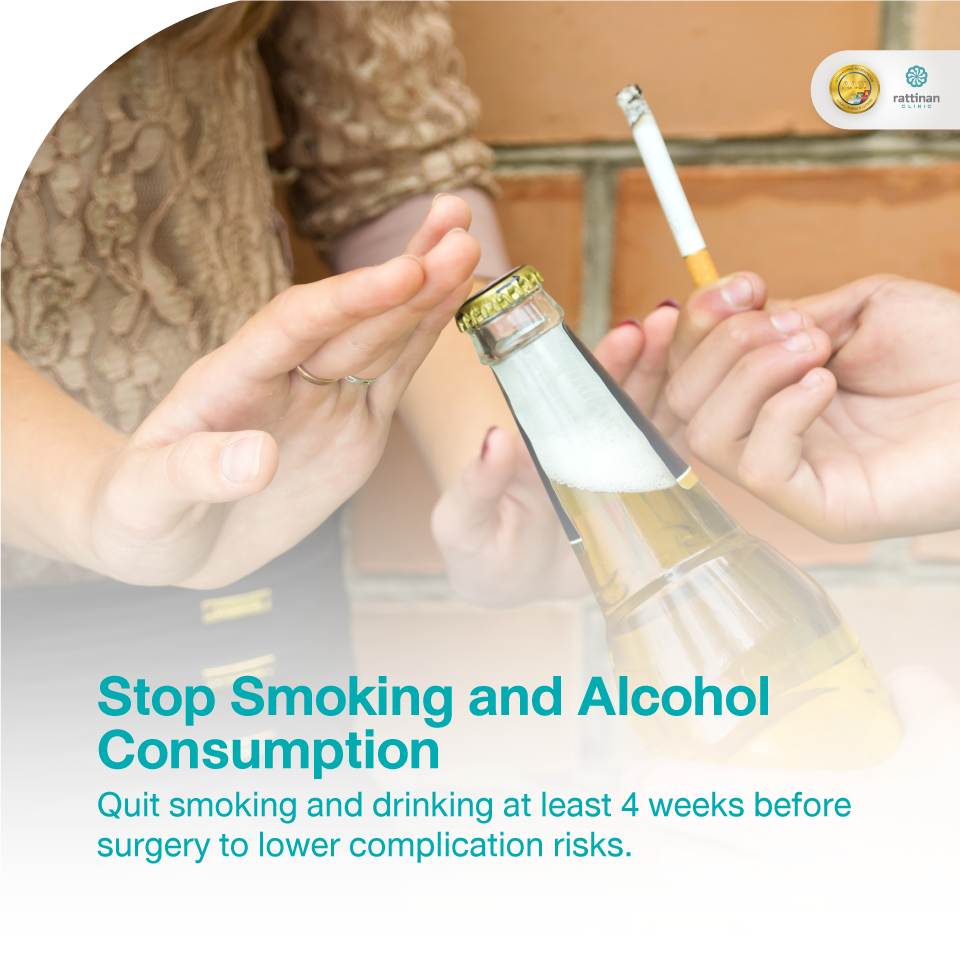
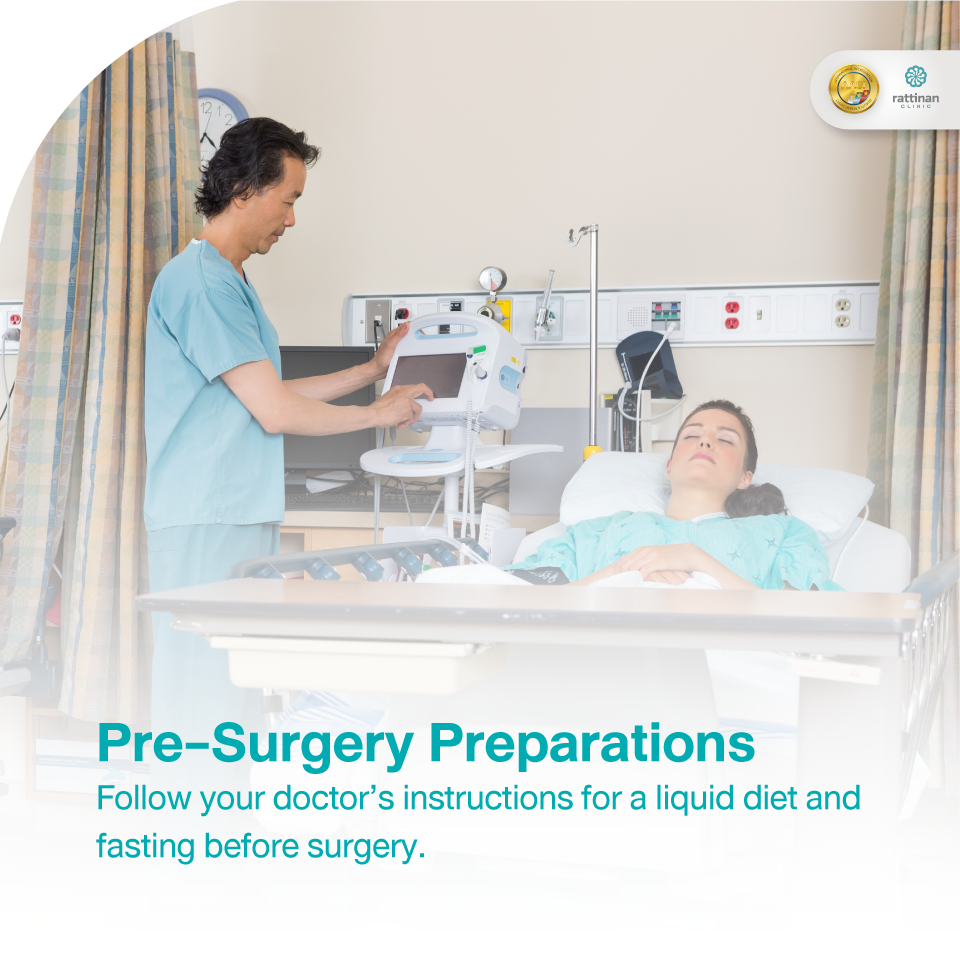
Before the surgery, patients will need to follow specific instructions to ensure they are prepared. This may include adhering to a low-calorie diet to shrink the liver, which helps create better conditions for the surgery. Patients will also need to stop smoking and drinking alcohol at least four weeks before the procedure to promote better healing. Additionally, psychological and nutritional assessments may be conducted to help patients prepare for the lifestyle changes they will need to make after the surgery.
The Surgery Day
On the day of the surgery, patients will undergo the procedure under general anesthesia. The surgery typically takes between 1-3 hours, depending on the type of procedure being performed. Most patients will require a hospital stay of 1-3 days for monitoring and recovery before being discharged.

Post-Operative Recovery
After the surgery, patients may experience mild discomfort, which can usually be managed with prescribed pain medications. Initially, patients will need to follow a liquid diet for the first two weeks before gradually transitioning to soft foods. Follow-up appointments, whether in-person or virtual, will be necessary to monitor the patient’s progress and ensure everything is healing properly.
Long-Term Lifestyle Changes
To achieve lasting results, patients must commit to significant lifestyle changes. Healthy eating habits are essential, with a focus on prioritizing protein intake and avoiding sugary and high-fat foods. Regular exercise is also important to support weight loss and improve overall health.
Additionally, patients will need to take vitamin supplements to prevent nutrient deficiencies, a common issue after bariatric surgery. Joining support groups and attending counselling sessions can also be beneficial in helping patients adjust emotionally and mentally to the changes they are making in their lives.
Understanding the Considerations of Bariatric Surgery
Bariatric surgery has proven to be an effective pathway for significant, sustainable weight loss. However, as with any major surgical intervention, it’s important to understand that it comes with considerations that require careful thought and preparation.
The specific risks can vary based on the type of procedure—whether gastric bypass, sleeve gastrectomy, or another approach—as well as your individual health profile. We believe in empowering our patients with complete information so you can make the most informed decision for your health journey.
Early Recovery Period Considerations
In the initial weeks following surgery, there are several factors we monitor closely:
Bleeding and Infection: As with any surgery, there’s a possibility of bleeding at the surgical site or infection at the incision points or internally.
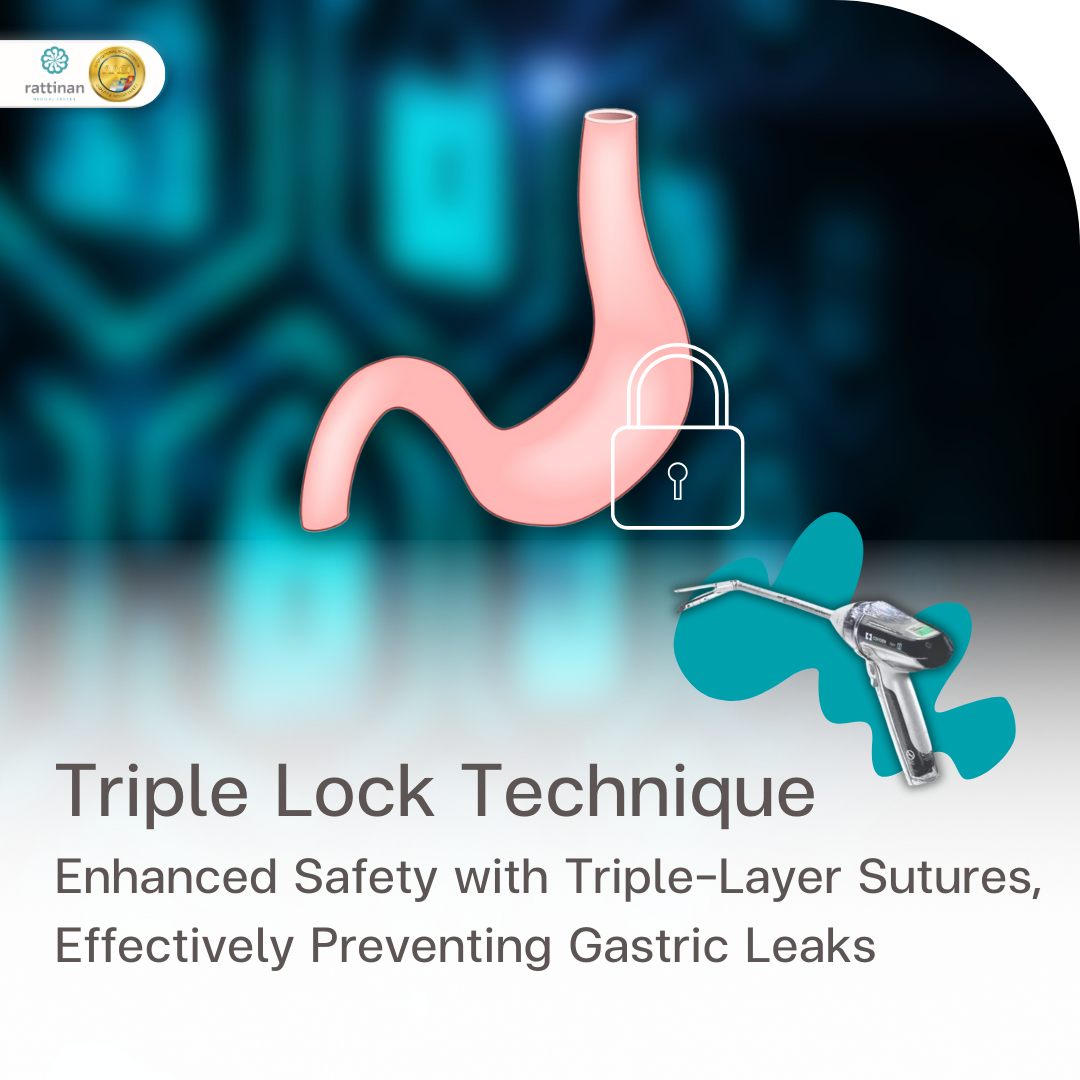
Anastomotic or Staple Line Leaks: This occurs when digestive contents leak from where the stomach or intestine was joined. While uncommon, it requires immediate attention as it can lead to serious infection.
Blood Clots: Deep vein thrombosis (DVT) or pulmonary embolism (PE) are risks we take seriously. We implement preventive protocols to minimize this concern.
Respiratory Considerations: Some patients may experience temporary breathing difficulties or partial lung collapse, which we monitor and manage carefully.
Anesthesia Responses: Individual reactions to anesthesia can vary, and our anesthesia team is experienced in managing these situations.
Other Surgical Considerations: Rare complications can include temporary bowel obstruction or unintended contact with surrounding organs.
Long-Term Health Considerations
Beyond the initial recovery, there are ongoing factors that become part of your new health routine:
Nutritional Balance: This is perhaps the most significant long-term consideration. Because the surgery changes how your body absorbs nutrients, you’ll need lifelong supplementation, particularly:
- Vitamin B12, Iron (to prevent anemia)
- Calcium and Vitamin D (to maintain bone health)
- Folate and protein
Regular monitoring and supplementation become essential parts of your wellness routine.
Digestive Adjustments: Some patients, particularly after gastric bypass, may experience what’s called dumping syndrome—where certain foods, especially those high in sugar, move through your system more quickly, causing temporary discomfort. This typically becomes manageable as you learn which foods work best for your new system.
Gallstones: Rapid weight loss can increase the likelihood of gallstone formation, which we monitor through follow-up care.
Structural Changes: Over time, some patients may develop hernias at incision sites or experience narrowing at surgical connection points. These are manageable with proper monitoring.
Acid Reflux: Some procedures, particularly sleeve gastrectomy, may influence acid reflux patterns. We can work together to manage this if it occurs.
Weight Maintenance: Long-term success requires commitment to lifestyle changes. The surgery is a powerful tool, but sustained results depend on continued healthy eating patterns and activity levels.
Emotional Wellbeing: The journey involves both physical and emotional dimensions. Some patients may need support in adjusting to their new relationship with food and body image.
Follow-up Care: Occasional revision procedures may be needed to optimize your results or address any concerns that arise.
Our Commitment to Your Journey
At Rattinan Clinic, we view bariatric surgery not as a single event, but as the beginning of a supported, long-term partnership. We believe that thorough education, realistic expectations, and comprehensive follow-up care are essential to your success.
We encourage you to have an in-depth conversation with our team about your individual health profile, specific risk factors, and the lifelong commitment to nutrition, supplementation, and regular monitoring that will become part of your wellness routine.
Every patient’s journey is unique, and we’re here to guide you with expertise, compassion, and the honest information you deserve.
Your Trusted Healthcare Partner
We’re here to help you feel confident in your own skin. Whether it’s 360° body contouring, post-weight loss reshaping, or a cosmetic boost, our expert surgeons combine skill and compassion to help you look—and feel—your best. Book Your Free Consult
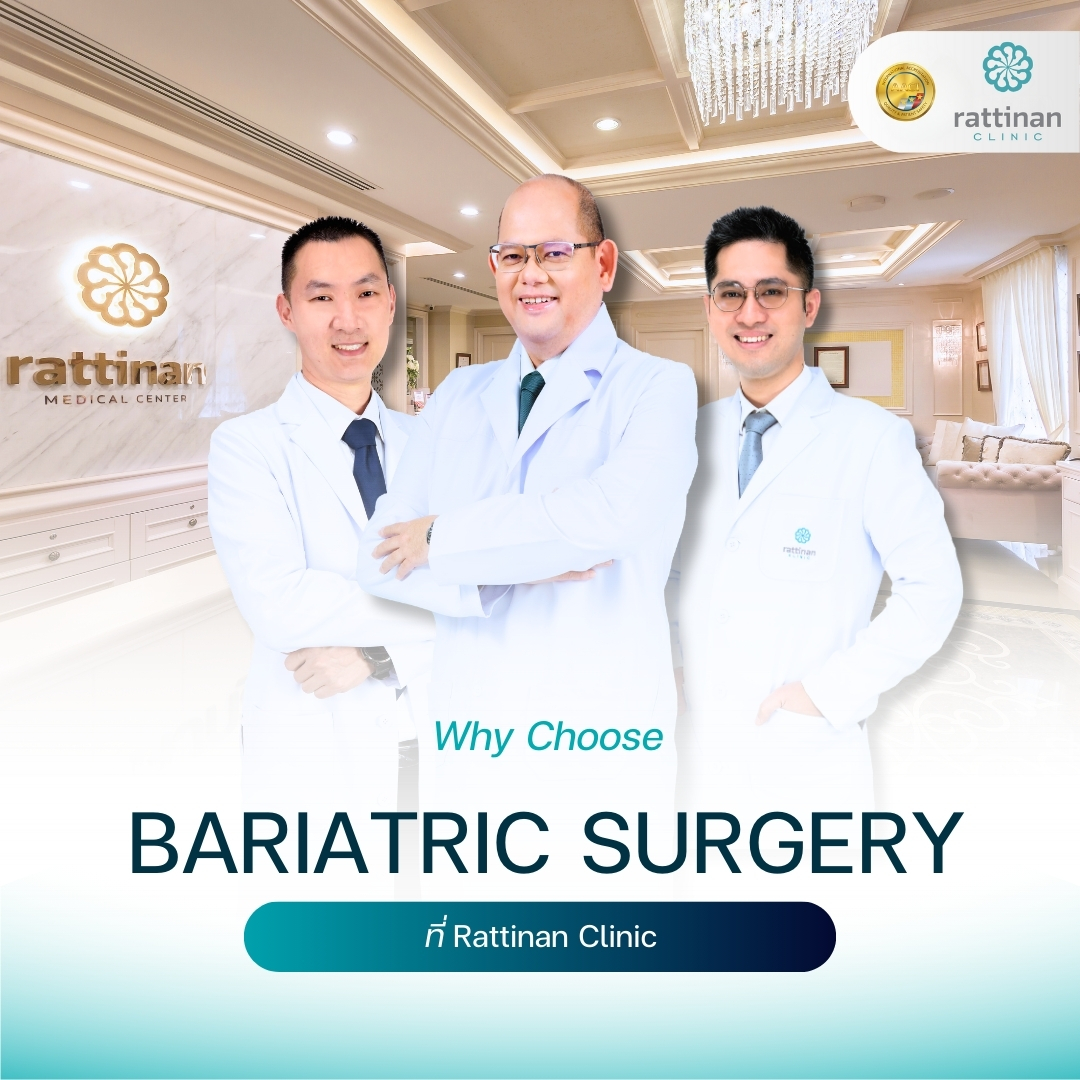





Dr. Suthipong Treeratana is a co-founder of Rattinan Clinic with over 30 years of experience in body contouring and liposuction. He specializes in individually tailored treatment plans designed to achieve results aligned with each patient’s unique anatomy and goals.