

 Thai
Thai
A full, healthy-looking face is not just about bone structure; it’s about having fat in the right places. As we age, subcutaneous fat gradually diminishes, causing the face to look thinner, temples to appear hollow, and deep folds to develop. These changes result in a tired, haggard appearance that can make you look much older than you actually are.
Facial Fat Grafting or Fat Grafting, is a procedure to harvest your body fat and transfer it to the targeted areas. Your surgeon will design a suitable plan specifically for your unique facial structure. This article compiles everything you need to know before making a decision, from techniques and procedures to post-surgery care.
What Is Fat Grafting?
Fat Grafting is a procedure that harvests fat from your own body, such as the thighs, abdomen, or hips. This fat then undergoes a specialized purification process to select only high-quality fat cells. These cells are then injected to restore volume and fullness to targeted areas.
This entire process requires meticulous technique and the surgeon’s close attention to detail to ensure satisfying results.
Human fat contains cells known as Adipose-Derived Stem Cells (ADSCs), which play a key role in tissue regeneration. After a fat grafting, many patients share that their skin looks smoother, plumper, and naturally healthier.
Fat Grafting is also known by several other names, including autologous fat transfer, fat transfer, fat injections, and lipofilling.
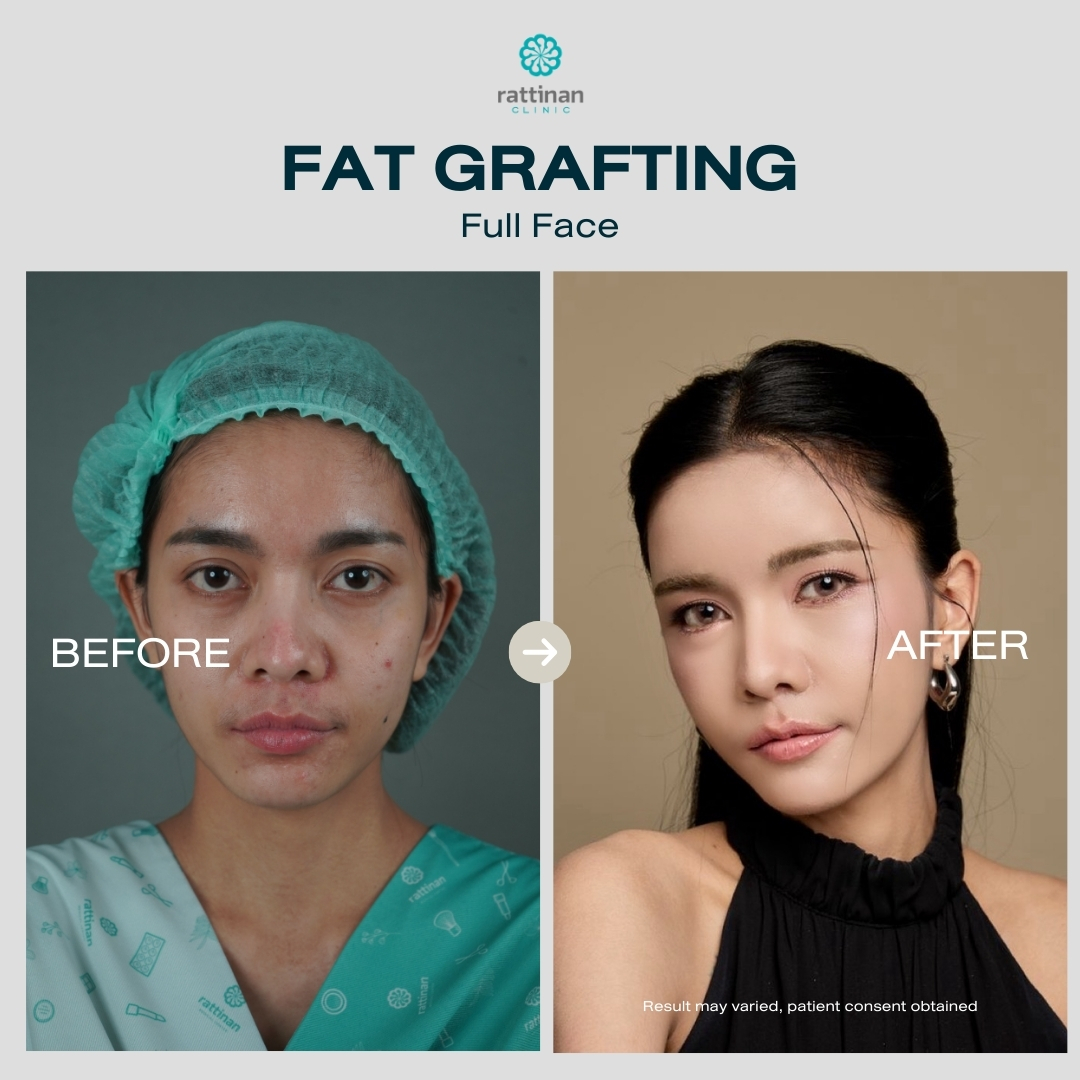
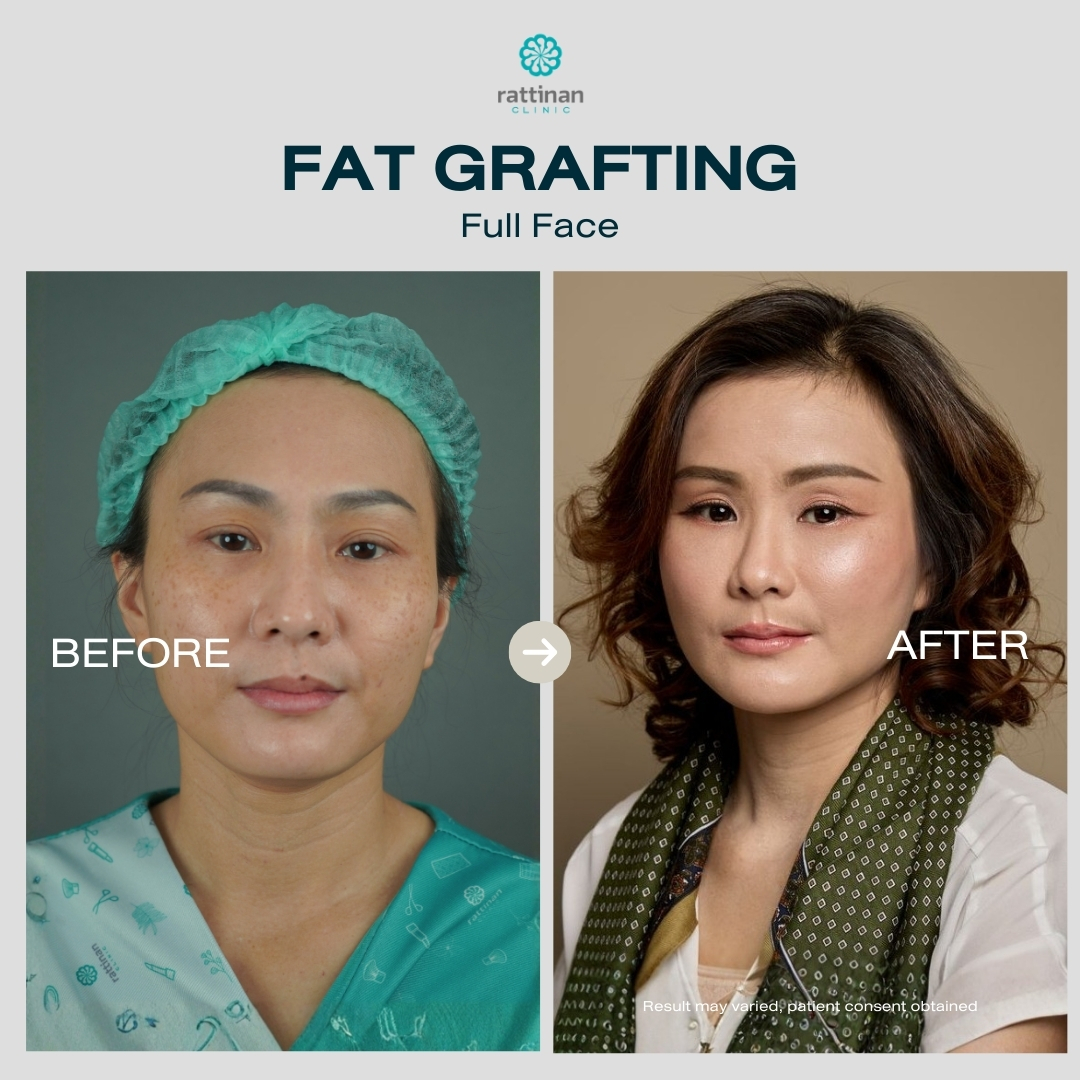
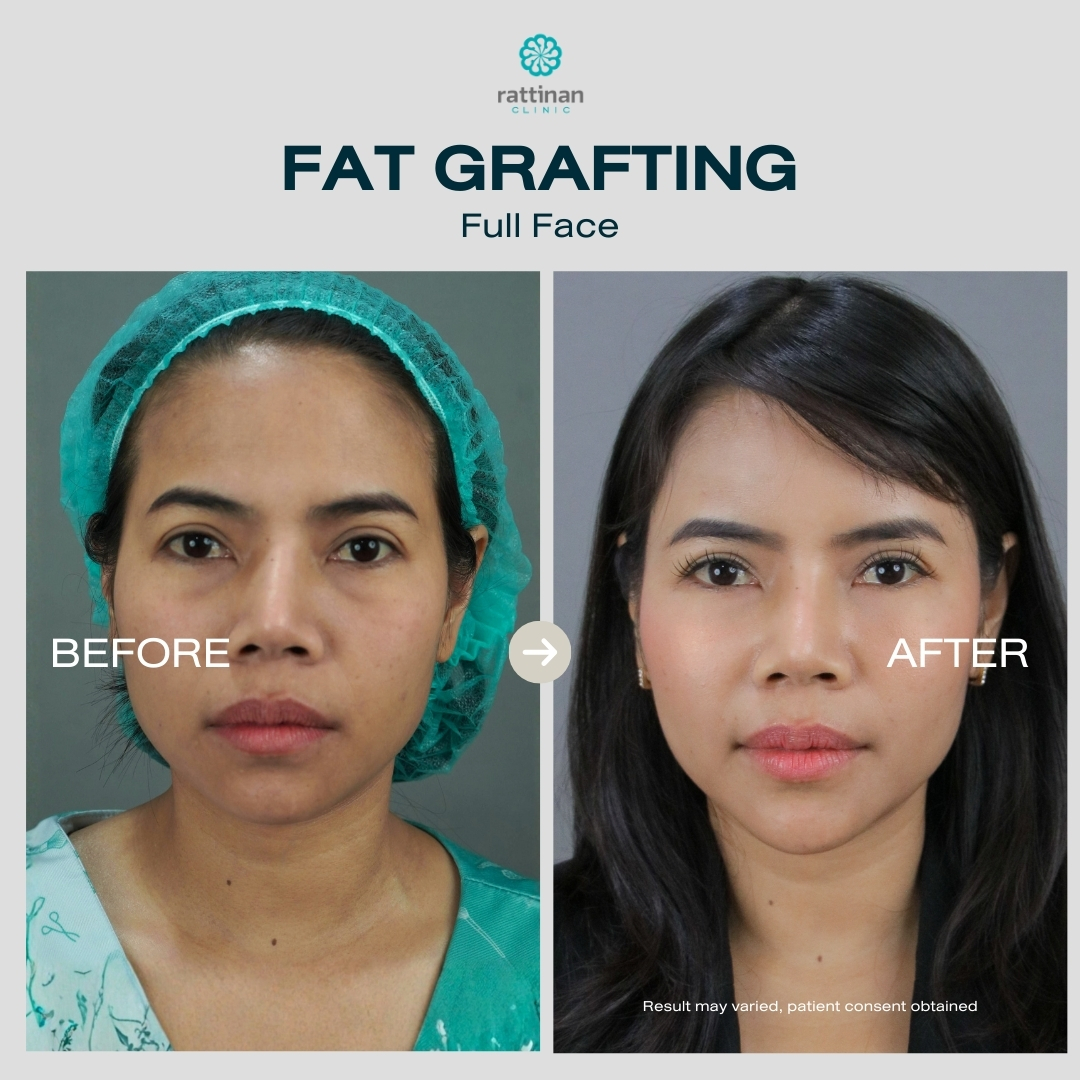
What Are the Benefits of Fat Grafting?
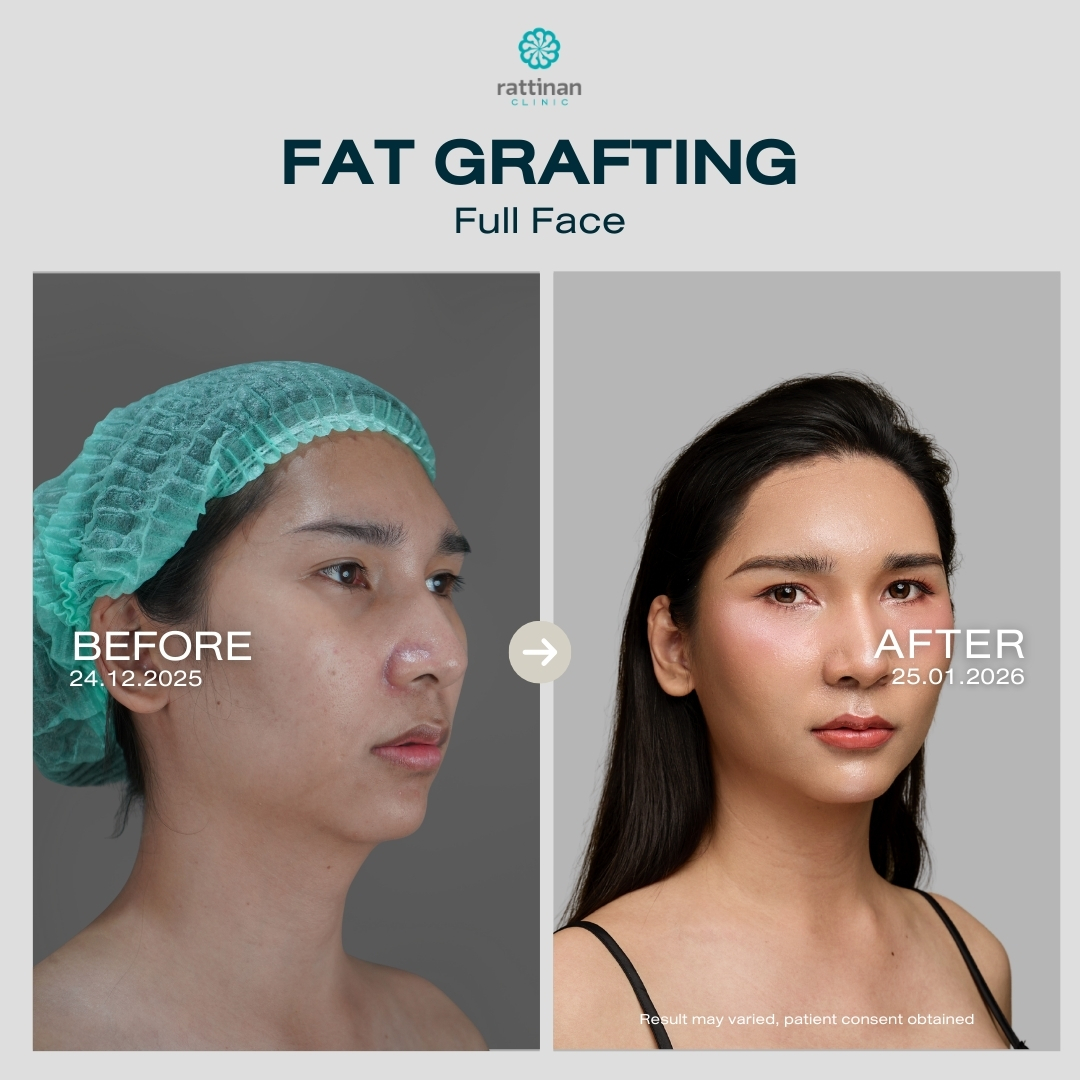
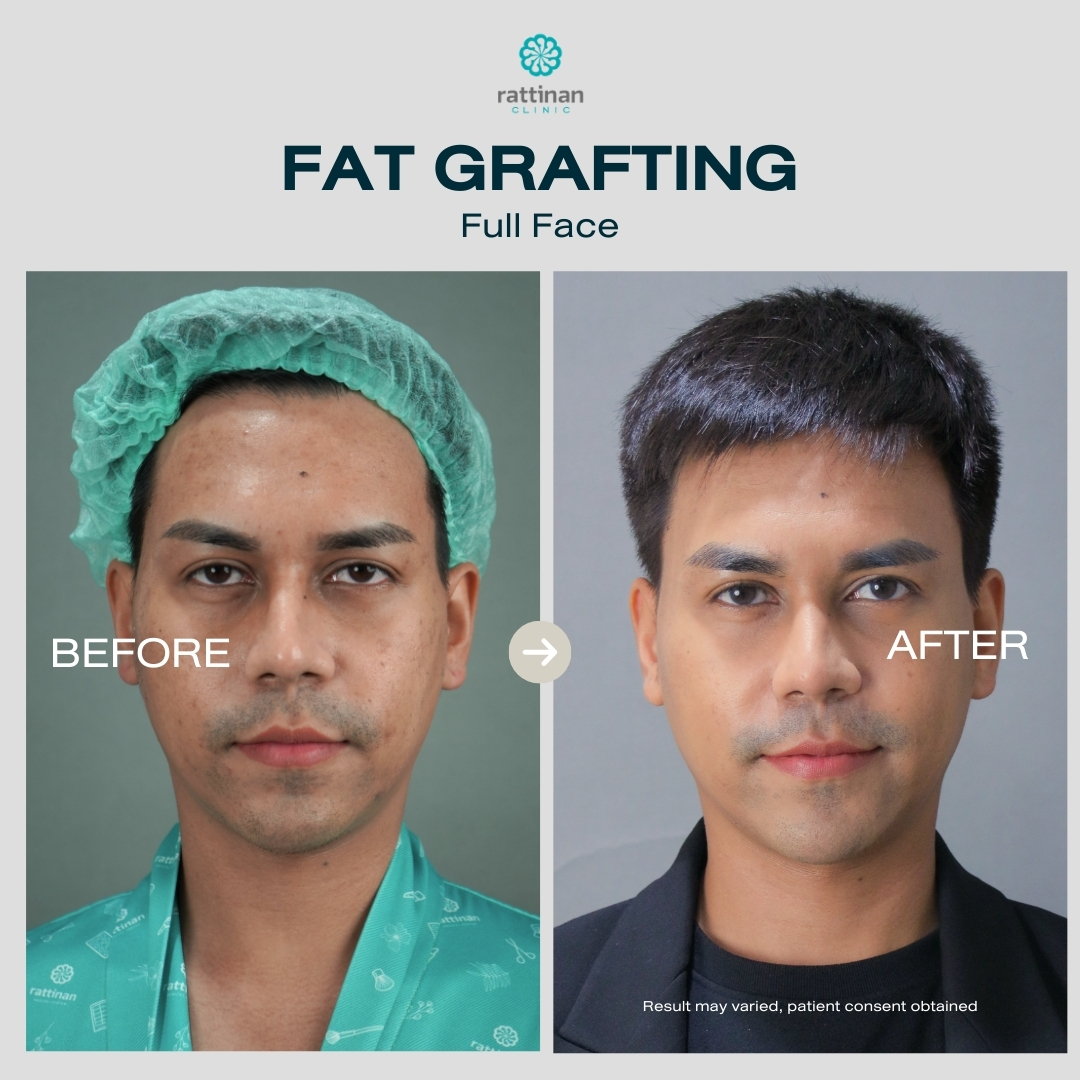
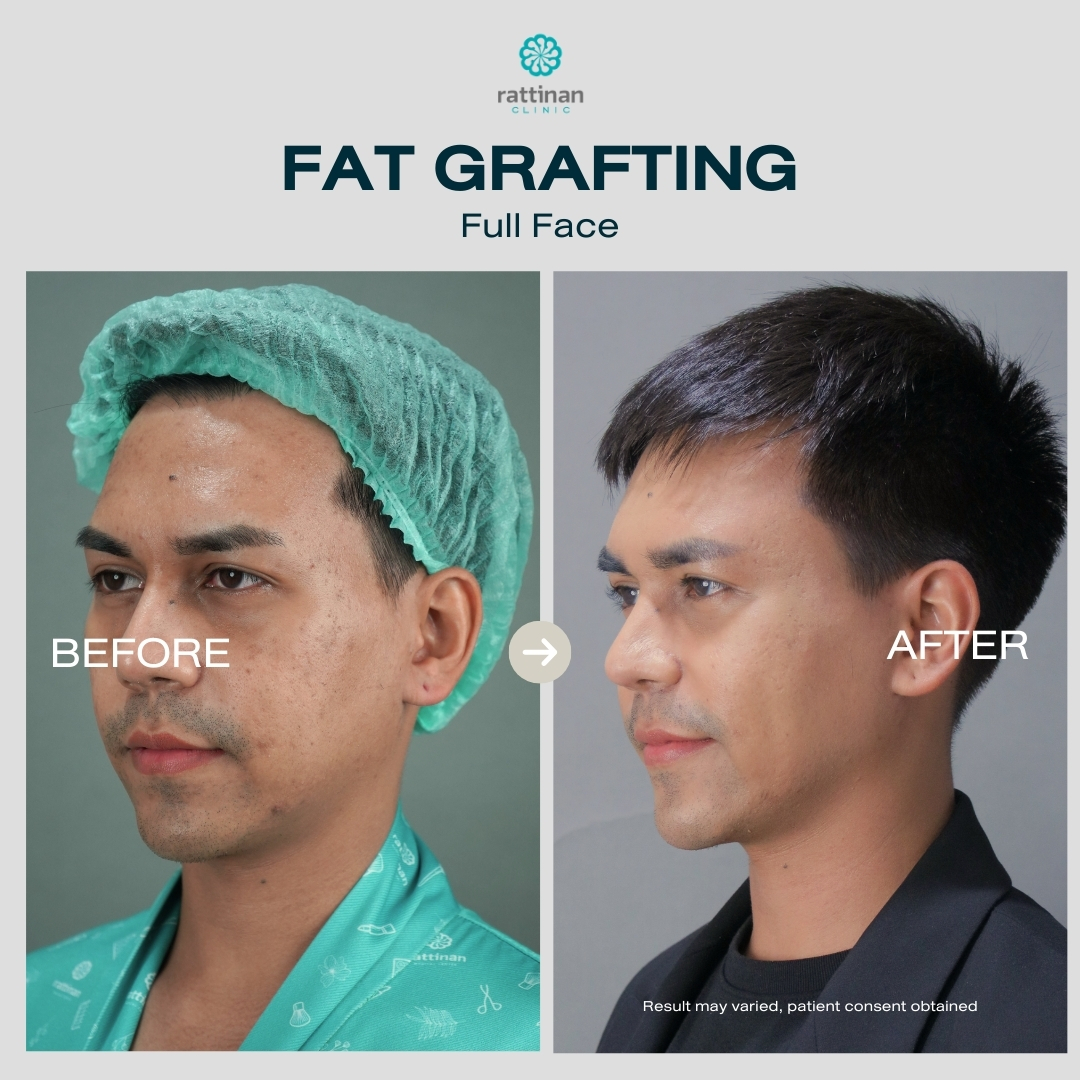
Fat Grafting is popular because it provides natural-looking and long-lasting results. There are also several other benefits, as follows:
- Because it uses your own fat cells, the risk of allergic reactions or complications is significantly lower than with synthetic fillers.
- The results look natural and feel soft to the touch because the injected fat blends seamlessly with your existing tissue. Your skin remains supple, with no lumps, allowing for normal facial expressions.
- The ADSCs (stem cells) from the high-quality fat extract help regenerate tissue, improving both the structure and texture of your skin for a naturally refined glow.
- The results are long-lasting, unlike standard fillers that require frequent touch-ups. Once the transferred fat cells successfully establish a blood supply and survive, the results become significantly more permanent.
- This technique solves two problems at once. It removes stubborn fat from areas like the thighs or abdomen while simultaneously enhancing your facial volume.

Fat Grafting’s Limitations and Safety Precautions to Consider
Like any other procedure, facial fat grafting has limitations that you should understand before making a decision:
- An adequate fat supply is required. Individuals who are underweight or have very low body fat may not have a sufficient amount for harvesting.
- Not all of the injected fat will survive. Typically, only 50–70% of the fat takes, while the rest is naturally reabsorbed by the body. Surgeons take this into account when planning the initial injection volume.
- Compared to fillers, the recovery period is longer because the procedure includes liposuction. Swelling and bruising can last for approximately 1–2 weeks.
- It takes time to see the results. You must wait for the swelling to subside and the fat to settle. It generally takes 3–6 months to see the final, clear results.
- The results depend on your surgeon technique. Every step, from harvesting and preparation to injection, directly impacts the quality of the results. Choosing an experienced surgeon is an important factor.
Who is Fat Grafting For?
Fat grafting provides precise facial volume and natural-looking results. This procedure is ideal for those experiencing the following concerns:
- Individuals with a thin or gaunt face, whether caused by aging, weight loss, or natural bone structure, can benefit from fat grafting to restore youthful fullness naturally.
- Individuals with sunken temples, which can make the face look unbalanced. Filling this area helps create a more harmonious and proportional facial shape.
- Individuals with deep facial folds, this includes under-eye hollows, nasolabial folds (laugh lines), or marionette lines caused by age-related fat loss.
- Individuals seeking long-lasting and natural results are often those who are tired of periodic filler injections and prefer a more permanent option.
- Individuals with excess body fat who wish to combine the procedure with liposuction can benefit from both body contouring and facial volumization in a single session.
Who Should Avoid Fat Grafting?
While there are several benefits, Fat Grafting has certain limitations that you should understand to make an informed decision.
- Individuals who lack sufficient fat deposits to harvest high-quality fat cells may find that this procedure is not a viable option for them.
- Individuals with medical conditions that affect recovery, such as blood disorders, uncontrolled diabetes, or immune deficiencies, should inform their doctor for a suitability assessment prior to the procedure.
- Individuals who are unable to stop smoking because smoking directly affects blood circulation and reduces fat survival rates. Patients are typically required to quit for at least 2–4 weeks before and after the service.
- Individuals who are not ready for the recovery period since swelling and bruising occur initially, those who cannot take 1–2 weeks off from work or major activities should carefully plan their timing beforehand.
- Pregnant or breastfeeding women should postpone the procedure until after this period has passed.
Types of Fat Grafting Techniques
Because fat grafting relies on filtering high-quality fat cells before they are injected to rejuvenate the skin, the resulting fat cells vary in molecular size depending on the processing stage. These are categorized into 3 main types based on particle size as follows:

Macrofat Grafting
Macrofat Grating involves the use of large fat molecules obtained through liposuction and then processed via Centrifugation to isolate pure fat cells. This technique is suitable for areas requiring significant volume replacement and must be injected into deep layers near the bone or muscle, such as for breast, hip, and buttock augmentation.
Microfat Grafting
Microfat Grafting involves the use of small fat molecules obtained by finely grinding pure fat (Mechanical Emulsification) until the texture is smoother and more refined than Macrofat. This allows for easy injection through small needles and ensures a seamless blend with the natural skin. It is suitable for facial areas requiring high precision and where the skin layer is not very thick, such as the forehead, temples, nasolabial folds, and the deep under-eye area, to reduce wrinkles and achieve a soft, natural-looking facial contour.
Nanofat Grafting
Nanofat grafting consists of adipose-derived stem cells in a clear liquid form, obtained by filtering Microfat through high-resolution micron-sized meshes until the fat cells break down. This process leaves behind only concentrated stem cells and growth factors. Therefore, Nanofat grafting does not focus on adding volume, but rather on regenerating skin quality from within. It is ideal for fine-detail injections in very thin skin areas, such as dark circles and fine lines under the eyes, scar tissue, or as a full-face treatment to stimulate collagen for a clearer, healthier complexion.
What Body Areas Can Be Treated by Fat Grafting?
Not only for facial enhancement, fat grafting can also be applied to various parts of the body to address specific concerns based on individual needs, as follows:
- Facial Fat Grafting targeting the forehead, temples, cheeks, tear troughs, nasolabial folds, chin, and lips remains the most popular choice to balance facial proportions and restore overall fullness.
- Hand Fat Grafting addresses skin that has thinned with age, visible tendons and veins can be treated with fat injections to restore fullness and create a more youthful appearance.
- Breast Fat Grafting is ideal for those seeking a natural-looking increase in size without implants, or it can be used in combination with breast augmentation to help blend the implant edges more seamlessly with the surrounding tissue.
- Hip and Buttock Fat Grafting enhances curves and volume in desired areas by repurposing fat from other parts of the body.
- Fat Grafting for Scars and Depressed Skin is used to fill in indentations or pitted areas, helping to smooth out the skin texture and create a more even surface.
- Revision liposuction with Fat Grafting is designed for patients looking to correct contour irregularities or uneven results from previous liposuction procedures. By redistributing fat, surgeons at Rattinan can smooth out these areas, restoring a balanced and aesthetically pleasing shape.
- Genital Rejuvenation with Fat Grafting for Men and Women offer a natural approach to enhancing volume, appearance, and comfort in sensitive areas. This procedure is beneficial for individuals who have experienced tissue thinning or reduced volume due to aging, genetics, or other factors.
How to Prepare Yourself before Fat Grafting
Proper preparation ensures a smooth procedure and significantly increases the fat survival rate. Guidelines are as follows:
- Patients must disclose their full medical history and current medications, especially blood thinners, Vitamin E, and certain herbal supplements that should be discontinued before the procedure as advised by the doctor.
- Refraining from smoking and alcohol for at least 2–4 weeks prior to the procedure is crucial, as both directly impact blood circulation and the ultimate survival rate of the grafted fat.
- Fast from all food and water before the procedure if general anesthesia is used, and the doctor will provide clear instructions regarding the specific fasting duration.
- Arranging reliable transportation is necessary since a companion should be available to take you home, as you must not drive yourself after the treatment.
- Preparing your home for recovery involves arranging pillows to keep your head elevated, organizing all prescribed medications, and planning for at least 1–2 weeks of rest away from work.
Fat Grafting Process at Rattinan Clinic
At Rattinan Clinic, our fat grafting process is meticulously designed to meet the highest medical standards from start to finish.

Step 1 Planning and Design: Our surgeons perform a detailed facial structure analysis to create a personalized treatment plan that prioritizes overall facial proportion and balance rather than focusing only on the injection sites.
Step 2 Liposuction with MicroAire PAL: We utilize Power-Assisted Liposuction (PAL) technology, which creates fine vibrations to gently break down fat without generating heat to minimize trauma to surrounding tissues and yield high-quality fat cells with superior survival rates.
Step 3 Fat Preparation and Selection: The harvested fat undergoes a centrifugation and filtration process to isolate healthy, viable fat cells and categorize them by size—Macrofat, Microfat, and Nanofat—to suit specific grafting techniques.
Step 4 Micro-droplet Multi-layered Injection: Using this injection technique, small droplets of fat are placed across various depths and directions to ensure even distribution and optimal oxygen supply from surrounding blood vessels, which enhances long-term fat retention.
Step 5 Store Excess Fat in Fat Banking: Any remaining high-quality fat is preserved in our medical-grade cryopreservation facility, allowing patients to return for touch-up procedures within a year without the need for additional liposuction.
How to Care for Yourself after Fat Grafting
During the first week, patients should get plenty of rest and sleep with their head elevated above the heart to reduce swelling, while strictly avoiding touching or massaging the treated areas and refraining from applying makeup until the injection points have fully healed.
During weeks 2-4, swelling and bruising gradually subside, so light activities are allowed. However, it remains important to avoid high heat sources such as saunas, steam rooms, and direct sunlight, as excessive heat can affect the settling fat.
During months 2-6, the fat begins to establish a blood supply and integrate with the surrounding tissue; while a slight decrease in volume is normal during this stage, the results will gradually stabilize and become fully apparent by months 4-6.
For long-term results, it is essential to maintain a stable weight, apply sunscreen daily, and prioritize overall health, as significant weight fluctuations can directly impact the volume of the grafted fat.
Why Choose Rattinan Clinic for Fat Grafting?
Achieving safe and optimal results in fat grafting depends not on the volume injected, but on the precision of the entire process from start to finish, which is why Rattinan Clinic meticulously designs every step to meet the highest medical standards.
MicroAire PAL, fat quality starts with the suction: Liposuction with Power-Assisted Liposuction technology, which operates with fine vibrations, helps minimize fat cell damage and does not generate heat. The result is high-quality fat with a higher survival rate than conventional suction.
Fat Banking, plan your beauty in advance: Excess fat from the initial liposuction procedure is preserved at standard medical-grade sub-zero temperatures, allowing it to be reinjected within 1 year without the need for a new extraction. This is ideal for those who wish to enhance multiple areas gradually or want to reserve fat for future touch-ups.
PRP + Nano SkinPen for both skin structure and surface: Beyond fat grafting, PRP can be combined with Nano SkinPen in a single session to stimulate collagen production and enhance skin radiance. True youthfulness isn’t just about restoring volume; it’s about achieving healthy, vibrant skin quality from within.
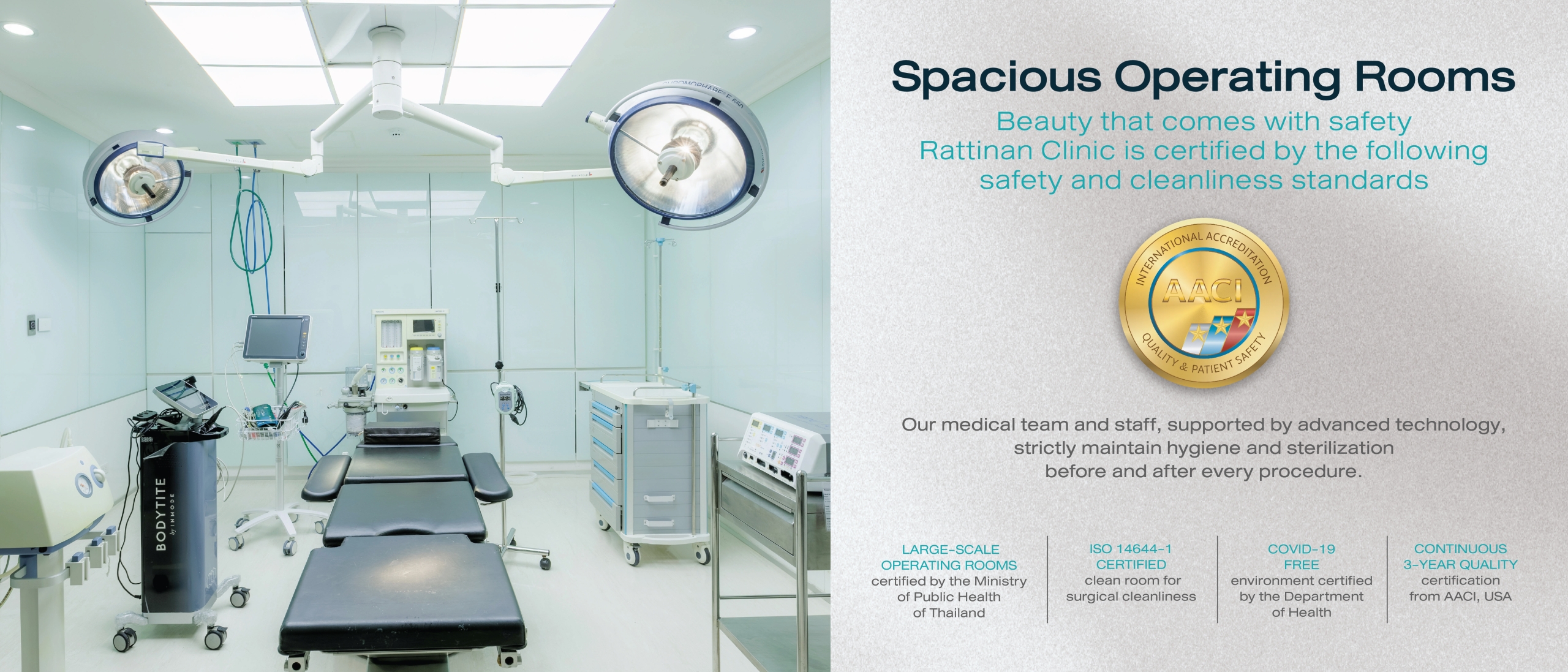
Certified medical experts & transparent standards: Our clinic is led by a medical team with extensive experience in surgery and aesthetics since 1999. We operate under AACI international standards and are fully licensed by the Ministry of Public Health.


Fat Grafting Costs at Rattinan Clinic
Rattinan Clinic offers an all-inclusive, flat-rate fat grafting package with no limit on the amount of fat used. The price you see is exactly what you pay, with no hidden fees or extra charges based on the number of CCs:
Fat Transfer Procedure | Starting Price (THB) |
Facial Fat Transfer | 69,000 |
Fat Transfer with PRP | 89,000 |
Facial Fat Transfer with PRP & Nanofat using SkinPen | 109,000 |
Fat Transfer to Breasts / Buttocks / Hip Dips | 69,000 |
To ensure the pricing meets your unique needs, we recommend scheduling a personalized consultation with our doctor. The consultation is free of charge.
Frequently Asked Questions about Fat Grafting
Once the fat has successfully integrated, the results can last many years because it is your own tissue. However, results vary by individual depending on the quality of the fat, post-surgery care, and changes in body weight.
Not necessarily for everyone. If an adequate amount of fat successfully integrates, the results will be long-lasting. However, if you would like additional refinements, you can use your fat stored in Fat Banking without having to undergo the liposuction process again.
During the procedure, you will be under anesthesia or sedation, so you won’t feel any pain. After the procedure, you may experience some mild tightness or aching for the first 2-3 days, which can be managed with the pain medication prescribed by your doctor.
Initial results will start to become visible after the swelling subsides, generally in 2-4 weeks. However, the final and most defined results will be visible in 3-6 months once the fat has fully settled.
If you have very low body fat, there may not be enough for your goal. Our doctors will evaluate your suitability and recommend the best solutions based on your condition during your initial consultation.
In general, light makeup can be applied once the injection sites have fully healed, typically within 5–7 days. This timeline may vary depending on each individual’s recovery process.
You should avoid sleeping on your side for the first 2–4 weeks. Instead, sleep on your back with your head elevated to prevent pressure from affecting the fat grafting results.
Yes, you can. By using Microfat or Nanofat techniques, you can achieve a softer and more natural feel than fillers in certain cases.
Mild, heat-free treatments can usually be performed once the swelling has subsided, generally in 4 weeks. However, treatments that involve heat, such as lasers or HIFU, should be avoided until the fat has fully settled, which typically takes at least 3-6 months.
Potential risks include initial swelling and bruising, uneven fat distribution or infection, though the last one is extremely rare when performed in a sterile and high-standard facility. Choosing an experienced surgeon and an accredited clinic are the most important factors in minimizing these risks.
Our Expert Medical Contributors are licensed doctors and specialists who ensure every article is accurate, trustworthy, and easy to understand. Guided by our commitment to safety, care, and confidence, they provide expert insights to help patients make informed decisions. At Rattinan, we believe that knowledge is the first step to transformation.
Related Doctor
SUTHIPONG TREERATANA, M.D.
TAVEECHAI TAVEECHAROENKOOL, M.D.
SARUN PRUENGPRAYOON, M.D.
ANIWAT NILLAKARN, M.D.
Related Articles
Liposuction in Thailand: A Patient Guide to Personalized Body Contouring
Fat Removal with MicroAire PAL
Body Contouring in Bangkok, Achieve Your Ideal Body Shape