

 Thai
Thai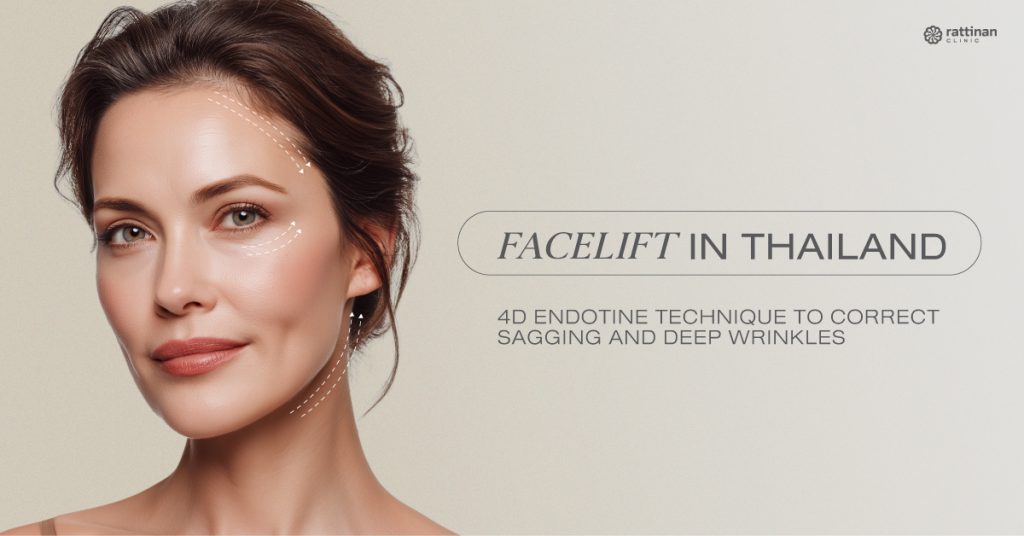
Considering a facelift abroad often comes down to one important concern: will the result look refined, or visibly surgical?
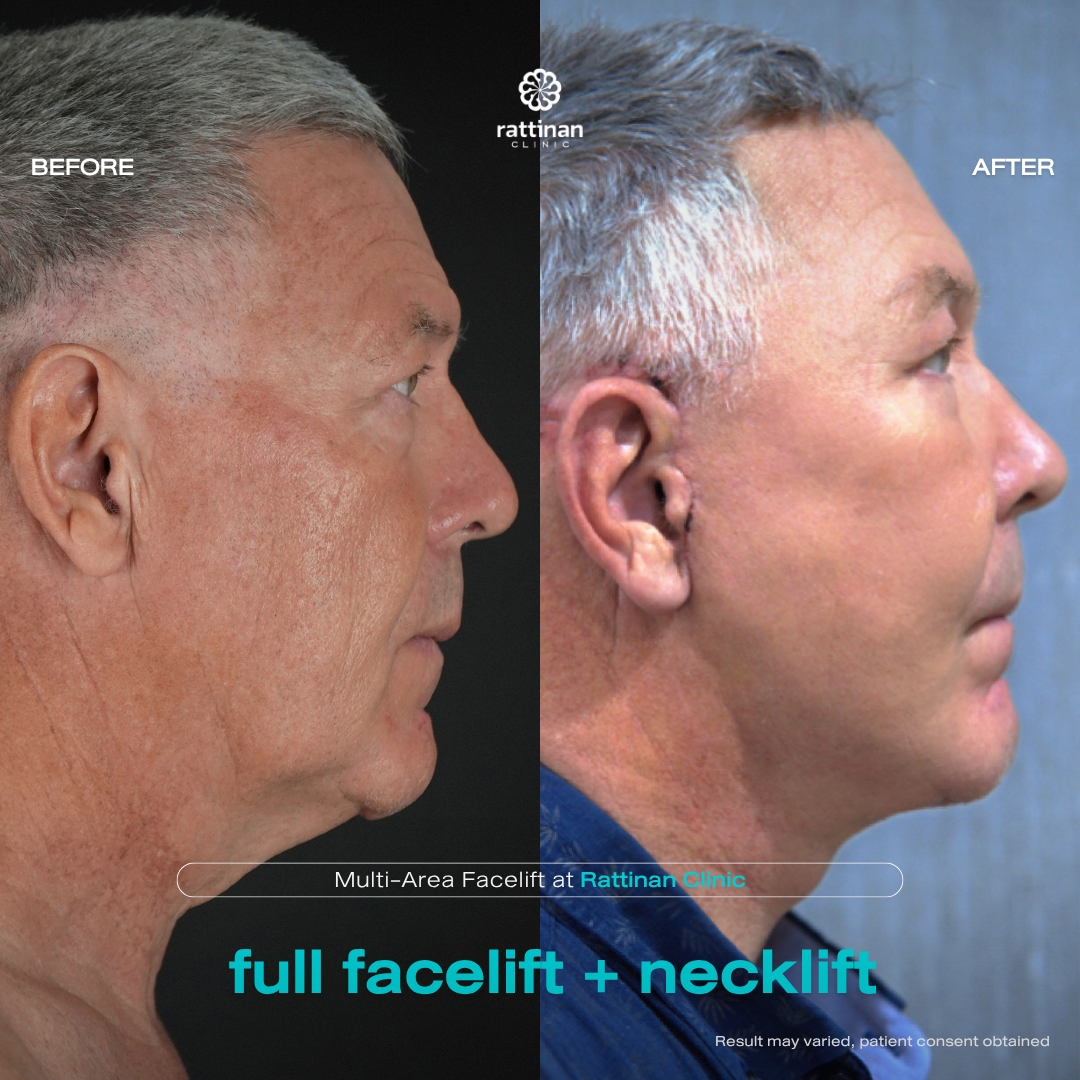
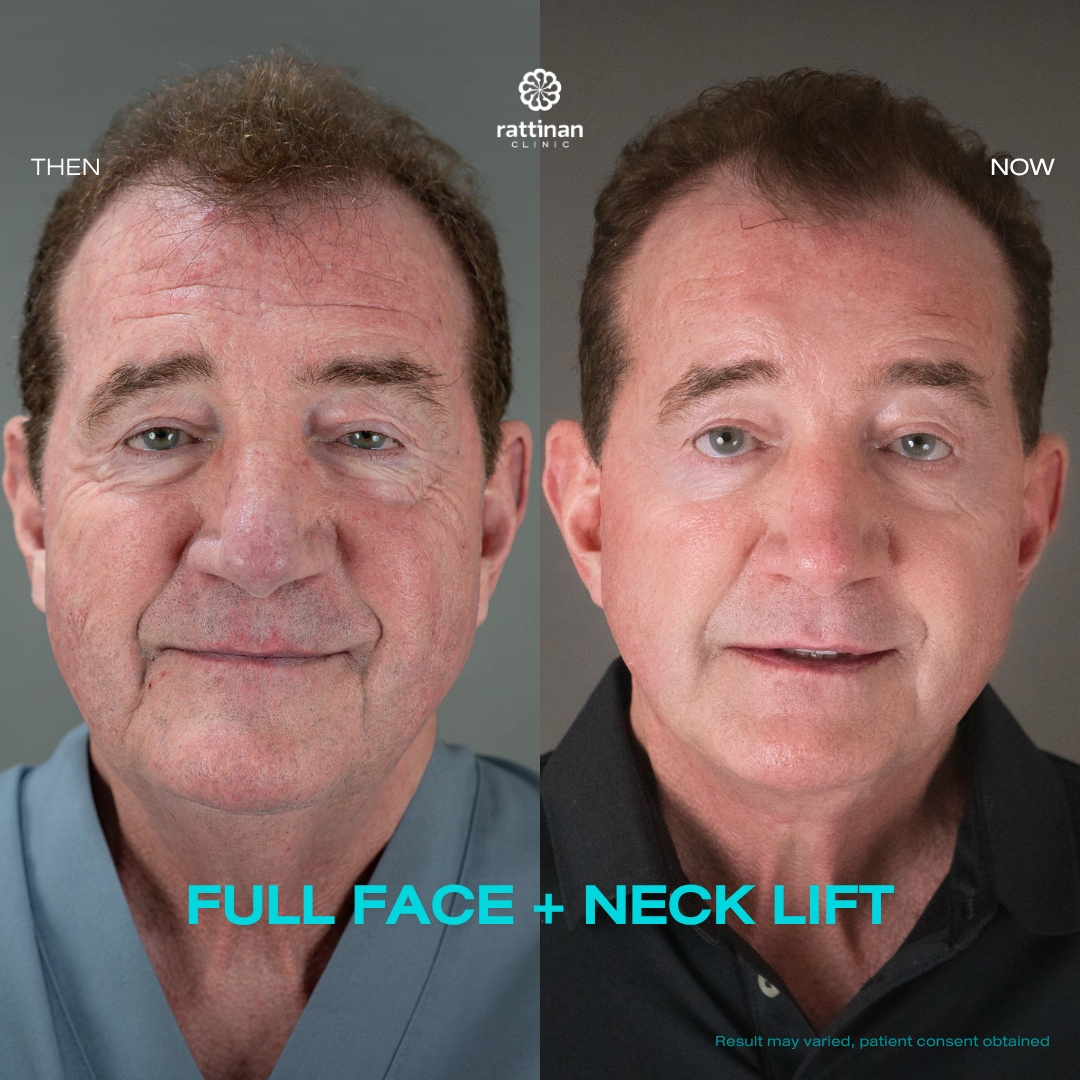
The goal is a rested, balanced appearance, with facial and neck contours refined with precision and restraint, not left tight or overdone. A facelift, or rhytidectomy, improves visible aging by repositioning facial tissues and redraping the skin.
At Rattinan Clinic, the surgical plane is selected according to your anatomy and may involve the SMAS or deeper support layers. It can refine face and neck contours, but it cannot stop aging or directly treat pigmentation, enlarged pores, acne scars, or skin texture.
Below, explore what a facelift can improve, how modern techniques differ, and what to expect from consultation through recovery.
Why Choose Thailand for Facelift Surgery? Expertise, Safety, and International Patient Care
Traveling for a facelift should come with clarity at every stage. Rattinan Clinic coordinates medical travel support before you arrive, through surgery in Bangkok, and during follow-up after discharge.
- Specialized expertise: The facelift team includes board-certified plastic and reconstructive surgeons. Documented training within the team includes facial, neck, and deep-plane lifting, allowing each patient’s surgeon and surgical approach to be selected according to their anatomy and treatment needs.
- Accredited standards: Ministry of Public Health-certified operating rooms, an ISO 14644-1 certified surgical clean room, rigorous sterilization protocols, and AACI accreditation.
- Coordinated medical care: Board-certified anesthesiologists provide monitoring. Partner-hospital clearance can be arranged when needed.
- Support across borders: Complimentary online and in-person consultations, Bangkok follow-up, and 24-hour online nursing contact after discharge.
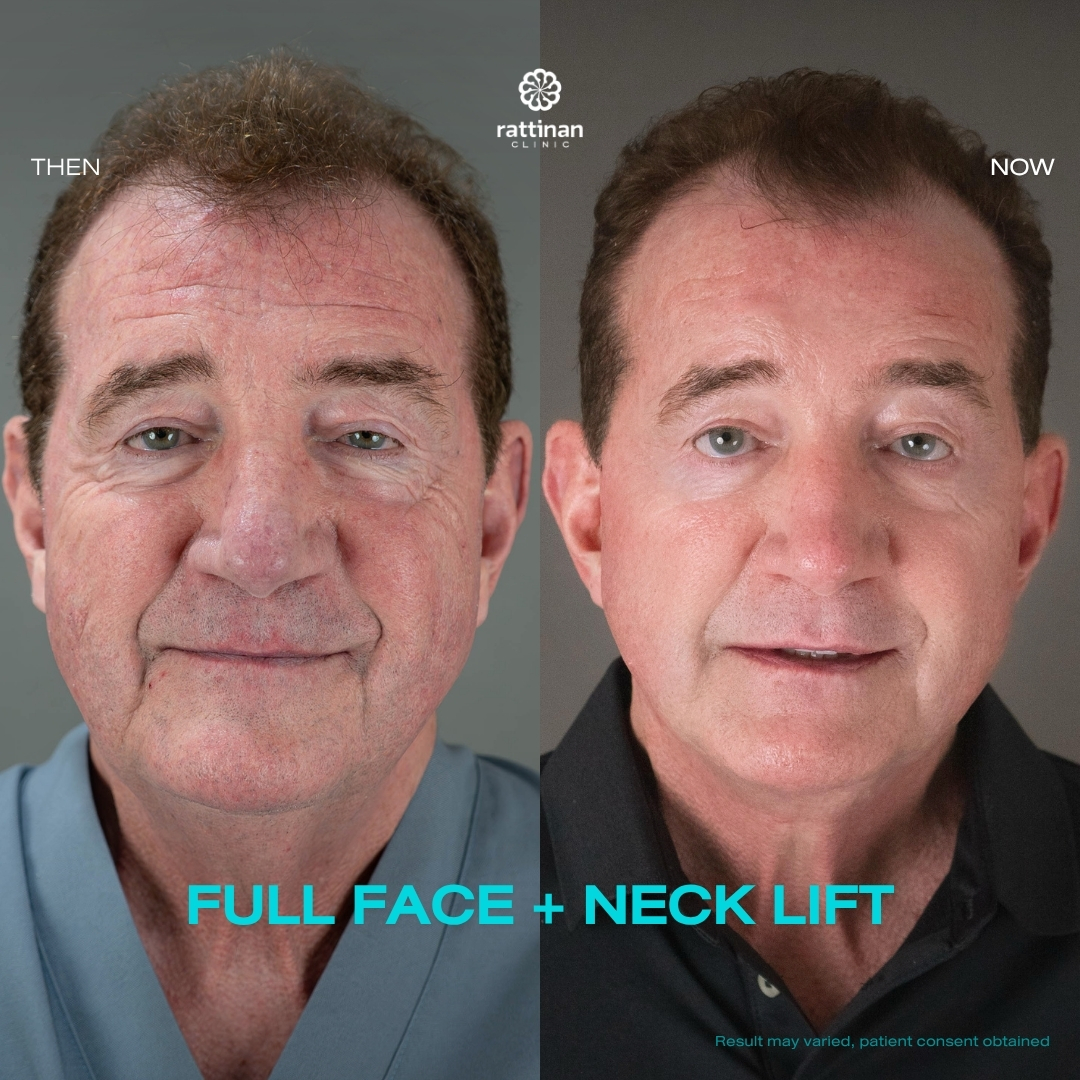
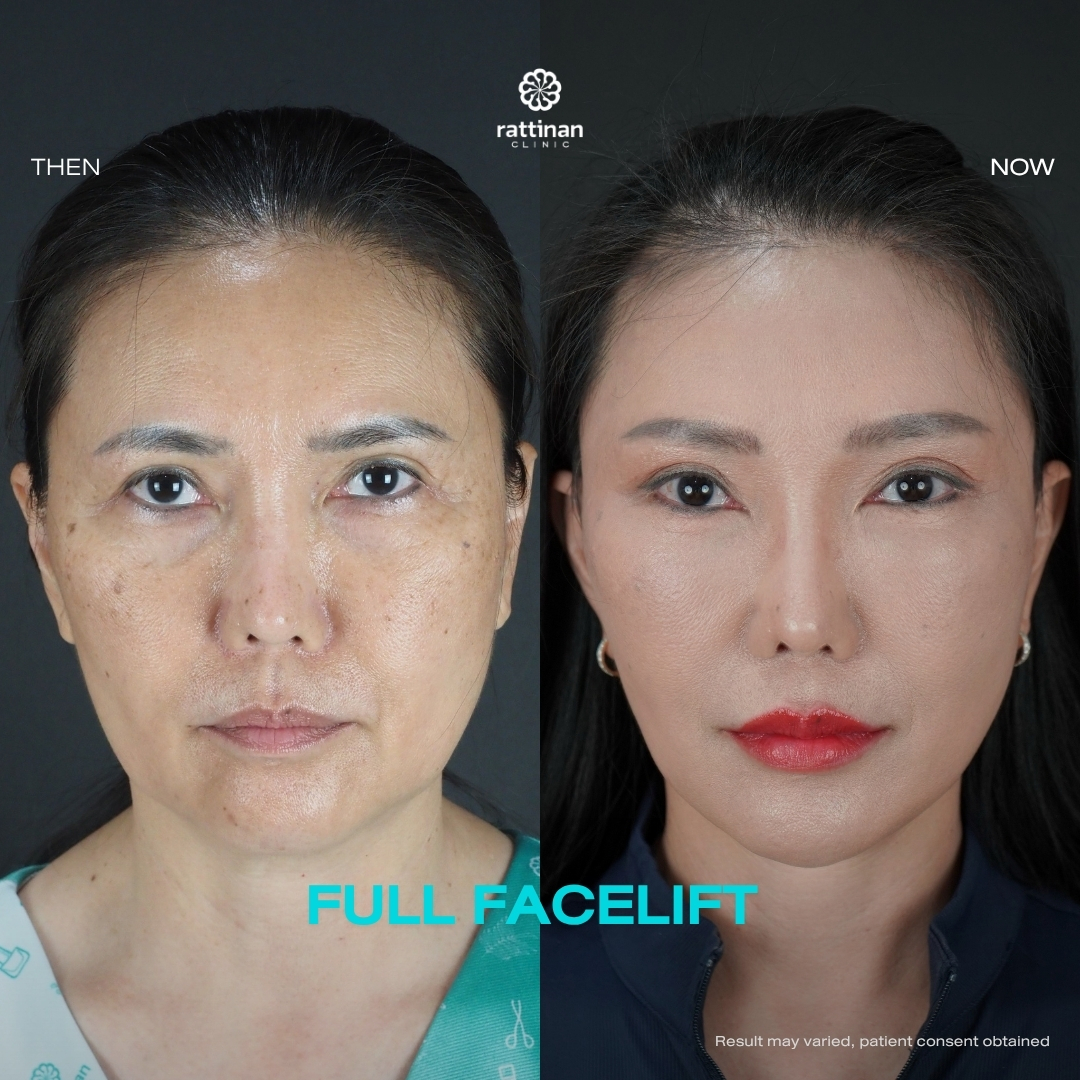
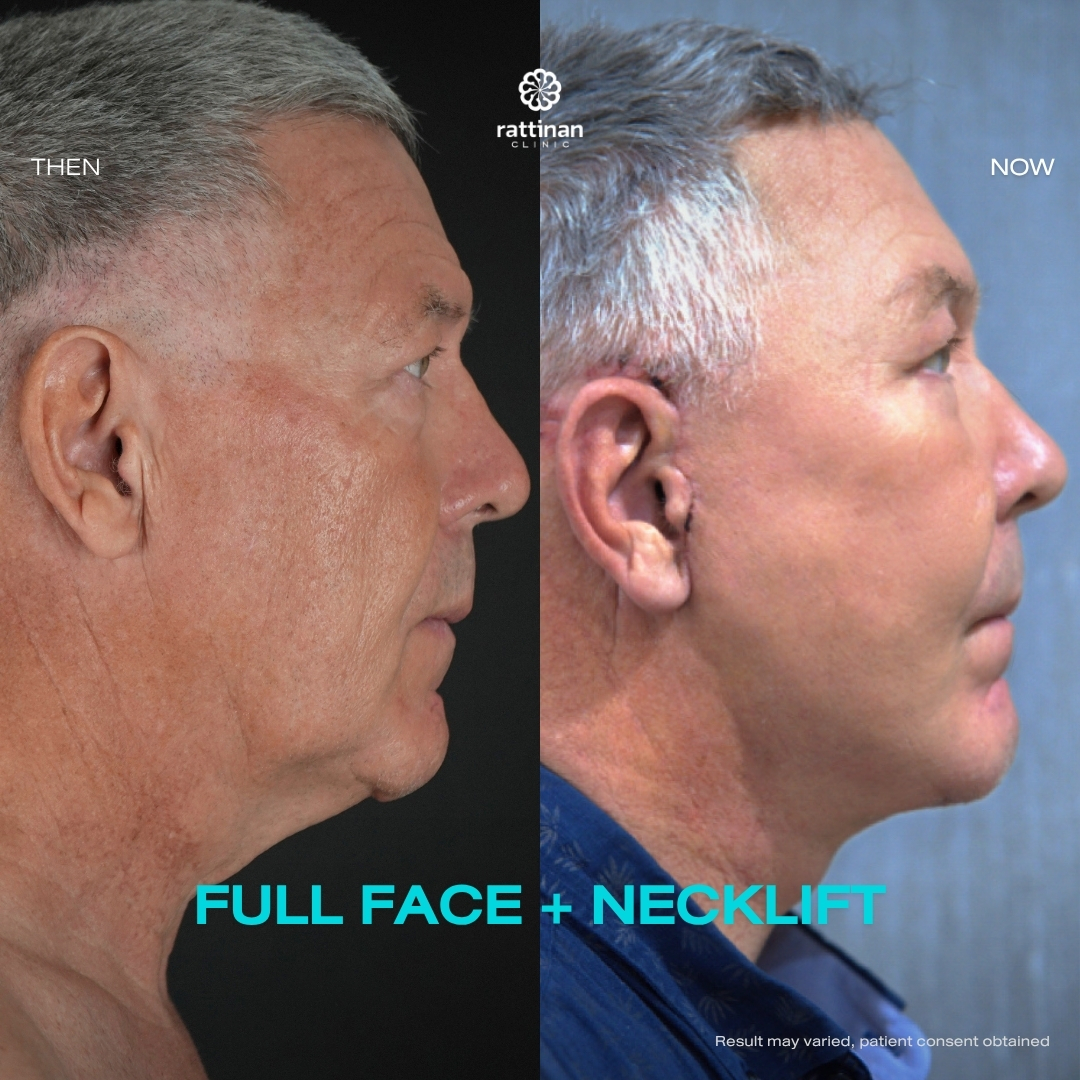
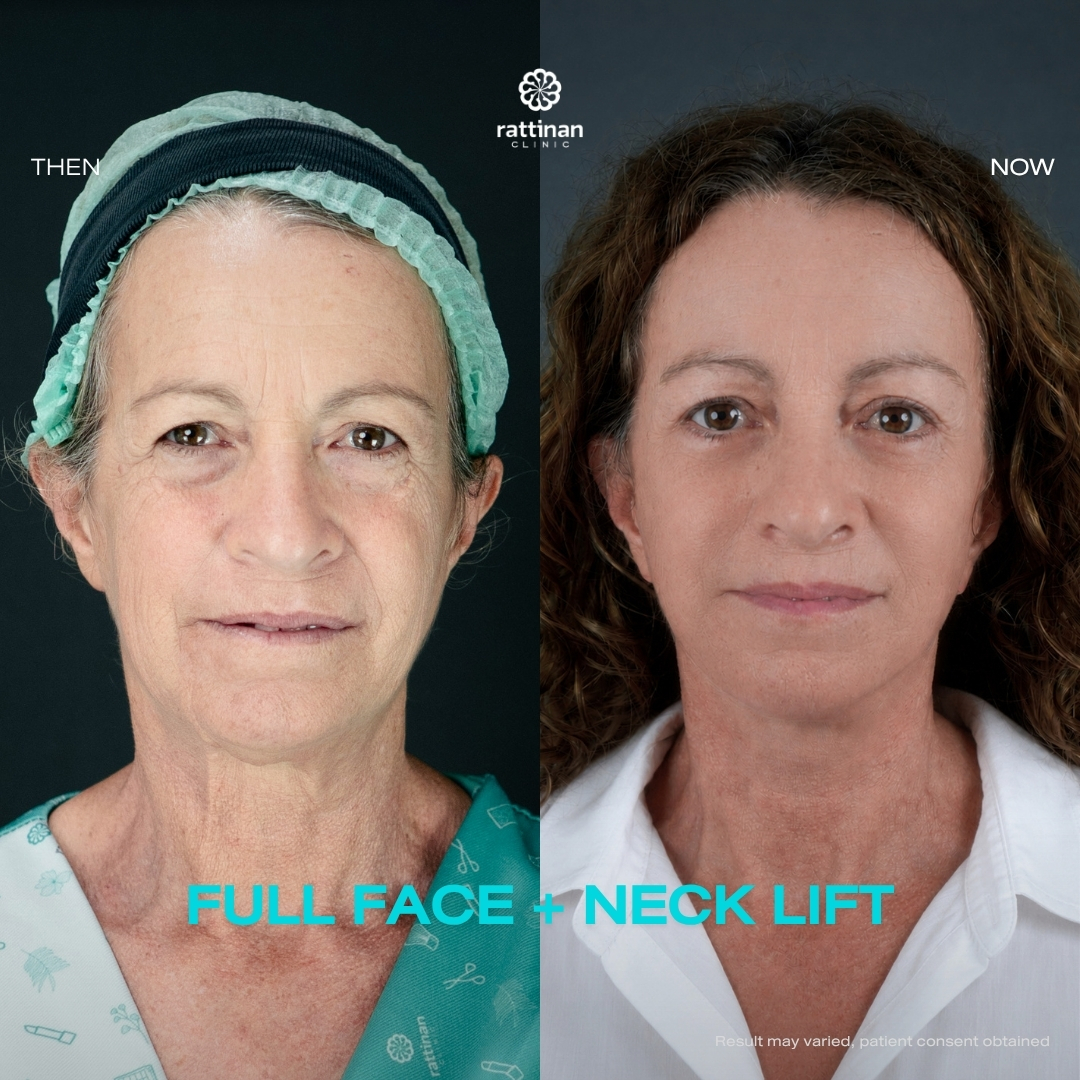
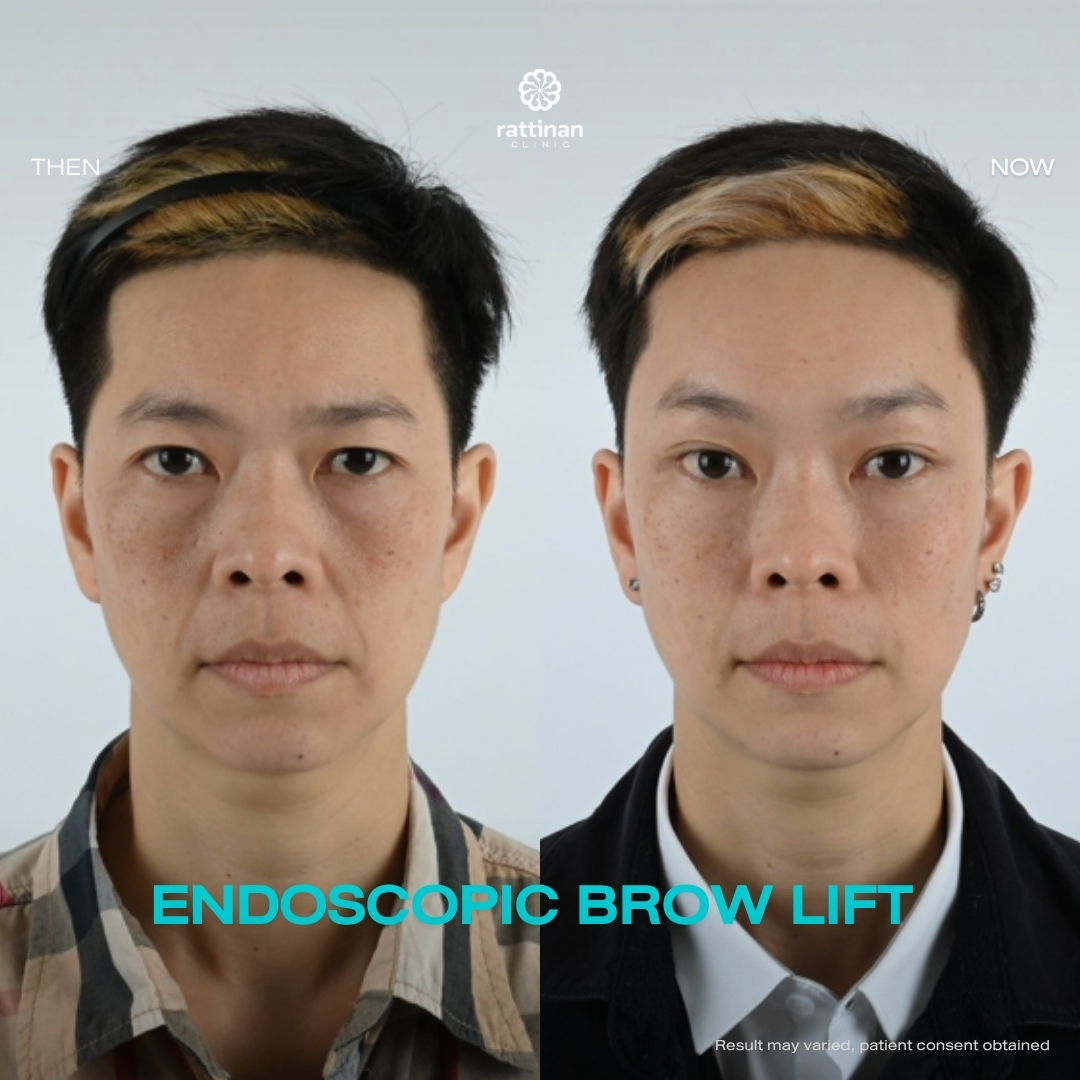
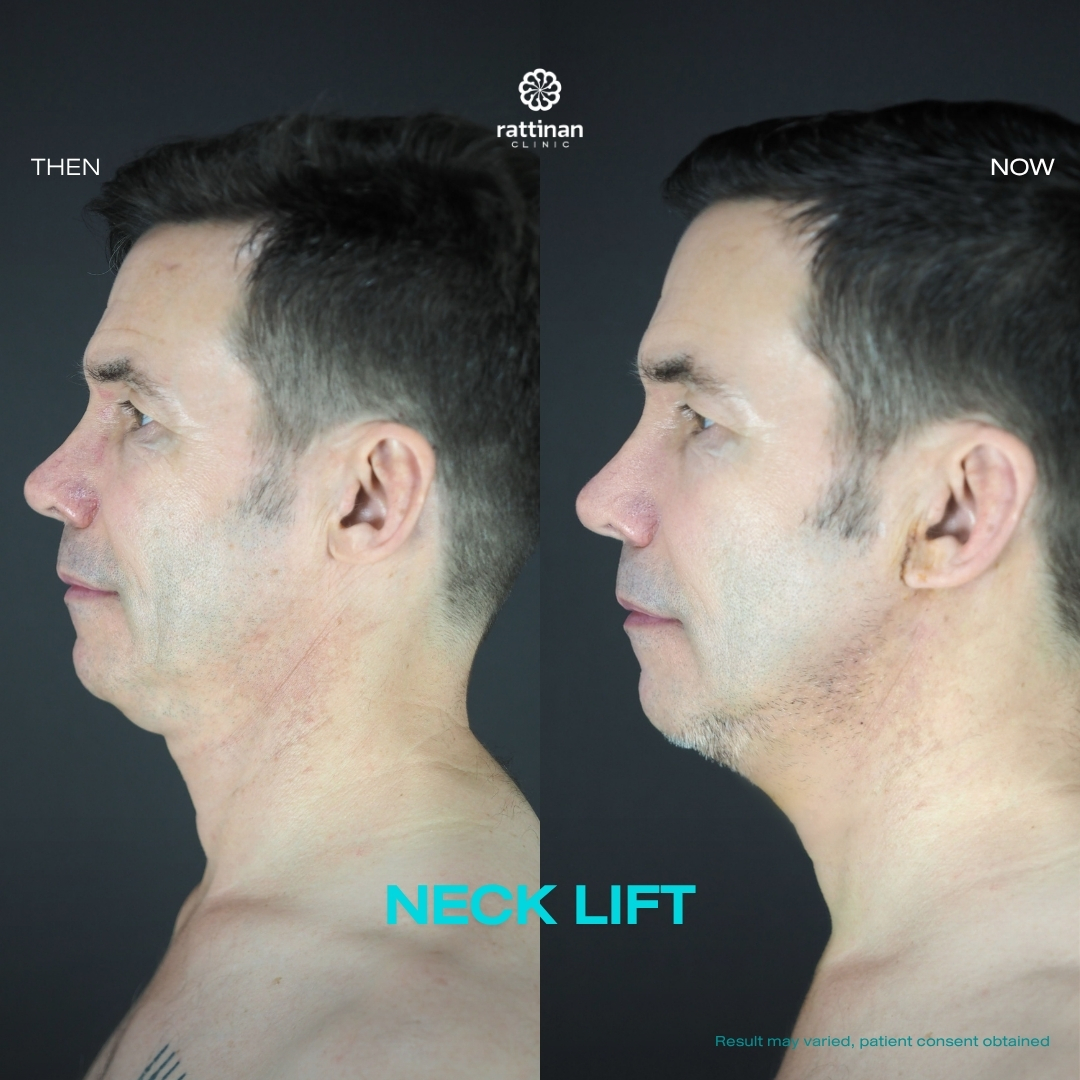
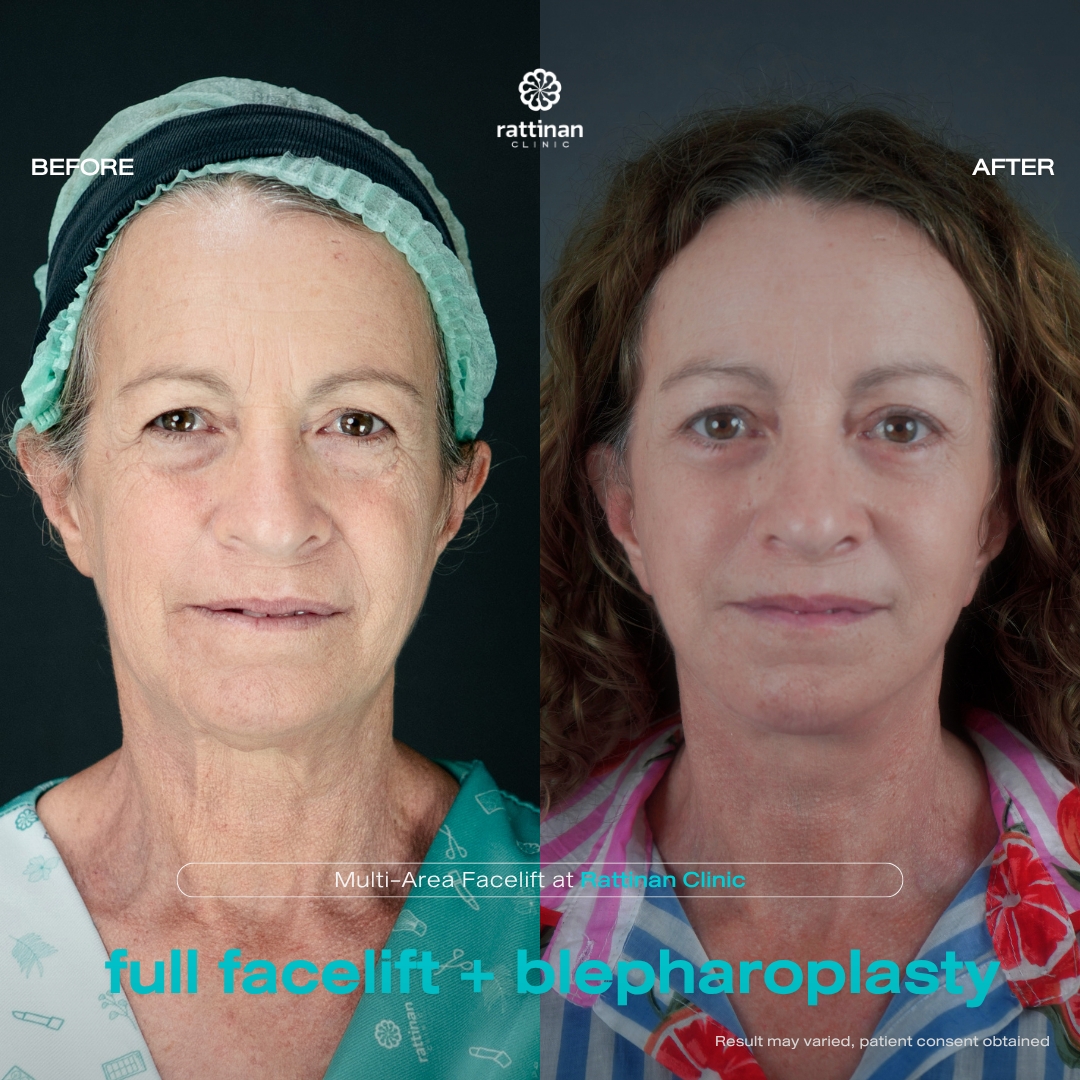
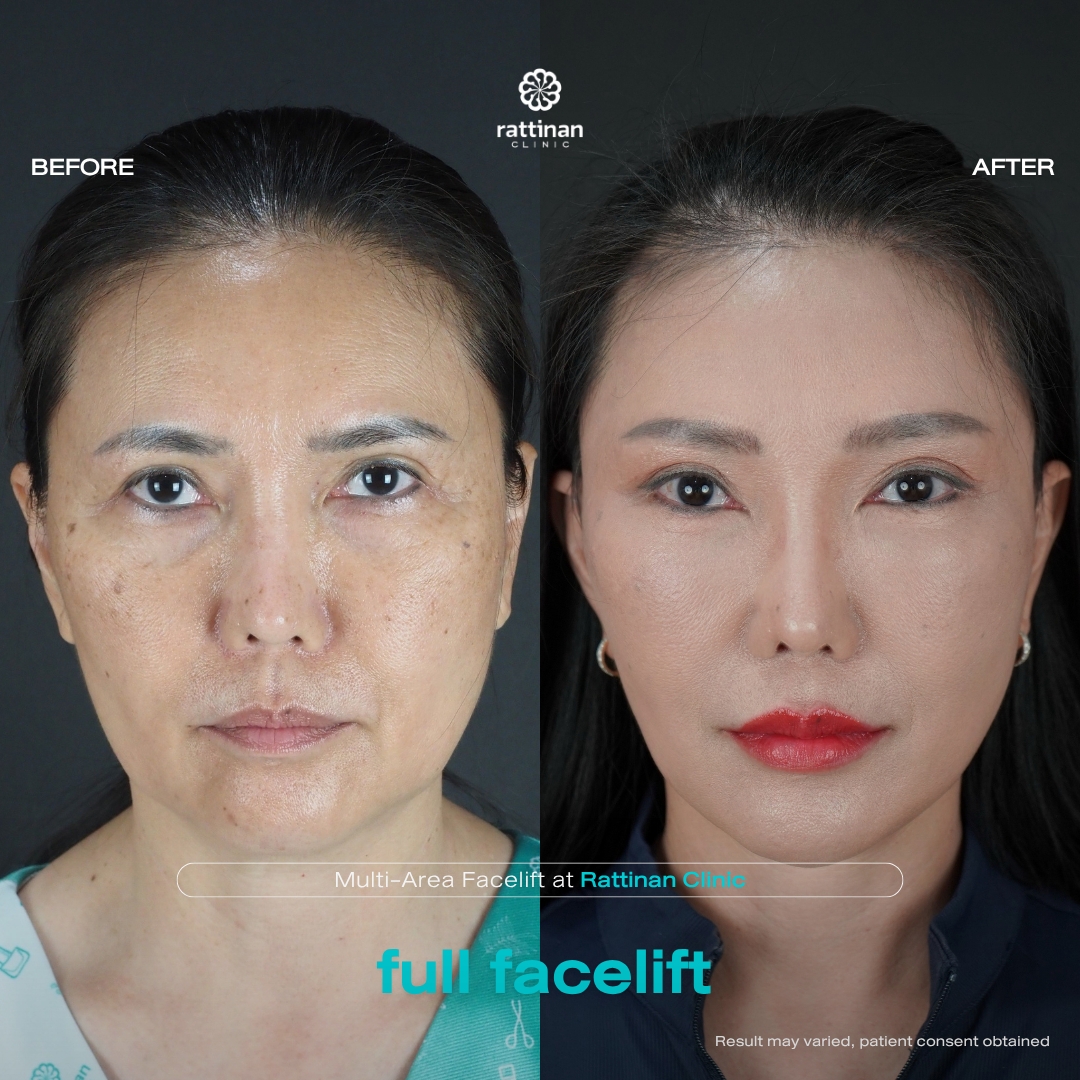
Facelift Safety in Thailand: What to Verify Before You Travel
Before choosing where to have surgery, confirm:
- Surgeon qualifications: Is your treating surgeon board-certified with relevant facelift and neck-lift experience?
- Deep-plane experience: If this technique is recommended, does the surgeon have documented training and regular experience performing it?
- Facility standards: Is the surgical facility currently licensed or accredited, with clear infection-control protocols?
- Anesthesia care: Who will administer and continuously monitor your anesthesia?
- Emergency planning: How would an urgent complication or hospital transfer be managed?
- Aftercare access: Who will assess concerns after discharge and after you travel home?
What Can a Facelift Improve? Jowls, Jawline Definition, Loose Neck Skin, and Deep Facial Folds
Jowls, a softer jawline, and loose neck skin rarely result from a single layer alone. Facial aging develops across several connected structures, so a precise facelift plan begins by identifying what has changed beneath the surface.
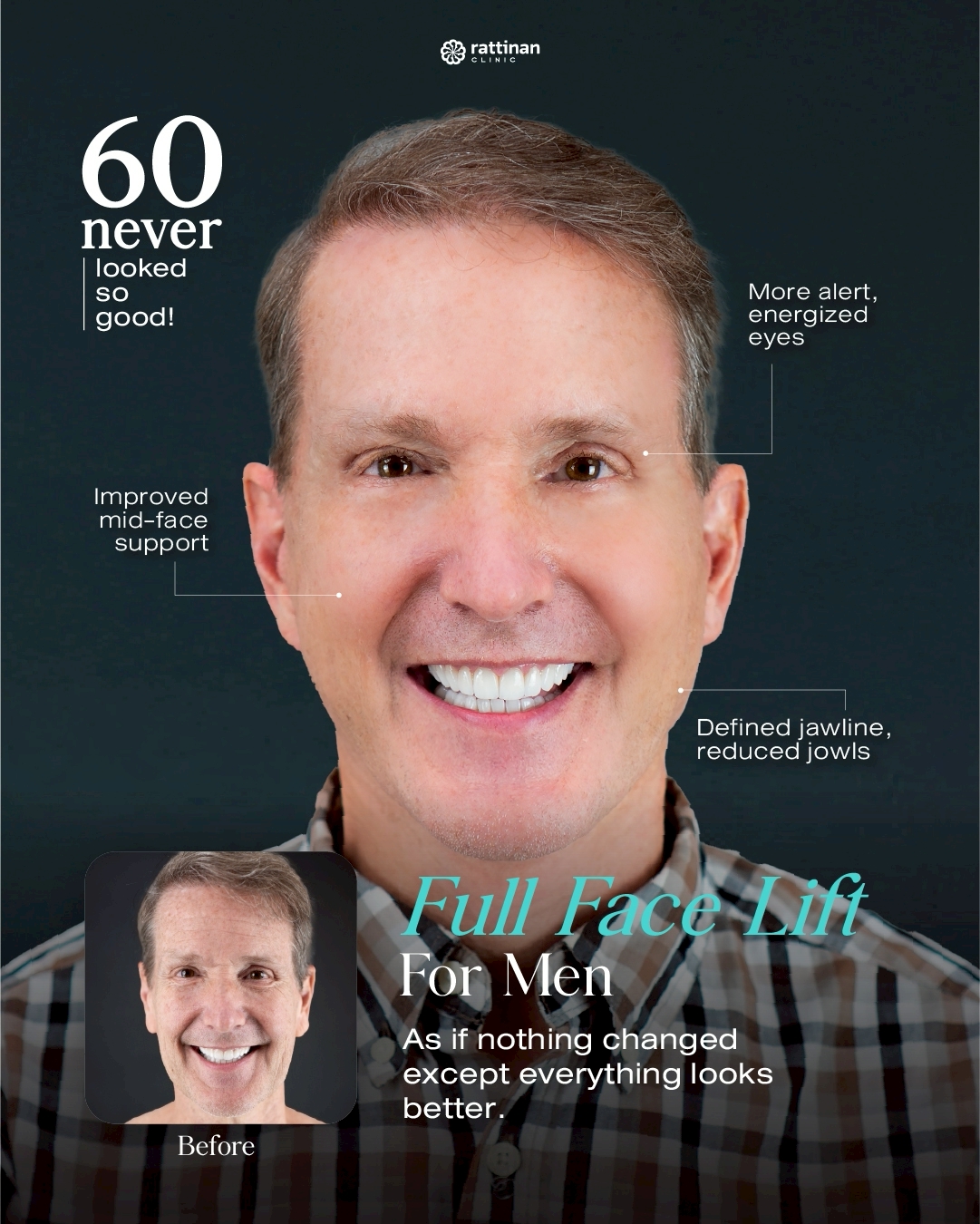
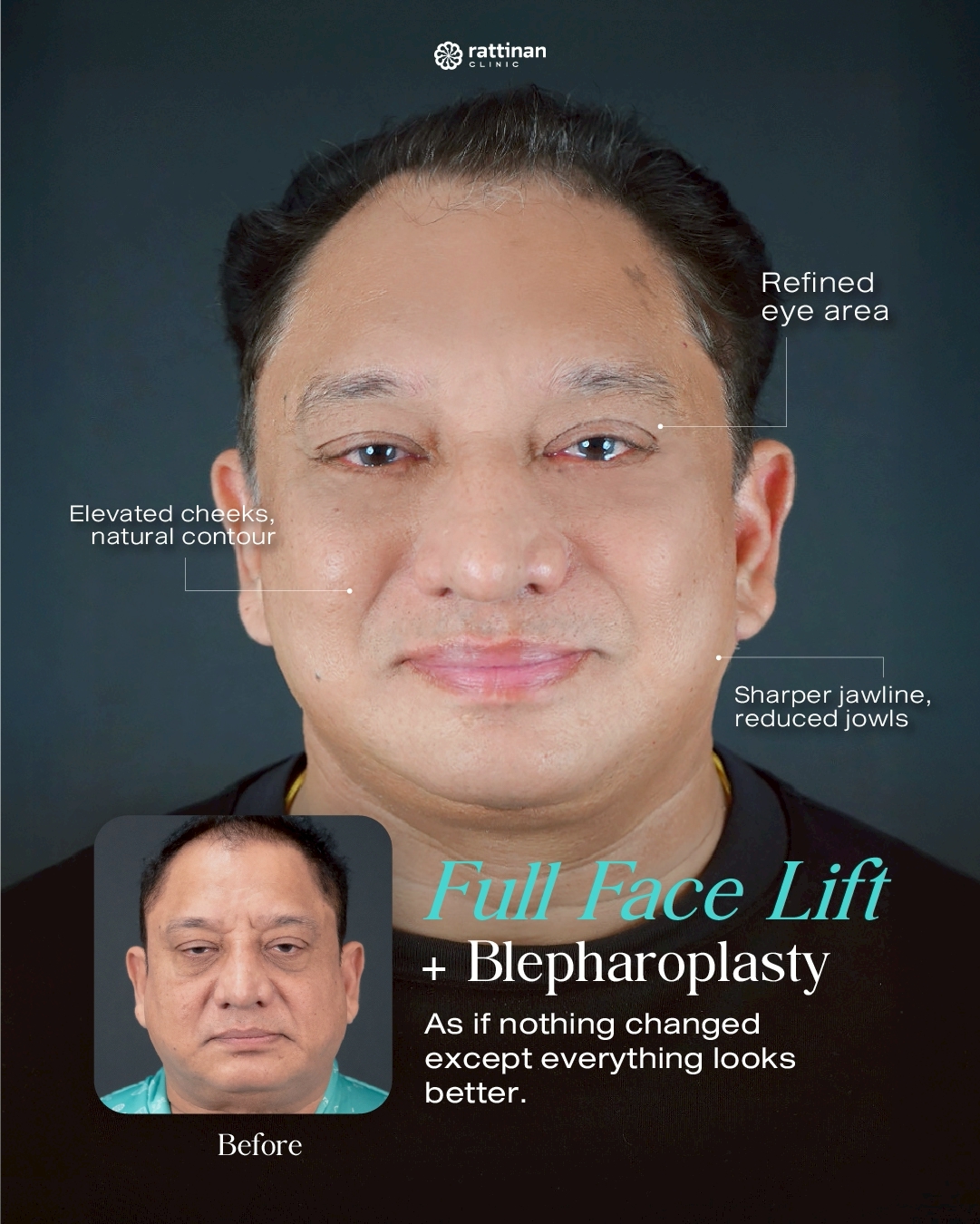
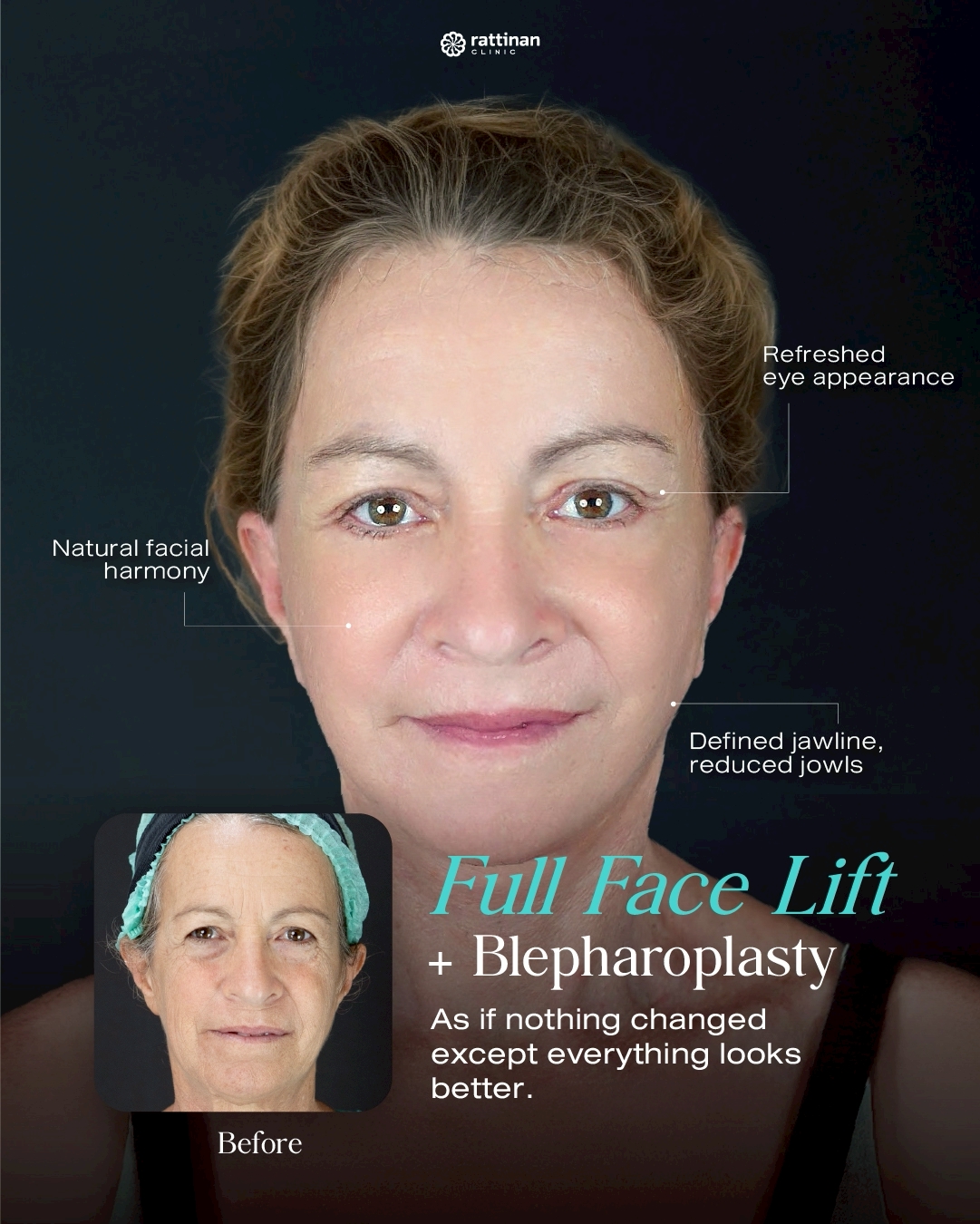
How Facial Aging Changes the Skin, Fat, SMAS and Deeper Support
- Skin influences elasticity, fine lines, texture, pigmentation, and scarring. Excess skin may be redraped during surgery, but a facelift is not primarily a skin-quality treatment.
- Facial fat shapes the cheeks, midface, and jawline. Aging may alter its volume and position, although not every heavy or hollow area is caused by fat alone.
- The SMAS and platysma provide connected support across the face and neck. The SMAS is a fibromuscular layer beneath the superficial facial fat, while the platysma is a thin superficial muscle in the neck. Modern facelift techniques may reposition these tissues rather than relying solely on skin tightening.
- Retaining ligaments anchor superficial tissues to deeper structures and influence how those tissues can be mobilized and repositioned.
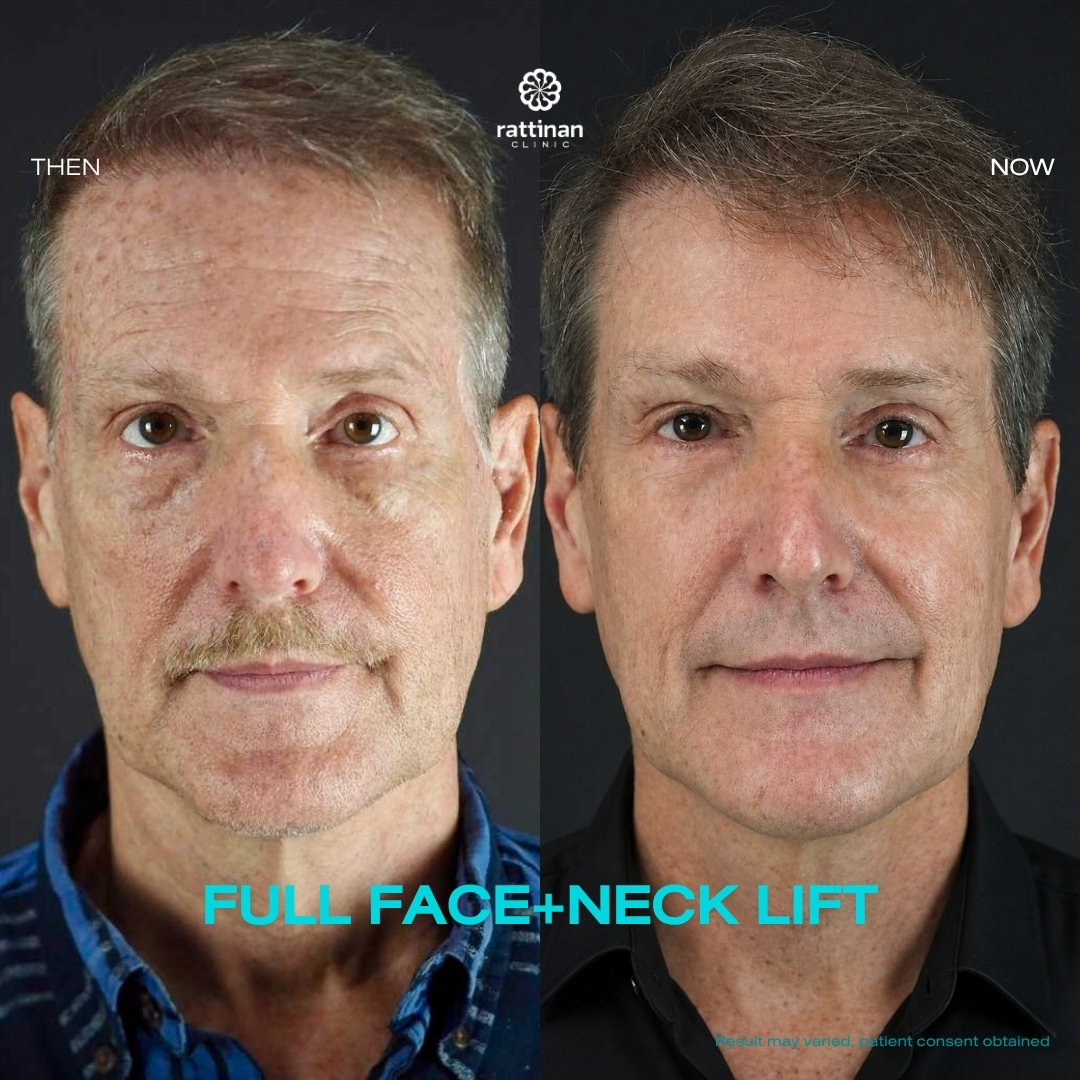
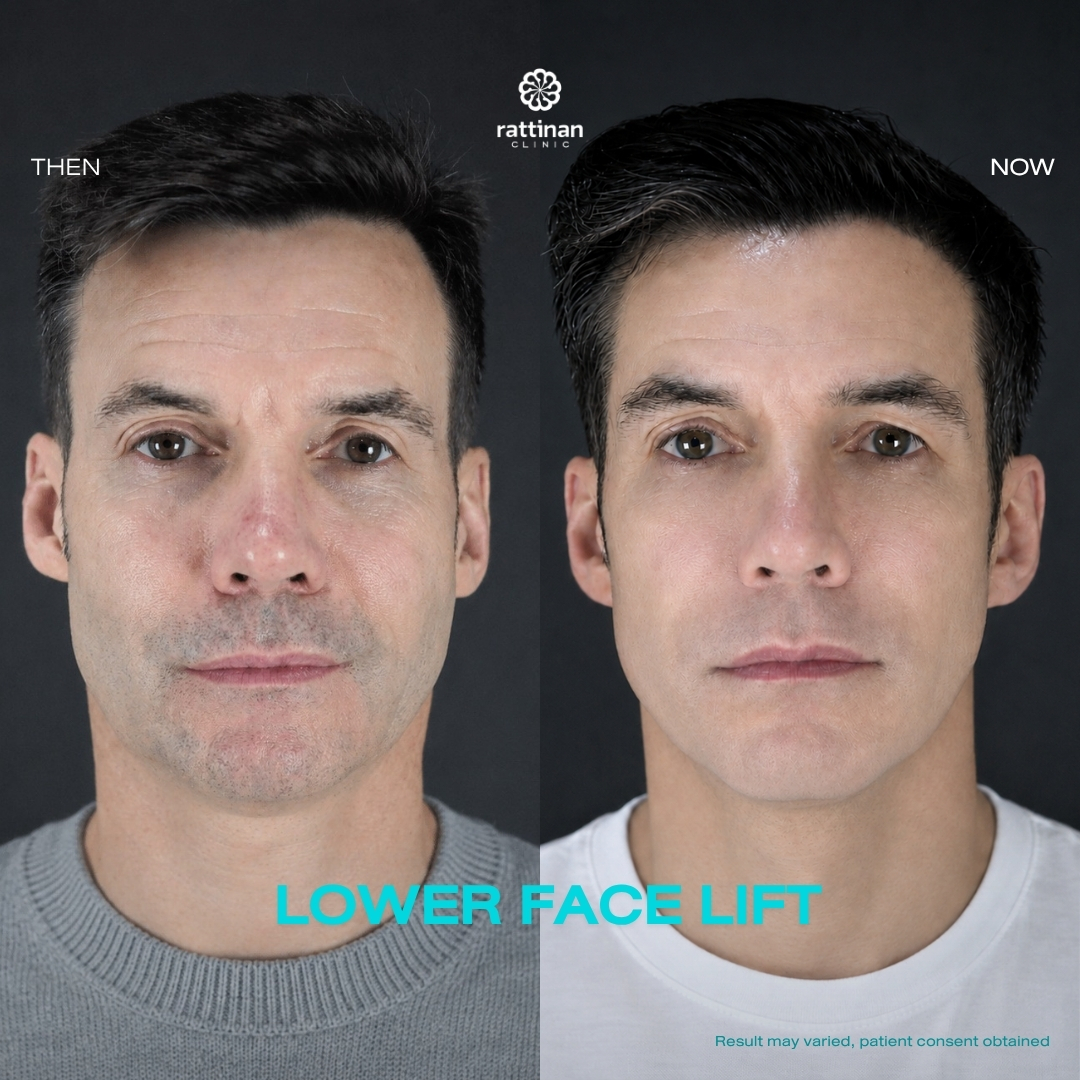
Depending on your anatomy, facelift surgery may improve jowls and jawline definition, soften nasolabial folds and marionette lines, and address loose neck tissue. Neck laxity may require neck lifting and platysma treatment.
Under-chin fullness may reflect localized fat, loose skin, or both and is not necessarily related to body weight. Changes in cheek volume may call for lifting or selected volume restoration.
What Facelift Surgery Cannot Treat: Pigmentation, Pores, and Acne Scars
A facelift does not directly correct pigmentation, enlarged pores, acne scars, or general skin texture. When these are the main concerns, skincare, laser treatment, or resurfacing may be considered separately, not automatically added.
Recognized risks include bleeding or hematoma, infection, poor wound healing or skin loss, prolonged swelling, numbness or other changes in sensation, temporary or permanent facial nerve weakness, hair changes near the incisions, asymmetry, anesthesia complications, and deep-vein-thrombosis-related cardiac or pulmonary complications.
No surgical team can remove every risk; careful screening, qualified care, and responsive follow-up create a clearer and more coordinated plan.
Facelift Techniques: SMAS, Deep Plane, Neck Lift and Endoscopic Options
The name of a facelift technique matters less than choosing the right anatomical approach. At Rattinan Clinic, the surgeon evaluates facial and neck laxity, skin quality, previous procedures, and incision needs before recommending the most appropriate approach.

| Technique | Primary focus | May Address |
| SMAS facelift | Adjusts the SMAS beneath the skin and fat by tightening, folding, removing a section, or repositioning it | Lower-face laxity, jowls, jawline, and neck concerns |
| Deep plane facelift | Works beneath the SMAS and may release ligaments so skin and deeper tissues move together | Cheeks, midface descent, lower face, jowls, and jawline |
| Neck lift | Treats the platysma, loose skin, and/or localized under-chin fat | Loose neck tissue, under-chin fullness, and reduced jawline definition |
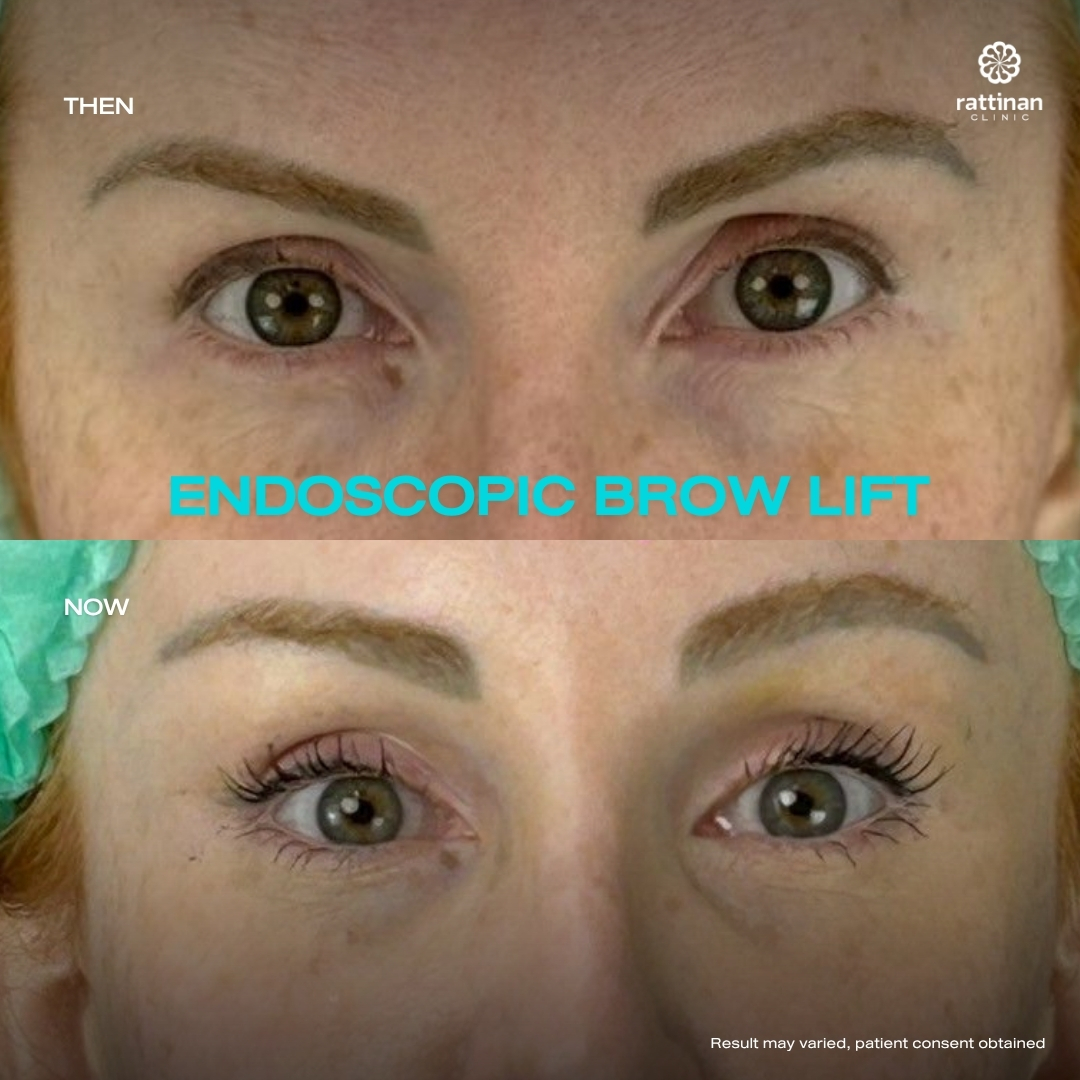
| Endoscopic upper-face lift | Camera-assisted through small scalp incisions; Endotine may support elevated tissue | Brow, forehead, and upper-face concerns |
Endotine is a fixation device, not a facelift plane or substitute. A neck lift may be performed alone or with lower-face surgery. Brow lift, eyelid surgery, fat grafting, or skin resurfacing are added only when another concern requires treatment.
Deep Plane Facelift in Thailand: Structural Repositioning Beyond Skin Tension
A deep plane facelift works beneath the SMAS in selected areas. The surgeon may release retaining ligaments so deeper tissues and skin can be repositioned together with less reliance on skin tension. It is not universally better than SMAS techniques; both can provide durable results with appropriate selection.

| Advantages | Disadvantages and Considerations |
| May mobilize cheek, midface, and lower-face tissues together | Higher cost and longer operating time |
| Less skin pulling may support a balanced lift and lower skin-edge tension; scar quality still varies | More complex dissection near facial nerve branches; surgeon-specific deep-plane training and experience are especially important |
| May improve the jawline and neck when platysma or neck treatment is included | Deeper swelling may take longer to settle |
| May provide long-lasting structural improvement, although duration remains individual | Temporary numbness, altered sensation, or nerve sensitivity may occur |
*Technique, longevity, and recovery remain individual. Explore deep plane facelift in Thailand.
Endoscopic Upper-Face Lift with Endotine: Precise Support Through Small Scalp Incisions
At Rattinan Clinic, facelift procedures that include the upper face use an endoscopic approach with Endotine fixation through small incisions within the hair-bearing scalp.
The camera supports visualization, while Endotine helps secure the elevated tissue during healing. This lightweight, flexible, bioabsorbable fixation implant is gradually absorbed over approximately 6–12 months. It does not perform the lift itself or determine how long the overall facelift result will last.
Endotine and the endoscopic approach are included in applicable quotations without a separate fee. The incisions are placed within the scalp, but the procedure is not scarless.
Is a Facelift Right for You? Why Anatomy Matters More Than Age
A facelift is not defined by a birthday. The more meaningful question is what has changed in the face or neck, and whether surgery is the right response.
Your surgeon considers the pattern and degree of facial or neck laxity, skin quality, overall health, healing risks, nicotine use, medications and supplements, previous facial procedures, realistic expectations, and readiness for recovery.
Being younger does not automatically rule surgery in or out. Concerns centered on pigmentation, pores, acne scars, or texture may be better suited to skin-focused care. Candidacy, technique, and any complementary procedure are confirmed after a full assessment.
Facelift in Bangkok for International Patients: From Online Consultation to Follow-Up Care
For international patients, reassurance comes from knowing what happens next, and who remains available at each stage. Rattinan Clinic begins planning before you travel and continues care through recovery and follow-up in Bangkok.
1. Free Facelift Consultation (Online or In Person)
Online and in-clinic consultations are complimentary. Your surgeon reviews your concerns, medical history, medications, supplements, and previous procedures, then assesses facial and neck laxity. You can discuss possible treatment areas, benefits, limitations, risks, and recovery. The surgeon confirms medical suitability and the final plan.
2. Preoperative Medical Clearance and Personalized Planning
Preparation may include standardized photographs, lab tests, consent, postoperative arrangements, and guidance on food, alcohol, smoking, and nicotine. Medication should only be changed when directed by your surgeon, anesthesia team, or prescribing physician. If general anesthesia requires additional clearance, Rattinan Clinic can arrange an assessment with a partner hospital.
3. Facelift Surgery Day: Design, Anesthesia, and Monitored Recovery
After final markings and photographs, the team follows the agreed plan, which may include a facelift, neck lift, upper-face procedure, or complementary treatment. Wound closure, dressings, and monitored post-anesthesia recovery follow. Deep-plane surgery, Endotine fixation, and neck lifting are not required in every case.
4. Facelift Recovery: Compression, Swelling, and Wound Care
Rattinan’s surgeon-directed protocol may include a compression garment worn continuously for two to four weeks, cold compresses for three days, and warm compresses afterward when advised. Never place ice directly on an incision.
Keep your head elevated, avoid sleeping face-down, keep hairline and ear incisions clean and dry, and avoid makeup or skincare on fresh wounds. At your hotel or home, arrange transport, a responsible adult, direct clinic contact, and follow-up visits before travel.
5. Facelift Follow-Up and Suture Removal
Sutures are often removed in stages: around Day 7 in front of the ears, Day 10 for scalp staples, and Day 14 behind the ears. Timing varies with healing and incision placement. Travel should follow wound review and medical guidance, not a fixed date. Follow-up can continue after you return home.
Facelift Incisions and Scars: Discreet Placement, Honest Expectations
Incisions may follow the curves around the ears, extend into the hairline, sit within the scalp for endoscopic upper-face treatment, or be placed beneath the chin for selected neck work. No facelift is scarless. Careful placement helps conceal scars, which gradually soften and mature at an individual pace.

How Long Do Facelift Results Last?
Facelift results often remain noticeable for around 7–10 years, while some deep-plane results may last approximately 10–15 years. This is a broad estimate, not a guarantee.
Surgery does not stop aging, and longevity varies with anatomy, technique, treatment extent, skin quality, sun and nicotine exposure, weight changes, and overall health. Your surgeon can provide a more relevant estimate after examining your face and neck.
A Refined Facelift Result Begins with an Honest Consultation
A successful facelift in Thailand begins with a careful assessment of your facial and neck anatomy, followed by the technique best suited to your needs. Deep-plane lifting and endoscopic Endotine fixation may be considered when appropriate, alongside qualified surgical and anesthesia care, realistic expectations, and structured follow-up.
Book a free, no-obligation online consultation with Rattinan Clinic to discuss your concerns and receive a personalized surgical plan.
Frequently Asked Questions about Facelift
On average, the results of a facelift last about 7–10 years. This depends on several factors, such as the surgical technique; if it is a deep-plane lift to the muscle layer, the results will last longer than a skin-only lift. Additionally, self-care, avoiding sunlight, refraining from smoking, and consistent skincare maintenance will help maintain youthfulness longer. Age and original skin condition are also relevant; skin structures with good elasticity usually maintain results for a longer period.
Although it helps the face look significantly younger, facelift surgery has precautions or side effects that may occur. For example, the recovery period takes about 1–2 weeks for bruising and swelling to subside. This includes scarring, though surgeons hide the wounds along the hairline or behind the ears; redness may be visible in the early stages.
Furthermore, there are surgical risks such as temporary numbness, bleeding under the skin, or risks from general anesthesia. However, it cannot stop aging; a facelift helps “turn back the clock,” but the body’s natural aging process continues.
Choosing a surgical facility should be based primarily on safety and standard criteria. There should be specialized plastic surgeons, and the medical facility must be properly licensed. It should have modern and clean equipment, and you should view reviews featuring real photos (Before/After) or video interviews to assist in your decision. Additionally, there should be a team of nurses and staff to provide care and closely monitor symptoms.
A facelift helps comprehensively manage problems of sagging and deep wrinkles across the face. By lifting sagging skin, it corrects deep nasolabial folds, marionette lines, drooping eyebrows, and sagging eyes, as well as double chins and sagging neck skin to become firm again. This surgery helps adjust the facial structure to be more balanced and defined, resulting in a face that looks naturally bright and younger than your actual age, while greatly enhancing confidence in social situations and daily life.
A facelift helps comprehensively manage problems of sagging and deep wrinkles across the face. By lifting sagging skin, it corrects deep nasolabial folds, marionette lines, drooping eyebrows, and sagging eyes, as well as double chins and sagging neck skin to become firm again. This surgery helps adjust the facial structure to be more balanced and defined, resulting in a face that looks naturally bright and younger than your actual age, while greatly enhancing confidence in social situations and daily life.
The results will look natural and allow for normal facial expressions if a deep muscle layer technique is used. At Rattinan Clinic, we prioritize modern facelift techniques that are not just about pulling the outer skin tight. Instead, surgeons reposition the facial muscle layer (SMAS) into the appropriate position. This technique helps the face look firm and youthful while allowing the patient to smile and show facial emotions normally without looking stiff like facelifts of the past.
Surgical scars are very difficult to notice because the incision positions are delicately designed to be hidden. Surgeons will hide the incision lines in spots that blend with natural anatomy, such as the hairline or the folds behind the ears, and use particularly meticulous suturing techniques. Once the wound has completely healed, the redness will fade until it almost merges with the skin, making it difficult to notice even from a close distance. This helps patients avoid worrying about scars after the procedure.
Results generally last for approximately 10–15 years and do not require a repeat in a short period because it is a permanent correction of the internal muscle structure. Although the natural aging process continues, your face will always look younger than those who have not had surgery. The longevity of the results also depends on the original skin condition and post-operative self-care. If more than ten years have passed and you wish to maintain a “perfect” look, you can consult a doctor for further adjustments.
Patients will not feel pain during the surgery and only require 1–2 weeks of recovery to return to normal life. Throughout the surgery, you will be under the care of an Anesthesiologist to safely manage anesthesia. After surgery, there may only be a feeling of tightness or slight soreness, which is controlled with pain medication. Swelling and bruising will gradually subside and settle within approximately 7–14 days. It is recommended to wear the facial compression garment as directed by the doctor to help tissues adhere and reduce swelling faster.
The main risk is injury to blood vessels or nerves, which can be prevented by having the surgery performed by a specialized plastic surgeon. Although a facelift is a highly safe procedure, it may carry general risks similar to major surgery, such as temporary numbness or a hematoma (blood collection under the skin). Choosing a standard facility like Rattinan Clinic and operating with highly experienced doctors will significantly reduce the chance of these complications.
An endoscopic facelift provides very small surgical incisions, resulting in a faster recovery than normal techniques. With small camera equipment that helps the surgeon clearly see important structures under the skin, muscles can be lifted accurately, reducing the risk of injury to nerves and blood vessels. It helps reduce post-operative swelling and is especially suitable for those who want an upper face lift without long scars.
A facelift can be done with other procedures for a complete “Total Youth” facial rejuvenation result. It is popular to do it alongside double eyelid surgery, under-eye bag removal, or fat grafting to restore volume to a hollow face for a fuller look. Doing them together allows the patient to undergo anesthesia once, recover at the same time, and achieve beautiful, balanced results in all parts of the face.
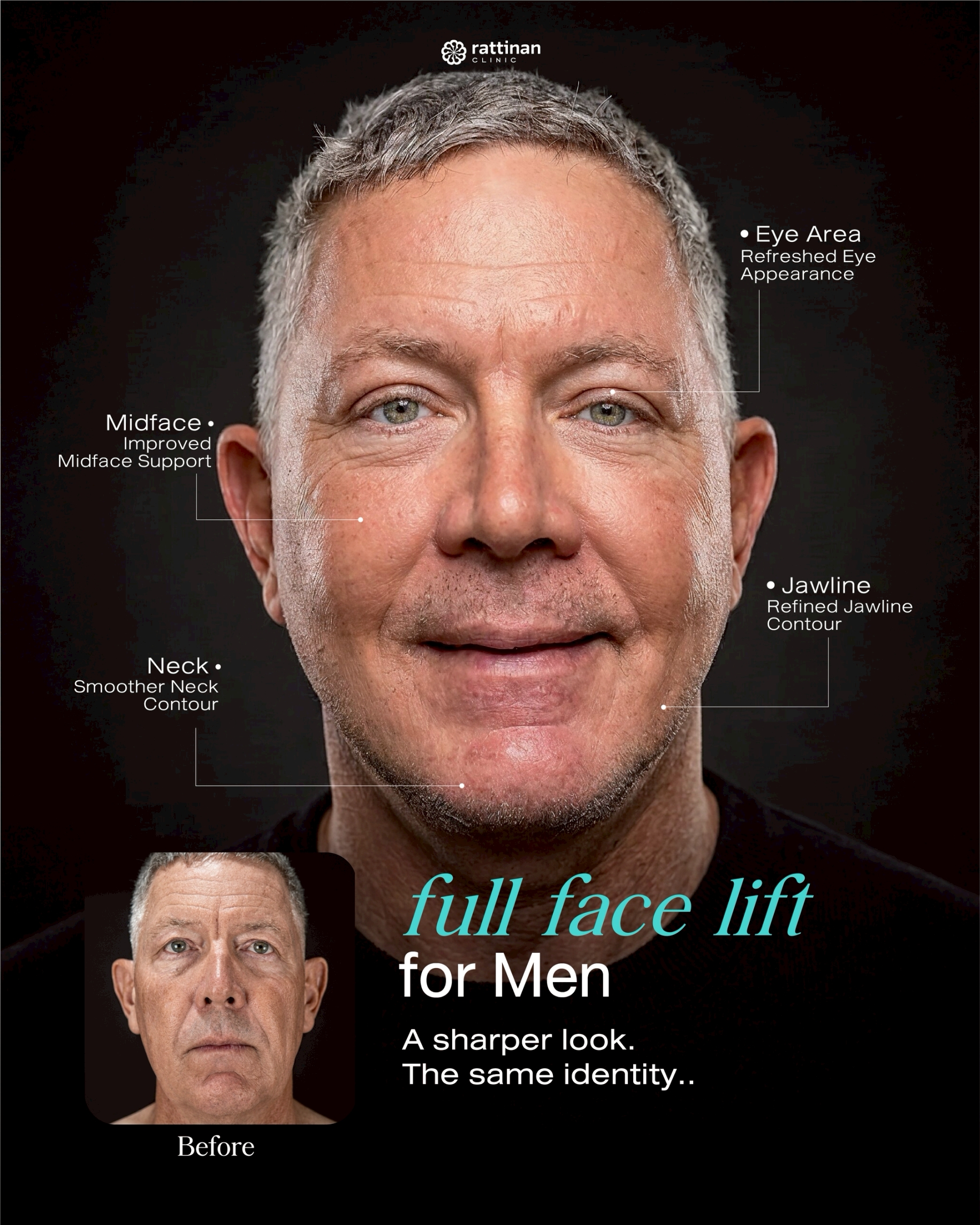
Men can have facelifts just like women, with techniques adjusted to suit the specific facial structure of men. Surgeons consider maintaining the strength of the jawline and are careful about the position of the beard and hairline so that the results look natural and maintain masculinity. So, facelifts in men require high expertise in designing incision lines so they do not look unnatural or change the person’s unique identity.
Wear the facial compression garment 24 hours a day for at least 2–4 weeks. It is very important for reducing swelling and helping the skin adhere to the muscles more quickly.
Our Expert Medical Contributors are licensed doctors and specialists who ensure every article is accurate, trustworthy, and easy to understand. Guided by our commitment to safety, care, and confidence, they provide expert insights to help patients make informed decisions. At Rattinan, we believe that knowledge is the first step to transformation.
Related Doctor
JATUPORN SUESAT, M.D.
SUNISA THONGPRAYOON, M.D.
DITSAYANIN THAWEETHANATSIT, M.D.
TAVEECHAI TAVEECHAROENKOOL, M.D.
Related Articles
Deep Plane Facelift in Thailand: Natural-Looking Rejuvenation, Designed to Last