
 Thai
Thai English
If you’re dealing with enlarged male breast tissue, often called “man boobs” or “puffy nipples”, it is more than just a physical issue. This condition affects your confidence, your daily life, and your relationships.
You may have already tried intense exercise, strict dieting, or even avoiding taking your shirt off in public, but the problem is still there. This is because Gynecomastia is complex, and in some cases, exercise alone is not enough to fix it.
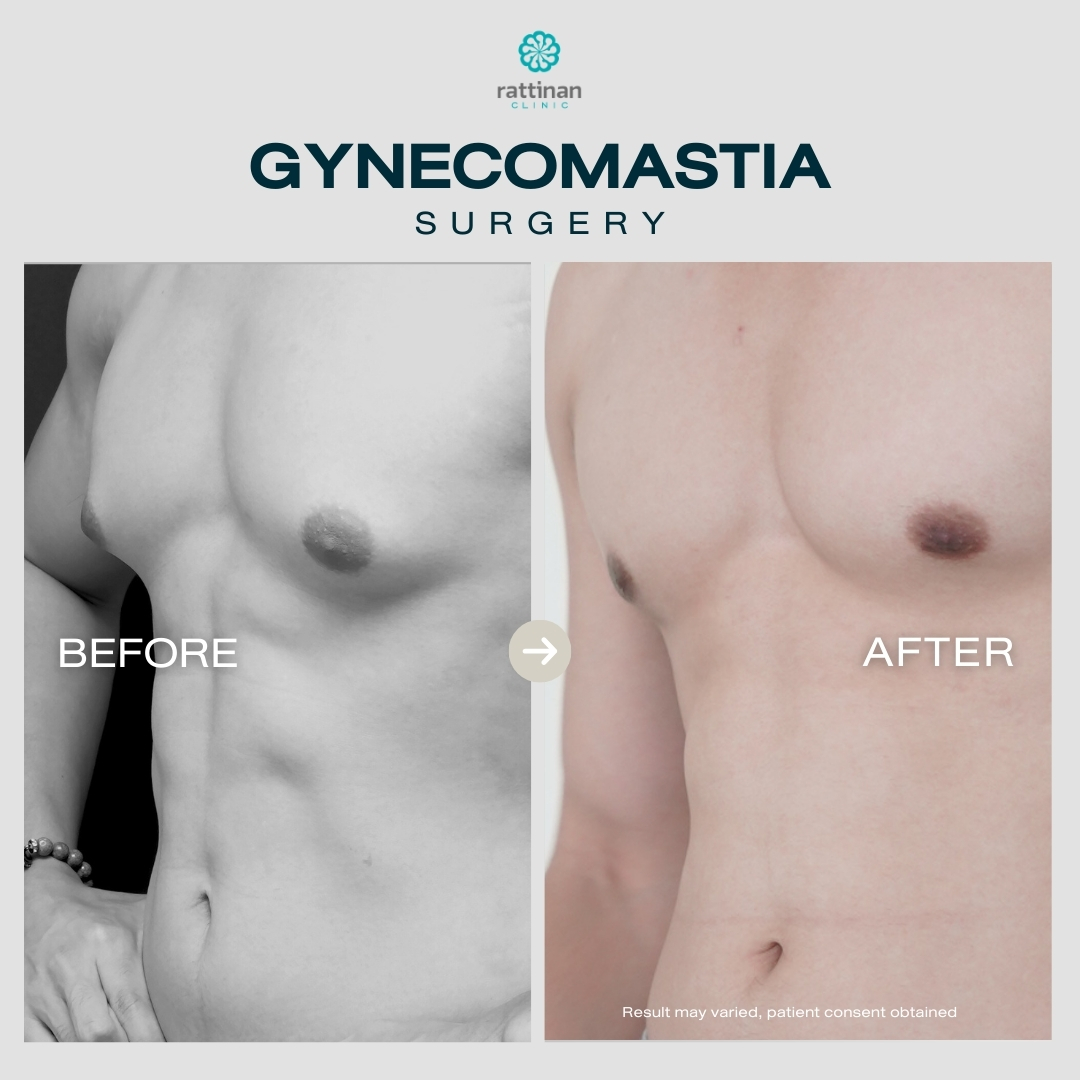
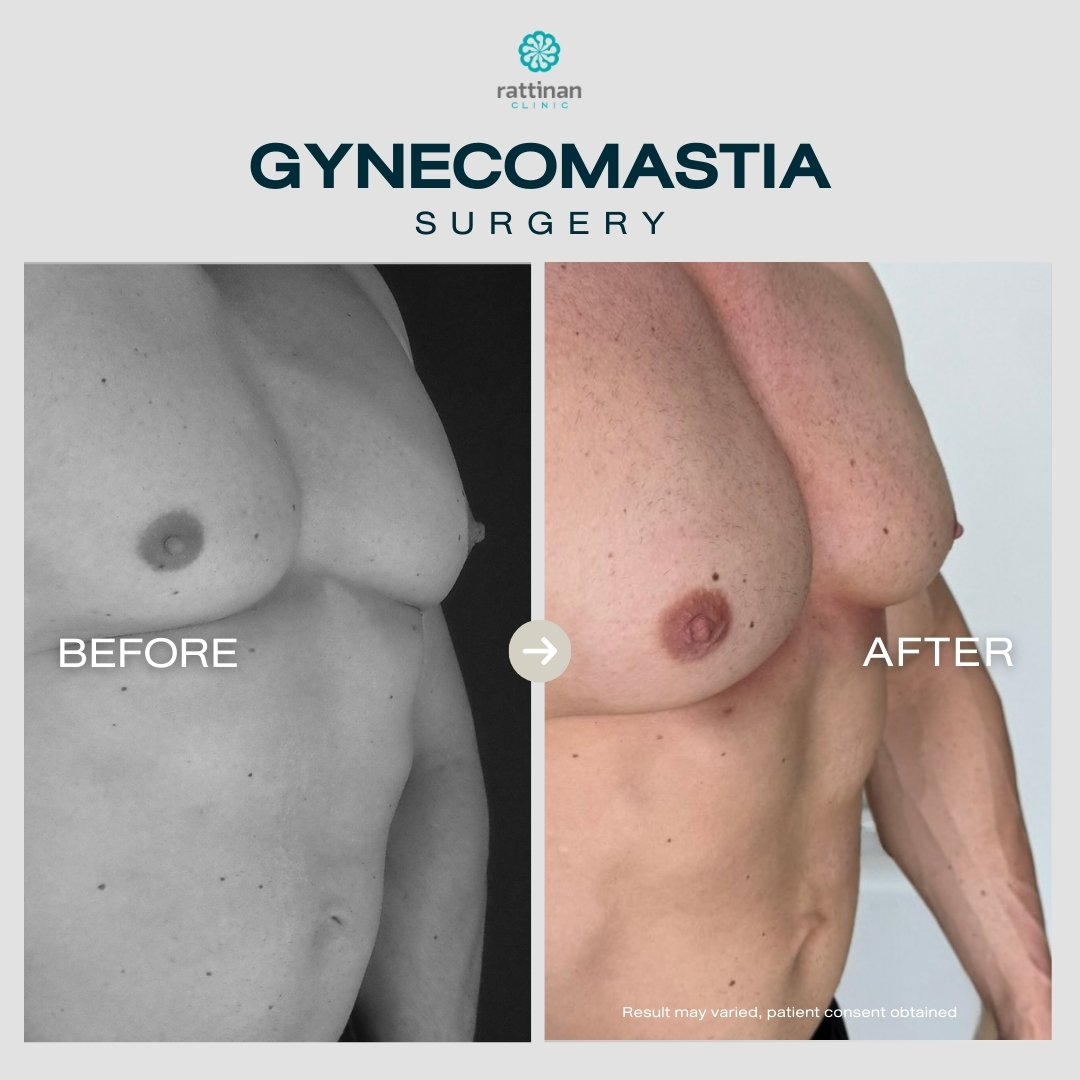
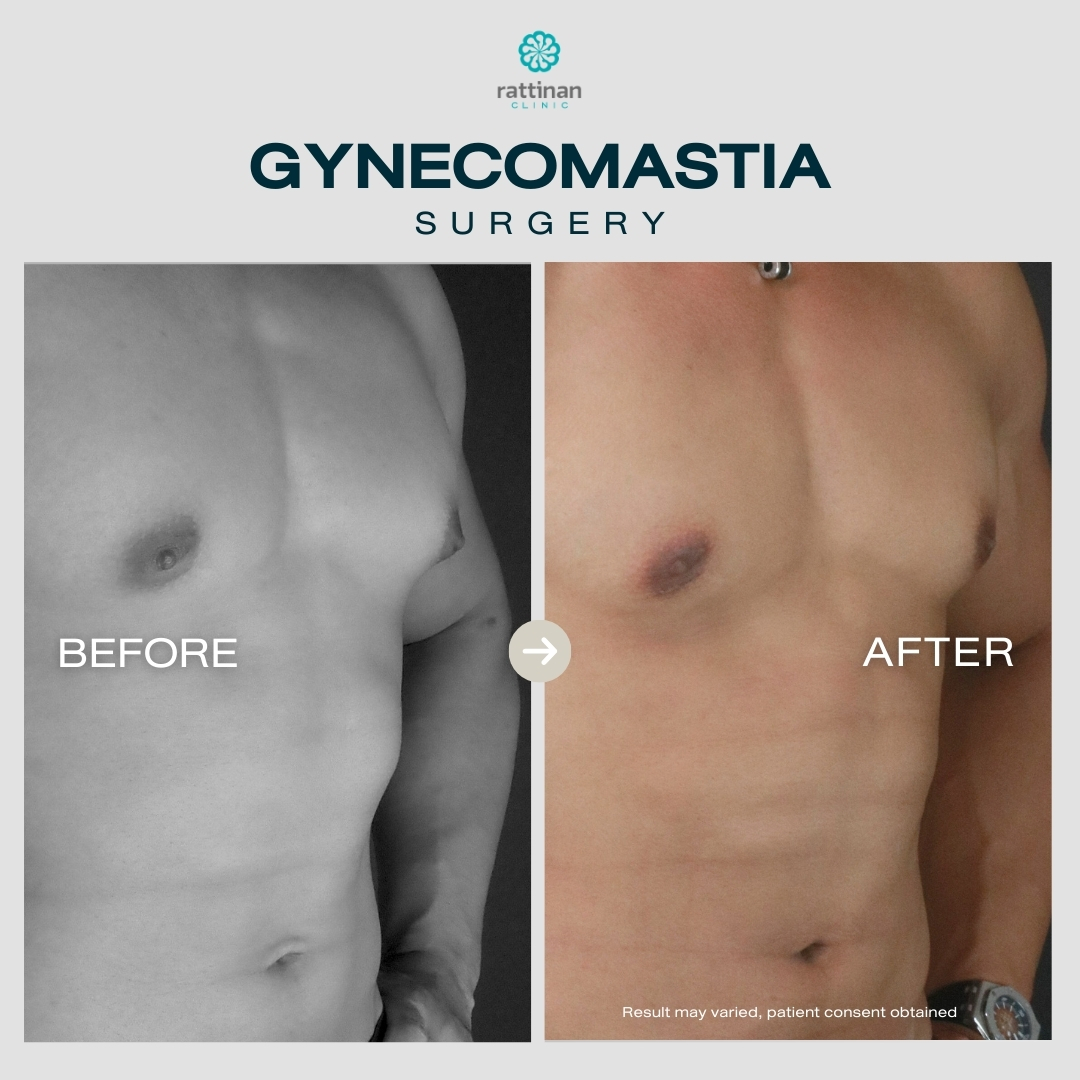
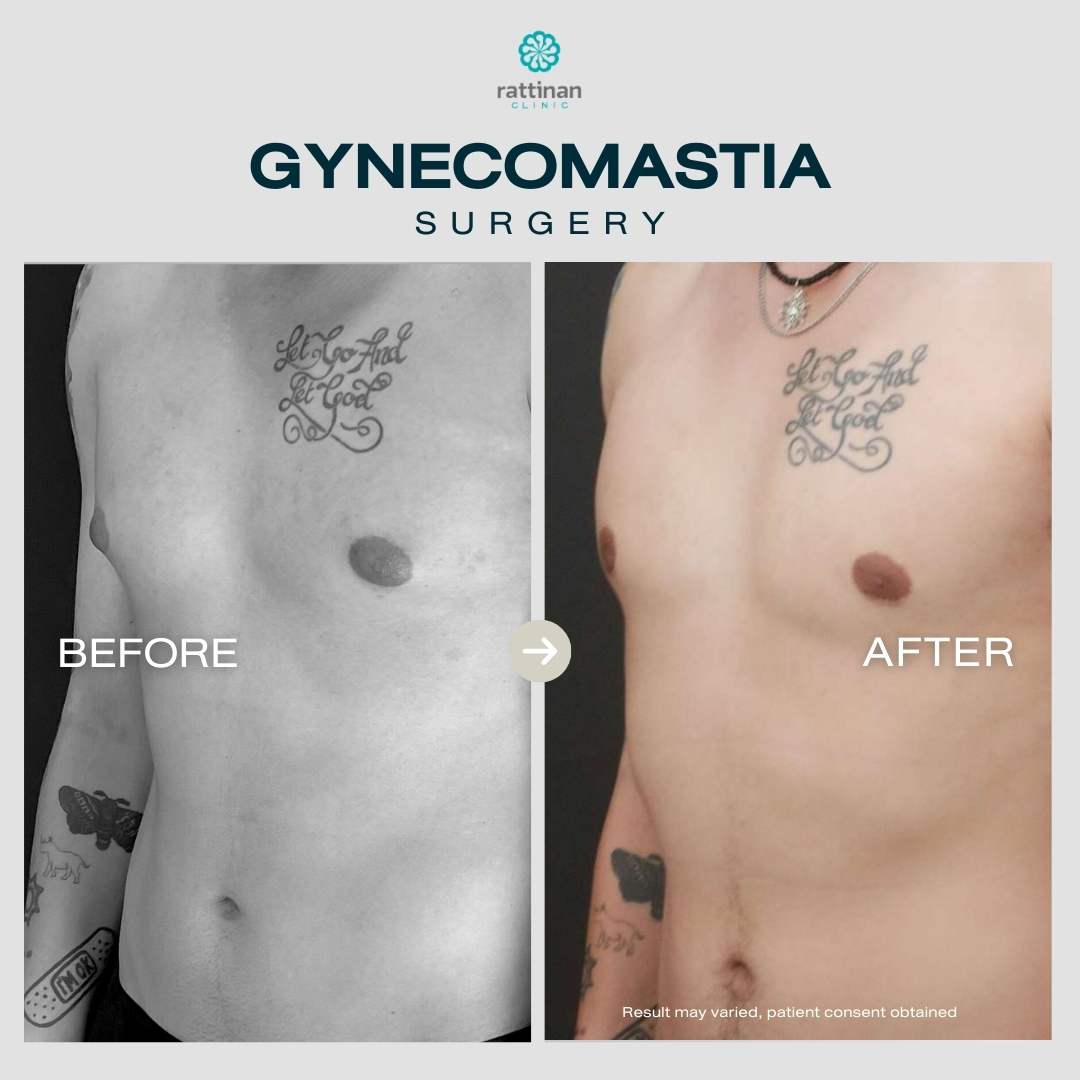
In 2025, Rattinan Clinic helped over 266 patients regain their confidence by treating their Gynecomastia. Our expert surgeons understand that every case has unique causes and goals. This article will guide you through the causes, the best treatment options, and how to choose the right surgeon for your journey.

What Is Gynecomastia? Why Men Should Take It Seriously
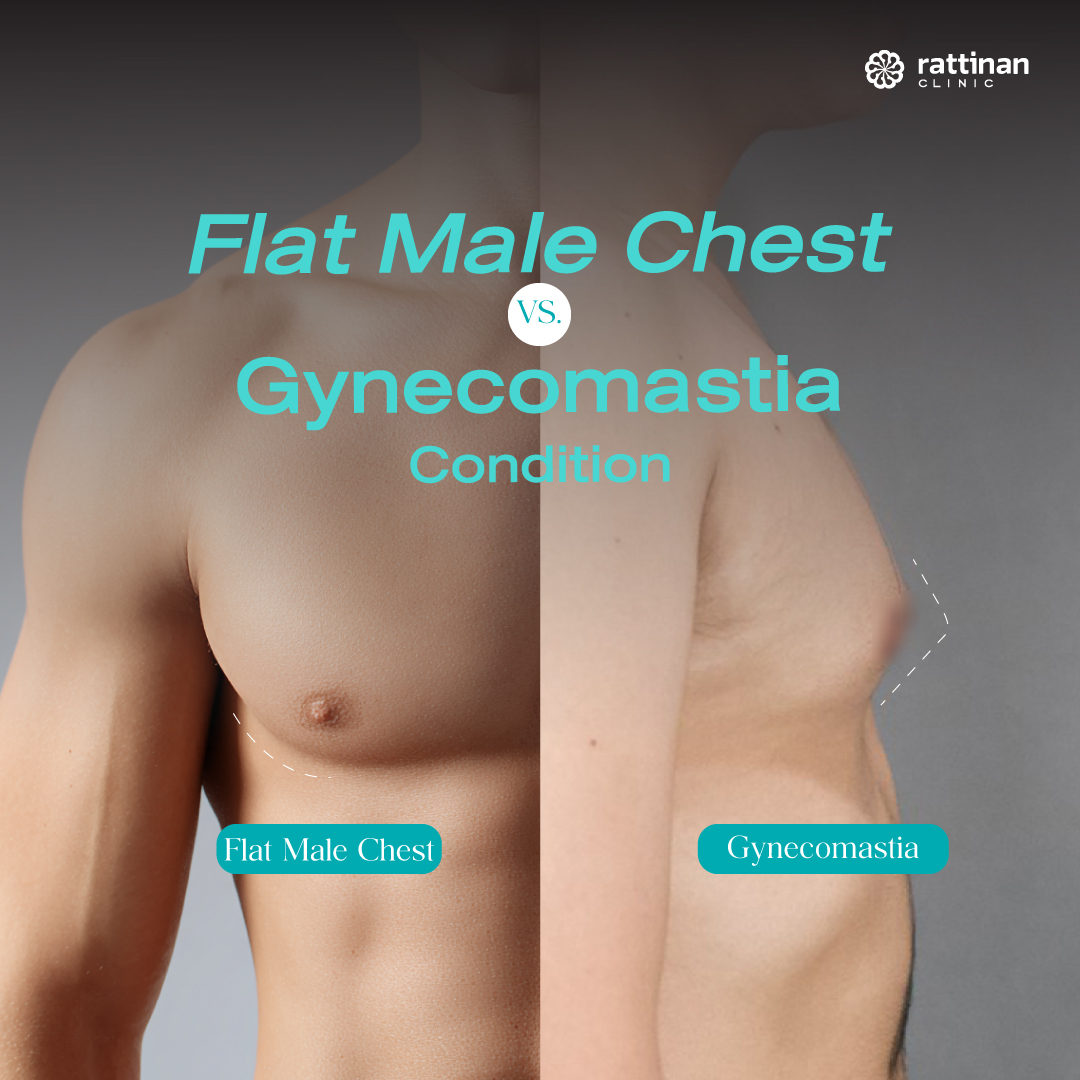
Gynecomastia is a condition where male breast tissue grows abnormally, making the chest look enlarged or “puffy,” sometimes similar to female breasts. This is different from normal fat accumulation and, importantly, cannot be fixed by exercise alone. Medically, it is divided into 2 types. The first one is Pseudogynecomastia caused by fat accumulation. This can be reduced through exercise or liposuction. The second is True Gynecomastia, caused by abnormal breast gland growth, which requires surgery to remove the tissue.
With over a decade of experience, our medical team has found that most patients carry a long-standing emotional burden. It’s the constant worry of wearing a T-shirt and feeling like their chest stands out, leading them to always choose dark colors or oversized clothes. It’s avoiding photos, or the anxiety at the pool or beach, wondering, “What will people think if I take my shirt off?” Many have tried grueling workouts and strict diets, only to find the problem is still there. It is because they didn’t realize the issue wasn’t just fat, but actual breast tissue.
There was one case that made us realize the profound psychological impact of this condition; the patient was mocked for having “breasts like a woman.” This led him to withdraw from social life, avoid fitted shirts, and struggle with low self-esteem for a long time. This is a reminder that leaving the condition untreated doesn’t just allow the tissue to harden over time, but also continues to erode your quality of life and self-confidence.
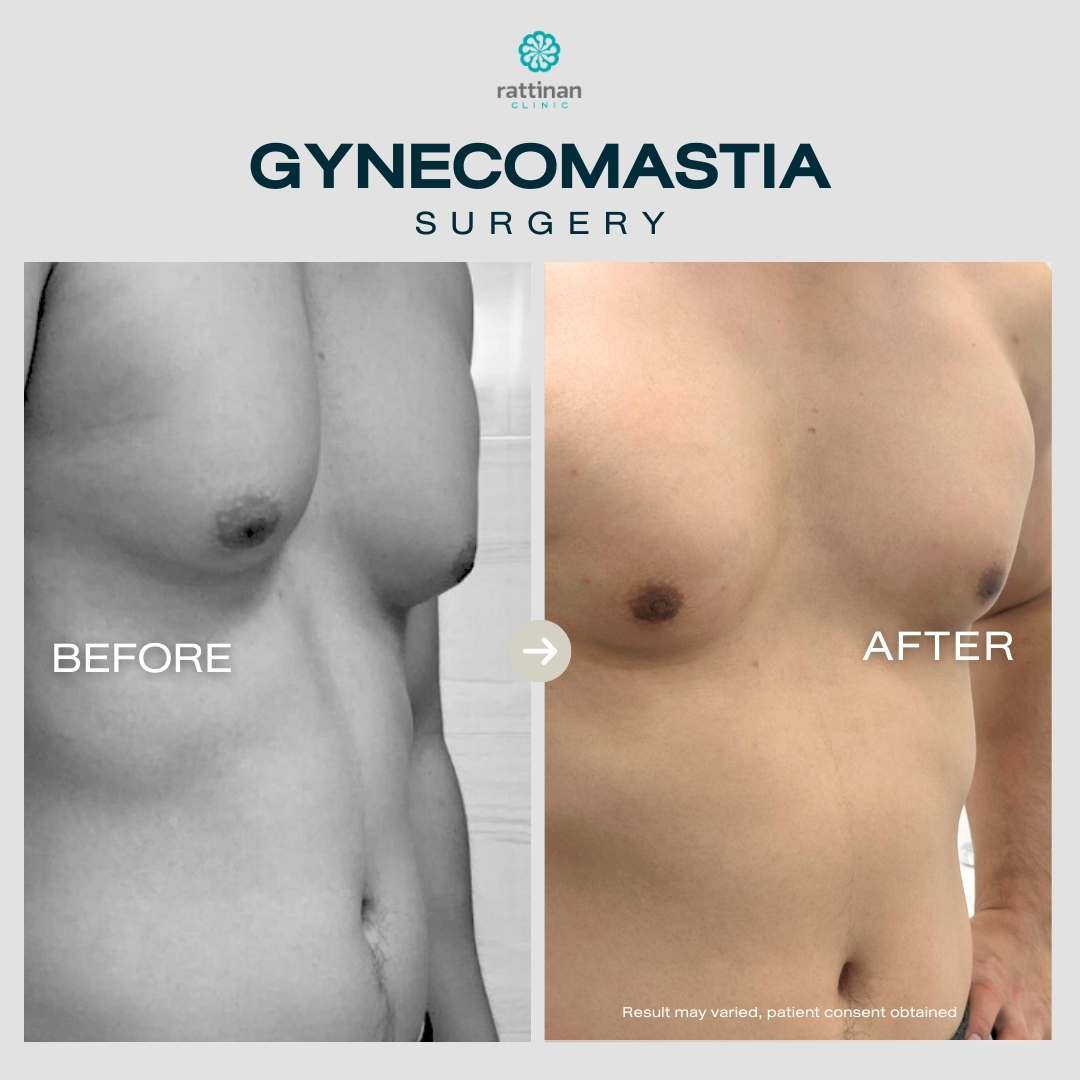
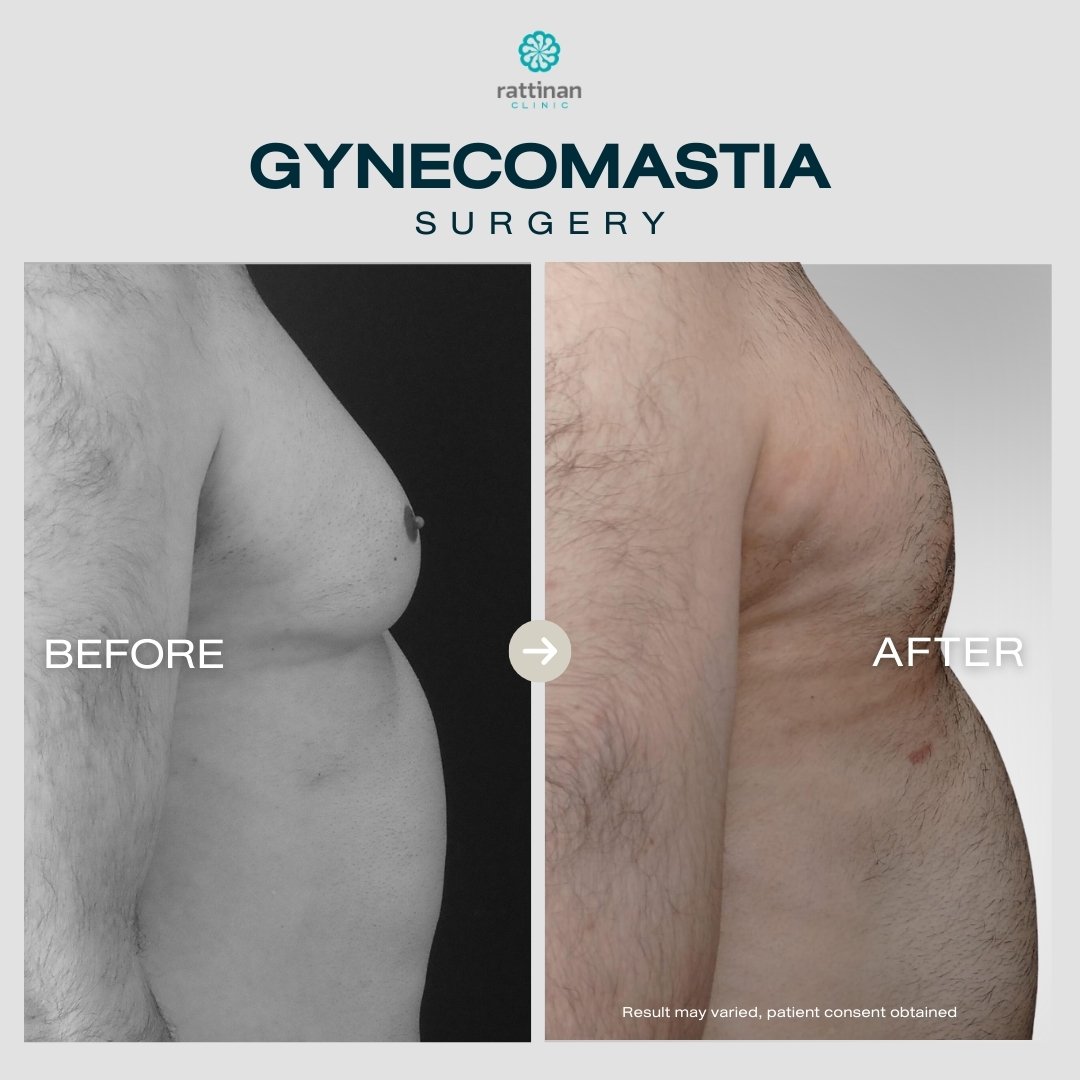
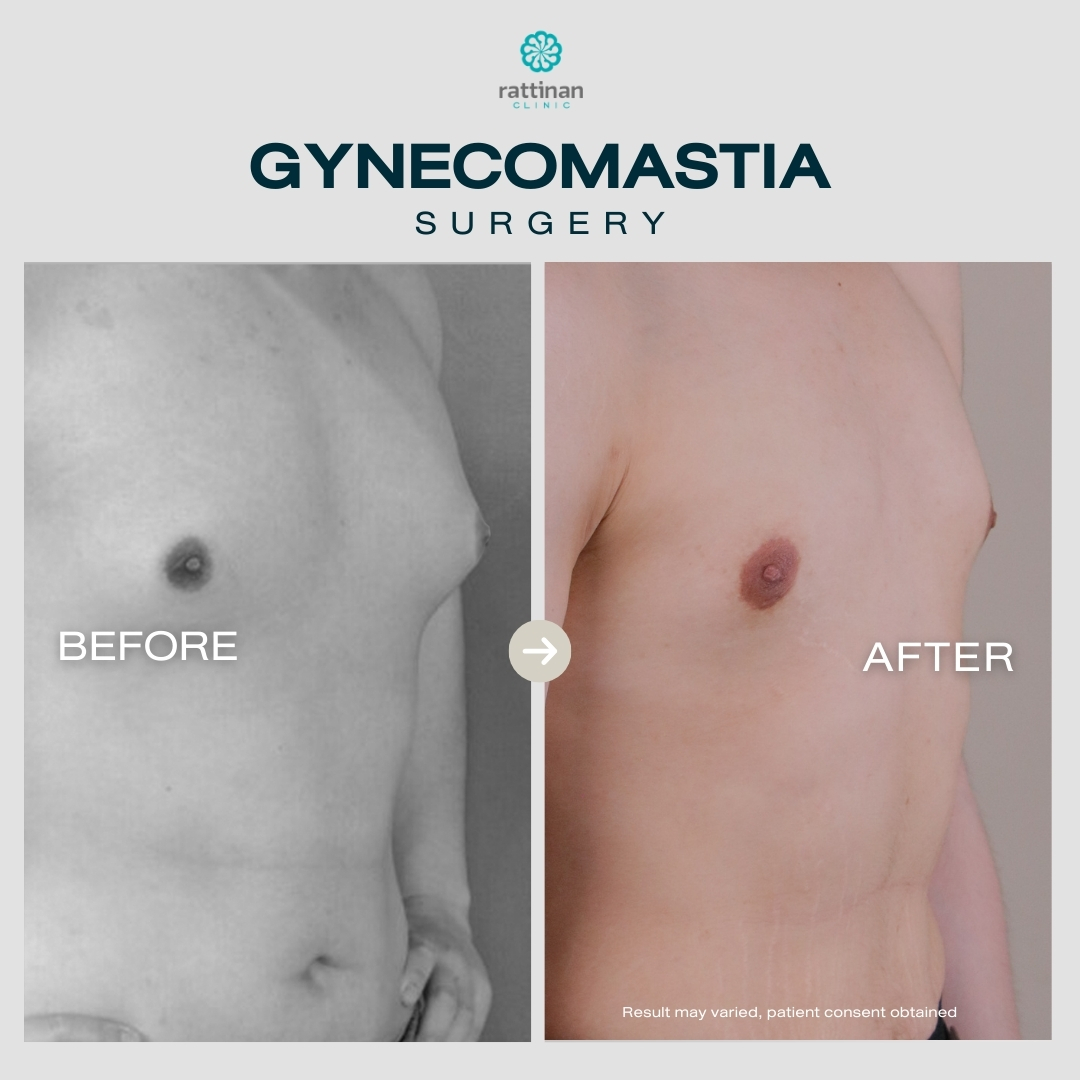
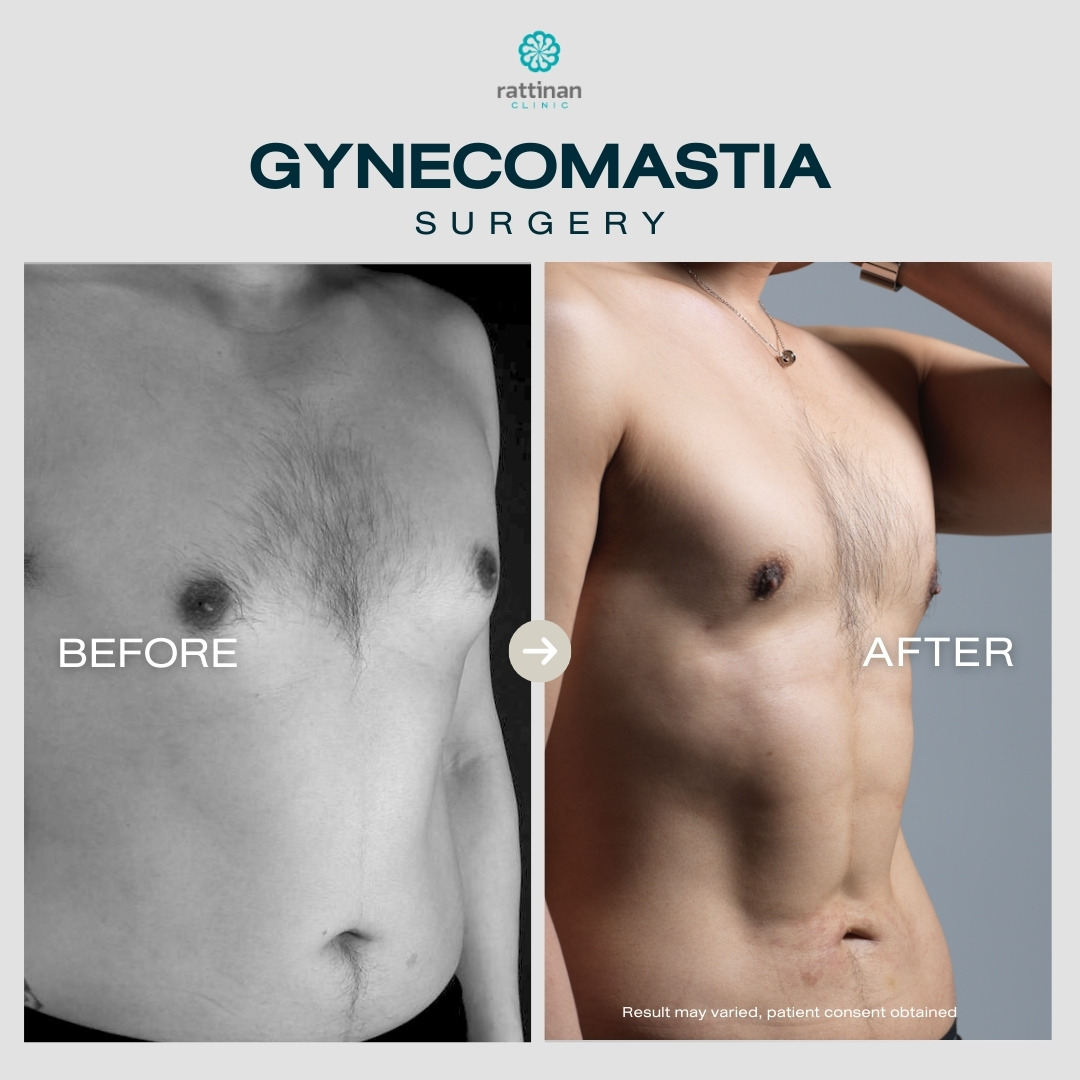
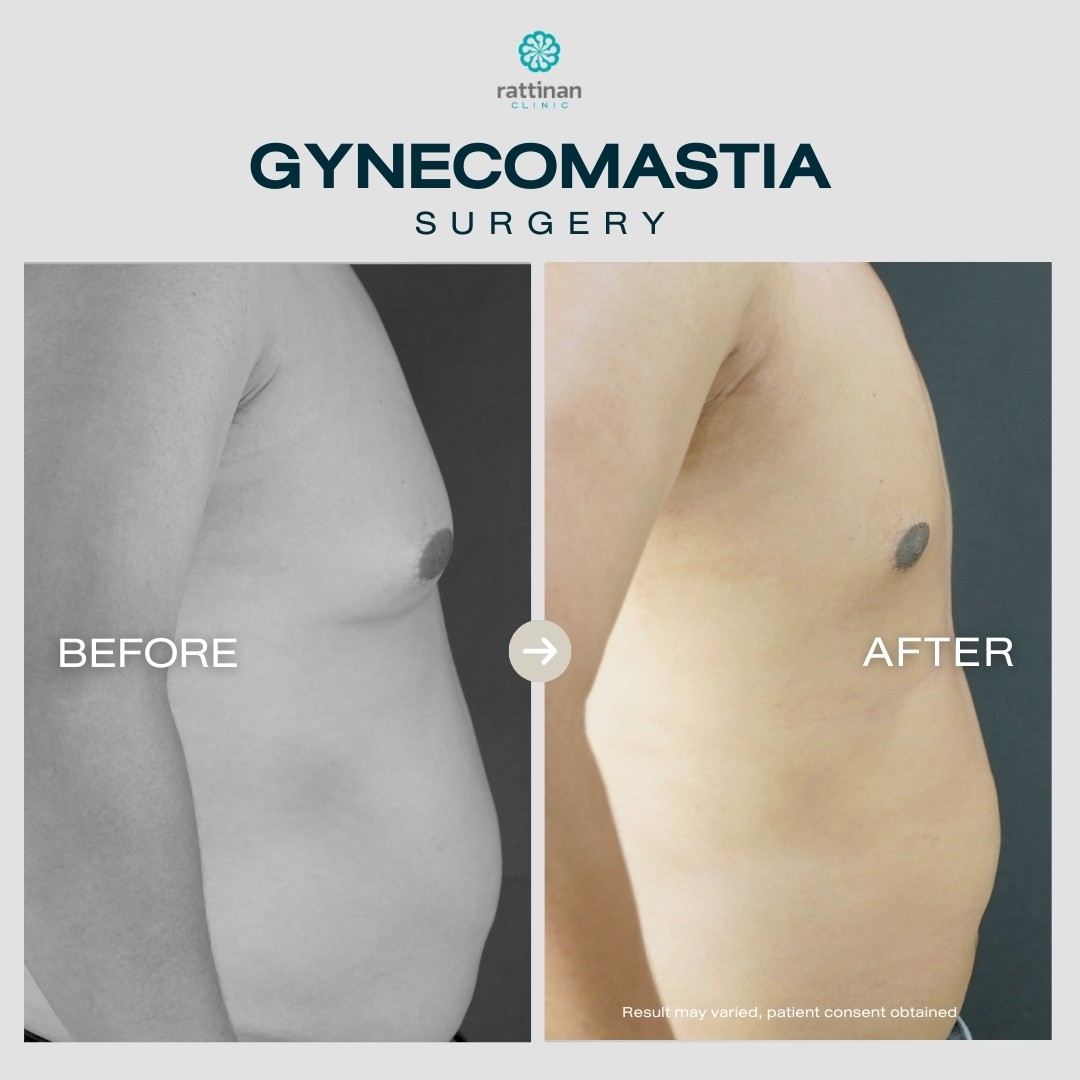
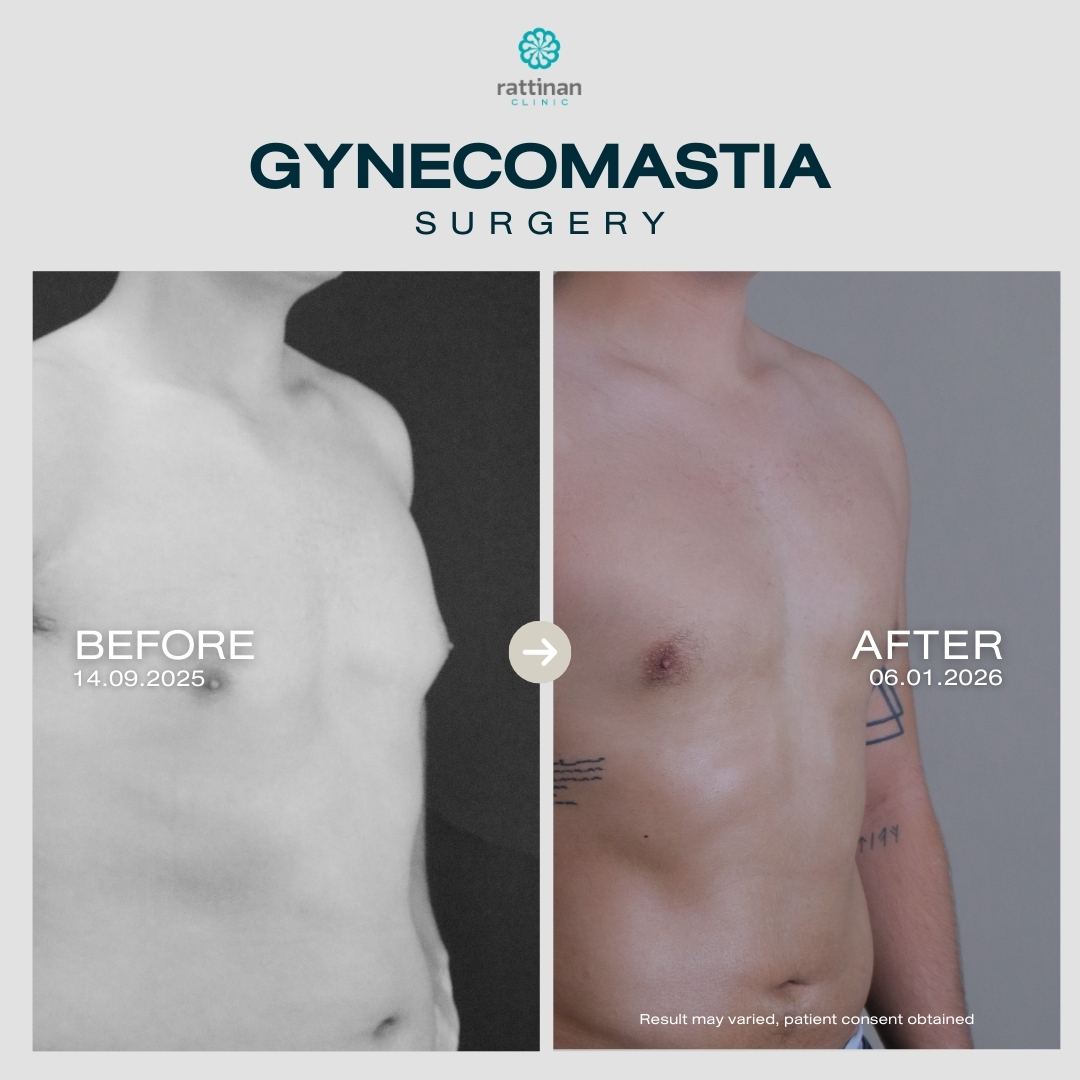
What Are The Symptoms of Gynecomastia?
Gynecomastia, or enlarged male breasts, can be identified by clear changes in the chest’s shape. The most common symptom is a button-sized firm or hardened lump that can be felt under the nipple and may move slightly when touched. The chest may appear swollen, or the nipples may look puffy, making it difficult to achieve a flat look in clothing. This can happen on just one side or both, resulting in asymmetry. In more severe cases, the breast tissue may even begin to sag.
Apart from the physical changes, physical discomfort is also common. Patients, especially teenagers in the early stages, experience breast pain or tenderness in the chest area. This often includes nipple sensitivity or irritation caused by friction against clothing. While these symptoms are usually harmless, they can have a significant impact on a person’s self-confidence and mental well-being.
How to Check for Gynecomastia at Home
You can perform a basic self-check by gently feeling the chest area. If it feels soft and loose like normal body fat with no hard lumps, it is likely Pseudogynecomastia caused by fat accumulation. It can be reduced through exercise or liposuction. However, if you feel a firm lump under the nipple that feels uncomfortable, it is True Gynecomastia caused by abnormal breast tissue growth, which cannot be fixed with exercise and requires surgical removal.
You should consult a doctor immediately if you experience severe pain, swelling, or notice any discharge from the nipples. Other warning signs include a very hard, fixed lump or skin dimpling, as these may indicate conditions that require further diagnosis, such as male breast cancer or an infection.

Types of Gynecomastia
How many types of male breasts are there? Understand the 3 types of Gynecomastia based on their causes. Knowing how to identify the type is important for choosing the right treatment, as the approach for each one is completely different.
True Gynecomastia
The first type is True Gynecomastia, which is caused by the abnormal growth of glandular tissue. When touched, you will feel a firm rubbery lump directly beneath the nipple. While the outer chest may feel soft, there is a solid mass inside. This type cannot be reduced through exercise or diet; it requires surgical excision of the gland to treat this condition.
Pseudogynecomastia
The second type is Pseudogynecomastia, which is caused by fat accumulation. It is commonly found in those who are overweight. When feeling the chest, it will feel soft and loose, with no hard lumps beneath the nipple. The good news is that this type can be reduced through exercise and weight control. Or, it can be treated using liposuction alone.
Mixed Gynecomastia
The third type is Mixed Gynecomastia, which is the most common type found in men. It is caused by a combination of both enlarged glandular tissue and fat accumulation, making the chest appear significantly enlarged and prominent. For the best results, a hybrid treatment approach is necessary. This approach combines liposuction to remove the fat with surgical excision to remove the gland, as addressing only one of these issues will likely leave the problem unresolved.
How severe is Gynecomastia, and how many levels (or grades) is it divided into?

To plan the right treatment, a doctor will assess the severity of Gynecomastia. The condition is categorized into 3–4 levels based on visible physical characteristics, such as chest size, nipple protrusion, and skin laxity. These levels are based on the Simon Classification (1973), a global medical standard. Correct grading is essential because treatment ranges from simple procedures to more complex reconstructive surgery, depending on the severity.
Gynecomastia Grade 1: Small Enlargement with Excess Fat
Grade 1 is the most common level found among teenagers and office workers. It involves a small amount of fatty or glandular tissue pushing the nipple forward, creating what is known as “Puffy Nipples.” The skin remains firm and tight with no sagging.
The condition is most noticeable when wearing fitted shirts or thin t-shirts. From our medical team’s experience, Grade 1 patients often share that they “feel anxious even in a plain white shirt” or “have to wear patterned shirts to hide the protrusion,” which significantly impacts their confidence.
Treatment at this level is relatively simple; the surgeon removes the tissue through a tiny incision along the edge of the areola, leaving a scar that is nearly invisible once healed.
Gynecomastia Grade 2: Moderate Enlargement with No Excess Skin
Grade 2 is characterized by a visible enlargement of the breast, creating a feminine appearance. The tissue extends beyond the border of the areola, and while the skin begins to stretch, it has not yet reached a significant sag. Some patients may also experience pain or sensitivity, especially when the nipples rub against clothing.
At this stage, the breast tissue typically weighs more than 250 grams, which is too much to correct with a single method. Many patients share that they “haven’t dared to visit a pool in years” or “avoid photos because they are afraid of their side profile.”
The psychological impact at this level is increasingly severe. Treatment requires a combination of liposuction and glandular excision to achieve a flat, smooth contour. This is more complex than Grade 1, though skin removal is not yet necessary.
Gynecomastia Grade 3: Significant Enlargement with Excess Skin and Sagging
Grade 3 is a severe stage that significantly impacts quality of life. It is found in men with very large breasts who have both excess skin and noticeable sagging (Ptosis). The nipples may point downward or hang low, closely resembling the appearance of sagging female breasts. In medical terms, Ptosis is measured by the distance between the nipple and the Inframammary Fold (the crease beneath the breast).
In Grade 3, this distance typically exceeds 3 cm. Patients at this level often have a history of significant weight fluctuations or have experienced morbid obesity, which causes the skin to stretch beyond its ability to recover. Many share that they “must wear an undershirt at all times for support” or “suffer from rashes and itching in the skin folds under the chest.” Treatment for this grade is the most complex, as it requires a combination of liposuction, gland excision, and the removal of excess skin.
Some patients might require nipple repositioning to ensure the final appearance looks natural. While some medical standards classify the most severe sagging as Grade 4, the surgical approach is essentially the same as for Grade 3.
What Are the Main Causes of Gynecomastia?
The main cause of Gynecomastia is “hormonal imbalance”, specifically an increase in estrogen or a decrease in testosterone. This can be triggered by several factors, such as natural changes, medication side effects, substance use, or underlying health conditions. Understanding the root cause is essential for choosing the most effective and targeted treatment.
Natural Hormonal Changes
A common cause is age-related hormonal shifts. Men often experience fluctuations that lead to temporary breast enlargement. While most cases resolve naturally within 6 months to 2 years, some may require treatment if the condition remains beyond age 20. Additionally, men over 50 often experience this condition as testosterone levels naturally decline and body fat increases.
Drug and Substance Side Effects
Some medications directly impact hormone levels, especially anabolic steroids used for bodybuilding or athletic performance. It is because the body converts these substances into estrogen. Other contributing medications include treatments for prostate conditions, diuretics (Spironolactone), antidepressants, and certain anti-ulcer drugs.
Additionally, substances such as marijuana, heroin, and amphetamines, as well as regular heavy alcohol consumption, can all interfere with the production of testosterone.
Underlying Health Conditions
Certain medical conditions can affect hormonal balance. These include liver and kidney diseases (such as cirrhosis or chronic kidney failure), which affect hormone metabolism, and Hypogonadism (low testosterone) caused by conditions like Klinefelter syndrome. Other factors include Hyperthyroidism (overactive thyroid) and tumors of the testes, adrenal glands, or pituitary gland. If you have any of these conditions and notice breast enlargement, you should consult a doctor to identify the root cause.
Obesity and Everyday Products
Obesity is a frequently overlooked cause. Beyond simple fat accumulation, fat cells can actually convert testosterone into estrogen, leading to True Gynecomastia (enlarged glandular tissue).
Moreover, certain everyday products may unknowingly affect your hormone levels. In our clinical experience, many patients are unaware that the products they use could be a contributing factor.
Doctor’s Note by SUTHIPONG TREERATANA, M.D.
Tea Tree and Lavender oils, often found in shampoos, soaps, or lotions, possess estrogen-like properties and can inhibit testosterone, potentially triggering breast tissue growth. Similarly, foods high in phytoestrogens, such as soy products, may also play a role. If you have Gynecomastia or are undergoing treatment, our specialists recommend avoiding these products and reviewing your personal care routine to help develop an effective treatment plan.
What Are Treatment Methods for Gynecomastia?
Gynecomastia treatment is categorized into 2 main approaches which are Non-Surgical and Surgical. The appropriate method depends on the underlying cause and the severity of the condition. Understanding your options will help you decide which approach best aligns with your needs and desired results.
- Monitoring and Natural Recovery: Best for teenagers (ages 12–14) experiencing hormonal fluctuations.
- Medication Adjustment: Recommended for those whose symptoms are side effects of medications such as blood pressure drugs, antidepressants, or anabolic steroids.
- Hormone Therapy: Suitable for patients in the early stages, particularly those experiencing pain or tenderness in the breast area.
- Weight Loss and Exercise: Effective for only Pseudogynecomastia (breast enlargement caused by fat accumulation).
- Liposuction: Ideal for patients with fat accumulation (Pseudogynecomastia) or Grade 1-2 cases with minimal skin sagging.
- Glandular Excision (Tissue Removal): Necessary for True Gynecomastia, where there is a firm mass caused by abnormal growth of the glandular tissue.
- Combined Treatment: The most common approach for Mixed Gynecomastia (a combination of fat and glandular tissue). This method uses liposuction to contour and flatten the chest, paired with surgical removal of the gland to prevent nipple protrusion. It offers the best results by addressing both issues simultaneously.
- Skin Excision: Best for severe Grade 3-4 cases with significant sagging similar to female breasts. This may include a Nipple Graft to reposition the nipple for a firmer, more natural look. While this involves longer scarring, it provides a life-changing transformation.
How We Solved the Problem of “Man Boobs” at Rattinan Clinic
A flatter chest is not achieved by removal alone. It requires careful attention to tissue, fat, skin tightness, surface smoothness, and the natural male chest line.
Consultation & Analysis
Your doctor evaluates your chest tissue, fat deposits, skin laxity, asymmetry, and health history to understand the cause of fullness.
Personalized Treatment Plan
Your plan may include glandular tissue removal, MicroAire PAL liposuction, fat equalization, and BodyTite RF skin tightening based on your needs.
Procedure Day
Your procedure is performed with careful contouring, discreet incision planning, and medical support focused on safety and comfort.
Post-Procedure Care
After surgery, you receive nurse-led wound care, a compression garment, online recovery guidance, and follow-up treatments to support healing.

How to Prepare for Your Gynecomastia Treatment at Rattinan Clinic
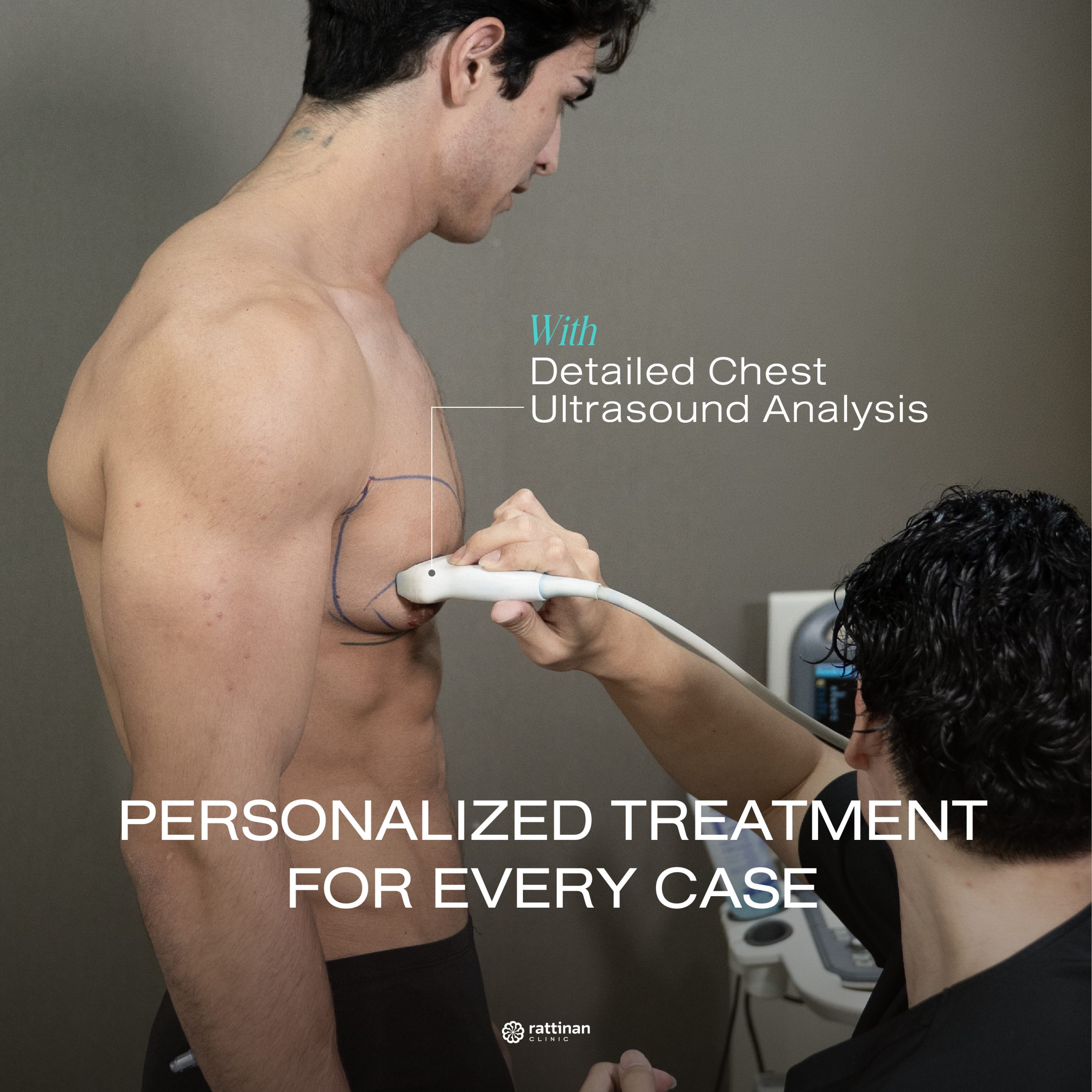
Proper preparation ensures both safety and the best possible results. Before your scheduled treatment date, the doctor will evaluate your physical readiness through a physical examination and an ultrasound. This includes a review of your medication history, hormone level testing, and a cardiac health screening to develop the most appropriate treatment plan for you.
- During the 1–2 weeks before your surgery, you must stop smoking for at least 2 weeks and avoid alcoholic beverages for at least a week, as both significantly impact wound healing. Additionally, you must discontinue aspirin, anticoagulants (blood thinners), Vitamin E, and herbal supplements that may increase the risk of bleeding. Please consult with your doctor before stopping any prescribed medications.
- On the Day of Surgery, if your procedure involves general anesthesia, you must fast (no food or water) for at least 8 hours prior to surgery. However, if you choose local anesthesia, you may eat according to your doctor’s specific instructions. You should shower thoroughly and wear a button-down or zip-front shirt; avoid T-shirts or tops that must be pulled over the head. Make sure to bring your ID card and all relevant medical documents ready. For your safety, we recommend having a companion come with you to assist with your journey home.
How to Manage Your Gynecomastia Self-Care After Treatment at Rattinan Clinic
Self-care after Gynecomastia treatment (whether surgery or liposuction) at Rattinan Clinic is a crucial step for ensuring fast wound healing, minimizing the risk of complications, and achieving a firm, aesthetically pleasing chest shape. Our clinic provides the following guidelines categorized by timeline:
The First 24–48 Hours is the Critical Period
You must wear your compression garment for 24 hours a day during the first 3 days to reduce swelling and control bleeding. (After these initial 3 days, reduce wear to 12 hours daily for a month). Do not remove the compression garment on the first day under any circumstances, as doing so may cause dizziness or fainting. Avoid showering on the first day, but have a sponge bath instead. The clinic will schedule a follow-up appointment the next day to clean the wound and provide detailed instructions on wound care.
During the First Week
Perform wound care every other day. You may remove the Epi-foam after 7 days, and your appointment for suture removal will typically be scheduled around the 7th day. Focus on a high-protein diet (such as chicken breast, boiled eggs, or whey protein) to aid tissue repair. Also, avoid fermented, pickled, raw, or undercooked foods until the wound has fully healed. To minimize swelling, reduce carbs and salty foods for at least 2 weeks. Do not lift your arms high, avoid carrying heavy objects, and continue to refrain from smoking and alcohol consumption for at least 2 to 4 weeks.
During the 2nd – 4th week
Reduce the wear time of your compression garment to 12 hours daily, continuing for a month. Massage is important as it helps prevent the formation of fluid pockets (Seroma). After your sutures are removed, the nursing staff will instruct you on manual massage techniques. Once you reach the 2-week mark, you can begin professional machine-assisted massages at the clinic (recommended once a week). Please continue to avoid strenuous exercise or any heavy impact to the chest area.
Contact a doctor immediately if you experience increasingly severe pain, abnormal swelling or bruising, fever, a rapid pulse, unusual bleeding, difficulty breathing, or fainting spells, as these could be signs of complications that require urgent medical attention.
Gynecomastia Surgery Cost at Rattinan Clinic
Gynecomastia Procedures | Starting Price (THB) |
Gynecomastia Surgery | 120,000 |
Gynecomastia Surgery with General Anesthesia | 150,000 |
What’s included in the price?
- Surgeon consultation and evaluation
- Pre-operative medication set
- Pain relief and anti-inflammatory injections
- Antibiotics, pain medication, and anti-swelling medication set
- Complementary post-procedure meal
- Next-day wound care by a registered nurse
- Suture removal by a registered nurse
- Online nursing support and recovery guidance
- Post-liposuction absorbent pads
- Sterile wound care kit
- Compression garment for Gynecomastia procedure
- Breast tissue pathology examination
- Private lounge for companions
- Anti-swelling light therapy
- Laser treatment for scar pigmentation
- Specialized lymphatic drainage massage with RF and Endermologie
Note
The benefits and care programs included in this package cannot be exchanged for discounts or redeemed for cash.
Frequently Asked Questions about Gynecomastia
Exercising can reduce fat, but it cannot get rid of breast gland tissue. If you have True Gynecomastia (having a firm lump of tissue underneath the nipple), that tissue will remain even if you exercise until you are very lean. The tissue can be visible and look puffy, so surgery is the only way to remove the gland itself.
In some cases, yes. For example, it is very common in teenagers between the ages of 12 and 18, where it typically disappears on its own within 6 months to 2 years. It may also resolve if it was caused by certain medications or alcohol, and you stop using them. However, if you have had the condition for more than 1 or 2 years, or if you are an older adult, the glandular tissue becomes permanent. In these cases, it will not go away on its own and requires surgery to fix.
You can start by feeling the area directly under your nipples. If you feel a firm, button-sized lump, it is likely True Gynecomastia, which usually requires surgery to remove. However, if the area feels soft and has no solid lump, it is likely Pseudogynecomastia, which can often be improved through weight loss and exercise. Another sign is that if you get leaner but your chest still looks puffy, the cause is likely glandular tissue rather than just fat. For the most accurate results, you should get an ultrasound with a doctor.
It is only possible in cases caused by fat accumulation (Pseudogynecomastia). If there is actual glandular tissue (True Gynecomastia), liposuction alone can actually make the chest look pointier than before. This is because liposuction tools cannot remove dense glandular tissue. Since most men have a Mixed Type (both fat and gland), a combination of liposuction and surgical excision is usually required.
The results are usually permanent, but there is a small chance the condition could return if triggered by certain factors. These include significant weight gain, the use of steroids, or medical conditions that cause hormone imbalances. Surgeons do not remove 100% of the gland because doing so could cause the nipple to look dented or deformed. Since a tiny amount of tissue must be left behind, that tissue could grow again in the future.
For liposuction, it may be a tiny incision in the armpit area, less than 1 cm, which is almost invisible once it has fully healed. For a surgical procedure, the incision is made along the bottom edge of the nipple. This method uses the natural change in skin color to hide the scar, making it blend in and become invisible after it heals. In Grade 3 cases where there is a lot of sagging, a longer incision is required. This is necessary to remove the extra skin and ensure the chest becomes flat and firm again.
No, it cannot, especially in cases of True Gynecomastia. Coolsculpting is a technology designed to eliminate fat using cold temperatures, but it cannot remove glandular tissue. If you have True Gynecomastia (having a firm lump), surgery is the only effective solution. Attempting other methods may result in a waste of time and money without producing visible results.
No, they do not work and are not recommended. These often make exaggerated claims, resulting in a waste of both time and money. Even medical-grade cryolipolysis (fat-freezing) devices cannot treat True Gynecomastia. Furthermore, certain herbal ingredients (such as lavender oil and tea tree oil) may actually cause Gynecomastia themselves.
Yes, it is normal and very common. Over 50% of men are likely to experience this condition at some point in their lives, particularly during puberty (ages 12–14, where it often resolves on its own) and in older age (50–80 years). However, if it occurs outside of these age ranges, causes significant pain, involves nipple discharge, or if the lump feels very hard, you should consult a doctor.
Specialized expertise is essential for accurate diagnosis, selecting the right method, and achieving natural-looking results. An experienced surgeon must correctly differentiate between True and Pseudogynecomastia to ensure the right treatment plan. They are skilled at hiding incisions along the edge of the areola while carefully preserving nerves, managing complex cases involving sagging skin, and sculpting the chest to be flat and proportional. Choosing a surgeon with a proven track record reduces the risk of complications and the need for costly revision surgeries.
You may experience numbness in the area at first, but this is usually temporary and will gradually go away. The numbness occurs because the surgical process can affect small blood vessels or tiny nerve endings. As the wound heals and blood circulation returns to normal, sensation will slowly recover. A skilled surgeon will use precise methods to make incisions around the areola, taking great care to avoid damaging major nerves.
The chest will start to look normal and show its true shape in about 1 month. During the first 3 to 4 weeks, the swelling and bruising will gradually fade, and the shape will begin to look well-proportioned. Most people can return to work within 1 to 2 days (as long as the job doesn’t involve heavy lifting). To get the best results, you must wear a compression vest for 24 hours a day during the first 3 days, then continue wearing it for 12 hours a day for a month.
Dr. Suthipong Treeratana is a co-founder of Rattinan Clinic with over 30 years of experience in body contouring and liposuction. He specializes in individually tailored treatment plans designed to achieve results aligned with each patient’s unique anatomy and goals.